Finding a North Carolina CWD Sampling Location
Navigating the ever-evolving landscape of Chronic Wasting Disease (CWD) regulations can feel like trying to hit a moving target, especially when you've just harvested a deer and need to know where to get it tested. The uncertainty about where to go, what to bring, and what the whole process entails adds a layer of stress to an otherwise exciting hunting experience. This guide is designed to demystify the process of finding a North Carolina CWD sampling location, helping you understand your options and fulfill your crucial role in monitoring this disease.
Understanding Why CWD Sampling Matters
For many of us, hunting is more than just a pastime; it's a deep connection to the land and its wildlife. But lately, there's been a cloud hanging over deer hunting, and that cloud is Chronic Wasting Disease. This isn't just a concern for biologists; it's a direct threat to the deer herds we cherish and the hunting heritage we want to pass down. When you harvest a deer, especially in or near a CWD-positive area, getting it sampled isn't just a suggestion; it's a vital contribution to the long-term health of our wildlife.
The Threat of CWD to North Carolina Deer Herds
CWD is a neurological disease that affects cervids, including white-tailed deer, elk, and moose. It's caused by abnormal proteins called prions that slowly damage the brain and nervous system, leading to emaciation, abnormal behavior, loss of bodily functions, and ultimately, death. What makes CWD so insidious is that it's always fatal, there's no cure, and it can persist in the environment for years, making eradication incredibly difficult once it takes hold. The prions can be spread through direct contact between animals or indirectly through contaminated soil, plants, or feed. We've seen the devastating impact it can have in other states, and no one wants to see that happen here in North Carolina. That's why every hunter's participation in monitoring is so critical. Our collective efforts are the first line of defense against widespread transmission.
Your Role as a Hunter in Monitoring the Disease
Hunters are truly the boots on the ground when it comes to wildlife management, and that includes CWD surveillance. Think about it: you're out there, observing the deer herd, and you're the first one to interact with a harvested animal. Your contribution, through CWD testing, provides invaluable data to the North Carolina Wildlife Resources Commission (NCWRC) about where the disease is, how prevalent it is, and if it's spreading. This information is what guides management decisions, special regulations like the New Special Early CWD-Zone Season, and proactive measures to protect the herd. Ignoring the problem won't make it go away; it will only make it harder to manage down the road. Every hunter who submits a sample becomes an integral part of the solution, helping to ensure healthy deer populations for future generations.
Official North Carolina CWD Sampling Locations
When it comes to finding out where to get your deer sampled, the last thing you want is conflicting information or outdated lists. The NCWRC is the definitive source for CWD sampling locations and regulations. They work tirelessly to provide accessible options for hunters across the state, especially within and around the established CWD Management Areas (CMAs). It’s always best to consult their official channels for the most current information, as locations can change based on surveillance needs and logistical considerations.
Utilizing the NCWRC Website and Mobile App
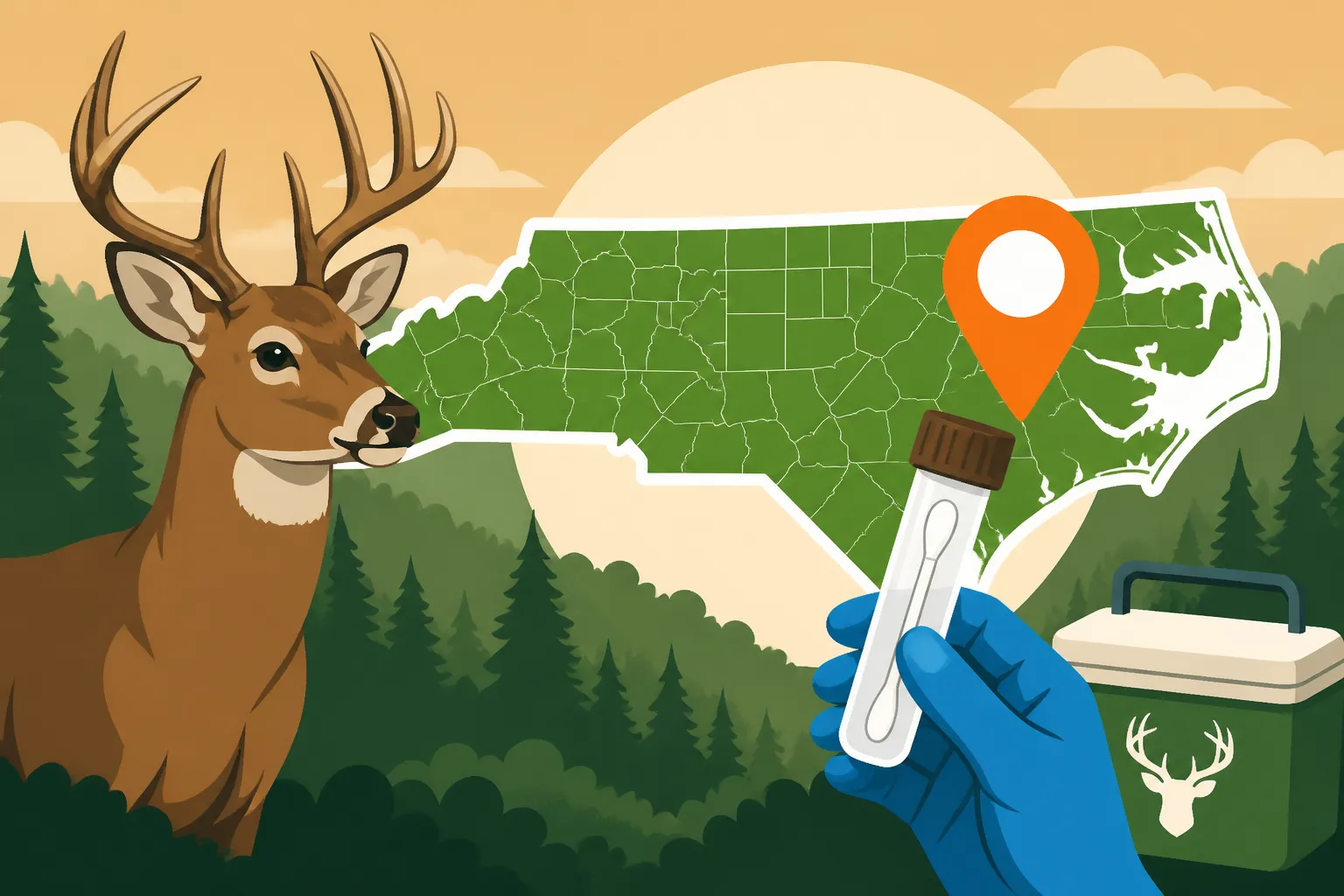
The most reliable, up-to-the-minute information on CWD sampling locations is found directly on the NCWRC's website. They maintain an interactive map and frequently updated lists of drop-off sites, staffed check stations, and participating processors. It's a lifesaver for quickly finding what you need. Many seasoned hunters know that the Scouting With the NC Wildlife App is also an absolute must-have. This app often includes CWD sampling location data, updated in real-time. Before you even head out to hunt, especially if you're venturing into an area that's part of North Carolina's Chronic Wasting Disease Areas or near one of North Carolina's Seven CWD Counties, take a few minutes to check the app or the website. A quick search on your phone can save you a lot of headache later.
For example, if you're hunting in Surry County, which has seen its share of CWD cases, you'd want to use the app to pull up nearby sampling sites. Imagine you've just taken a nice buck in the foothills; knowing the closest drop-off cooler or processor means you can properly plan your retrieve and ensure the sample is submitted promptly. While external tools like GoHunt are fantastic for scouting and understanding terrain features, for specific regulatory information like CWD sampling, the NCWRC’s own resources are paramount.
Types of Sampling Locations Available to Hunters
The NCWRC understands that hunters need flexibility, so they offer several types of sampling locations. This variety helps ensure that no matter where you harvest your deer, there's a convenient option for CWD testing.
- Self-Service Drop-Off Coolers: These are often available 24/7 during deer season. They are typically large, well-marked coolers located at public access points, game lands offices, or other easily accessible sites. You'll find instructions on how to properly collect the lymph node sample (usually from the neck) and place it, along with a completed information card, into a provided bag. These are incredibly convenient for hunters who might finish a hunt late in the evening or on weekends when other facilities are closed. Just make sure to follow the instructions precisely to ensure the sample is viable for testing.
- Staffed Check Stations: During specific, often mandatory, periods—especially during opening weekends or special CWD seasons—the NCWRC might operate staffed check stations. These are invaluable because you can get direct assistance from wildlife biologists or technicians who can help you with the sampling process, answer questions about North Carolina CWD Testing for Hunters, and provide up-to-date information on the disease. These stations are more common in CWD-positive counties or areas with heightened surveillance.
- Participating Deer Processors and Taxidermists: Many local processors and taxidermists partner with the NCWRC to serve as official CWD sampling locations. This is often the most convenient option for hunters who plan to take their deer to a processor anyway. When you drop off your deer, they will handle the sample collection and submission for you. It's a great way to streamline the process. Always confirm beforehand that your chosen processor or taxidermist is a registered CWD sampling partner for the current season.
Here’s a quick overview of what to consider for each type:
| Location Type | Typical Availability | Hunter Action Required | Key Advantage |
|---|---|---|---|
| Self-Service Drop-Off | 24/7 during designated periods | Self-sample, complete form, deposit | Maximum convenience, flexible hours |
| Staffed Check Station | Specific dates/hours, often mandatory | Present deer, staff assists with sampling | Expert assistance, direct info, mandatory compliance |
| Processor/Taxidermist | During business hours | Drop off deer, they sample for you | Streamlined with processing plans |
When you're out hunting, knowing these options can make a big difference. For instance, if you’re Hunting the Rut in the Eastern Zones and planning to take your deer to a local processor, confirm their CWD sampling participation ahead of time. It's all about being prepared.
The CWD Sampling Process Explained
The idea of CWD sampling can sound daunting, but in reality, it's a straightforward process designed to be as easy as possible for hunters. Whether you're doing a self-service drop-off or utilizing a staffed station, understanding the steps will make it a smooth experience.
What to Bring and How to Prepare Your Deer
Before you head to a sampling station, make sure you have everything in order. First and foremost, you need your deer's head. For CWD testing, biologists are primarily interested in the retropharyngeal lymph nodes and obex region of the brainstem, which are located in the head/upper neck area. If you're dropping off the whole deer at a processor, they’ll handle this. But for self-service drop-off coolers, you'll often only need to bring the head, sometimes even just the head and upper neck.
You'll also need some basic information about your harvest:
- Your hunting license number: This connects you to the sample.
- The deer's unique reporting number: After you Reporting a Deer Through North Carolina's App or online, you'll get a confirmation number. Make sure to have this handy, as it links your harvest to the sample.
- Harvest location: The specific county and, if possible, the game land or general area where the deer was taken. This helps NCWRC track the disease geographically.
- Date of harvest: Crucial for data tracking.
It’s a good idea to bring a pen or pencil, and if you’re doing a self-service drop-off, maybe some gloves and a small knife if you’re comfortable taking the sample yourself (though often pre-packaged kits are available). Always refer to the specific instructions provided at the drop-off cooler or by NCWRC staff.
The Actual Sample Collection and Submission
At a staffed check station, a wildlife professional will guide you through the process. They'll ask for your harvest information and then expertly collect the necessary tissue samples. This is a great opportunity to ask any questions you might have about CWD or How Many Deer Have Tested CWD-Positive Since Testing Began.
For self-service drop-off coolers, the process is usually as follows:
- Locate the cooler: Find a clearly marked CWD drop-off cooler.
- Read instructions: There will be detailed instructions posted on or near the cooler. Read them carefully.
- Fill out information card: Complete the provided information card with your contact details, license number, harvest report number, and harvest location.
- Collect sample (if required): If instructed to, you will take the lymph node sample. The instructions typically include diagrams or very clear descriptions of where to cut. This might seem intimidating, but it’s usually simpler than you think. If you're uncomfortable, consider finding a staffed station or processor.
- Place sample and card: Put the collected sample (or the entire deer head if instructed, depending on the station) and the completed information card into the provided plastic bag.
- Seal and deposit: Seal the bag tightly and place it into the designated cooler.
It's crucial to ensure the sample is collected and stored correctly. The integrity of the sample directly impacts whether it can be tested accurately. Keep the head cool and clean until you can get it to a sampling location.
Receiving Your Test Results and Next Steps
Once your sample is submitted, the waiting game begins. The NCWRC aims to process samples as efficiently as possible, but turnaround times can vary depending on the volume of submissions, especially during peak hunting season. Typically, you can expect results within a few weeks. The method of notification usually involves an email or a searchable online portal where you can enter your harvest report number to check the status.
Should your deer test positive for CWD, the NCWRC will contact you directly to discuss the implications and any necessary next steps. They will provide guidance on safe handling and disposal of the carcass. In most cases, if a deer tests positive, consuming the meat is not recommended. This is a crucial aspect of North Carolina Carcass Movement Restrictions and public health guidance. Even if your deer tests negative, always practice safe meat handling and processing. Remember, participating in this process is a testament to your commitment to responsible hunting and wildlife conservation in North Carolina.
Navigating Carcass Movement Restrictions
One of the most confusing and often frustrating aspects of CWD management for hunters is understanding and adhering to carcass movement restrictions. You've successfully harvested a deer, reported it, and now you want to get it home. But if you've been hunting in a CWD Management Area (CMA), there are strict rules about what parts of the deer can leave that area. These rules are in place for a very good reason: to prevent the spread of CWD prions to new areas, and it's essential for every hunter to know them.
Why Carcass Movement is Regulated in CWD Zones
The primary reason for these stringent regulations is to contain the spread of CWD. As mentioned, CWD prions can persist in the environment for a long time, and certain parts of a deer carcass carry a higher risk of containing these infectious prions. Specifically, the brain, spinal cord, lymph nodes, and spleen are considered high-risk materials. If these high-risk parts are transported out of a CWD-positive area and then disposed of carelessly—say, tossed into the woods in another county—they could introduce CWD to a new, previously unaffected area. This is a nightmare scenario for wildlife managers and for hunters alike.
Imagine hunting a beautiful piece of land in the mountains, only to discover later that CWD has appeared there because someone brought an infected carcass part from a CWD county like Surry County and discarded it improperly. That’s why the NCWRC implements these restrictions, even though they can be inconvenient. It’s a necessary sacrifice for the greater good of the herd. These rules apply whether you’re hunting on public lands like Pisgah National Forest Hunting or a private tract.
What You Can and Cannot Move Out of a CWD Management Area
It’s absolutely critical to know what you can legally transport when you’re hunting within a CMA. While the exact rules might have slight nuances, generally, the following applies to deer harvested within a CWD Management Area:
Allowed for Transport Out of a CMA:
- Deboned meat: This is the safest and most recommended way to transport your harvest. All bones, brain, spinal cord, and other high-risk tissues are removed.
- Clean skull plate: A skull plate with antlers, provided all brain and nervous tissue has been thoroughly removed and cleaned. This is typically for taxidermy purposes.
- Cleaned hide: The skin of the deer, with all meat and tissue removed.
- Finished taxidermy products: Once a taxidermist has fully prepared the mount, it's safe to transport.
NOT Allowed for Transport Out of a CMA (High-Risk Parts):
- Whole carcass or any parts with the spinal column or head attached: This means you cannot simply gut your deer and drive it out of the CWD zone to process at home in a non-CWD county.
- Brain, spinal cord, eyes, spleen, lymph nodes: These are the primary prion-carrying tissues and must be left behind or properly disposed of within the CWD Management Area.
This often means that if you harvest a deer in a CMA, you'll need to either field-process it down to deboned meat on-site or take it to a cooperating processor within the CMA who understands and follows the CWD guidelines. This can be a challenge, especially for new hunters or those less familiar with breaking down an animal in the field. But with practice, and perhaps a good game processing knife, it becomes second nature. Understanding these rules is as important as knowing North Carolina Hunter Education Requirements and ensuring you have the correct North Carolina Hunting Licenses and What They Cost.
Responsible Disposal of Carcass Waste
When you field dress or process a deer within a CMA, you'll inevitably have carcass waste, including those high-risk parts. Proper disposal is just as important as the movement restrictions. The goal is to prevent prions from entering the environment where other deer could come into contact with them.
Here are the general guidelines for responsible disposal:
- Leave waste on site: If you field dress your deer on private land within a CMA, you should leave the entrails and other waste at the site of the kill, or at least somewhere on that same property.
- Utilize designated disposal sites: In some CMAs, the NCWRC may establish designated disposal sites or dumpsters specifically for deer carcasses or high-risk parts. Always check the NCWRC website or app for information on these facilities.
- Double bag and landfill: If no other options are available and permitted, double-bagging the high-risk parts and disposing of them in an approved landfill that incinerates waste or otherwise processes it safely can be an option. However, this is generally a last resort and should only be done if specifically authorized by NCWRC.
Never, ever dispose of carcass waste in a way that could expose other deer or wildlife, such as by throwing it into a stream, leaving it near a public trail, or burying it shallowly where scavengers could unearth it. Your diligence in both sampling and proper disposal plays a critical role in slowing the spread of CWD and protecting North Carolina’s valuable deer resource.
Disclaimer
This guide is intended for informational purposes only and should not be considered legal advice. Hunting regulations and CWD management protocols in North Carolina are subject to change. Always consult the official North Carolina Wildlife Resources Commission (NCWRC) website, current hunting regulations digest, or contact the NCWRC directly for the most accurate and up-to-date information before engaging in any hunting activities.