Which County Confirmed North Carolina’s Newest CWD Case
The news of Chronic Wasting Disease (CWD) spreading is always unsettling for us hunters, and it brings a unique set of challenges and concerns. We spend countless hours in the field, pursuing deer, bear, and turkey, and the thought of a disease that could impact the health of our beloved game animals, and potentially our hunting heritage, is a heavy one. Understanding the latest developments and how they affect our hunting seasons and practices is crucial. This guide will walk you through the specifics of North Carolina's most recent CWD detection, what it means for hunters, and how we can all work together to mitigate its spread.
Stokes County: North Carolina's Newest CWD Front
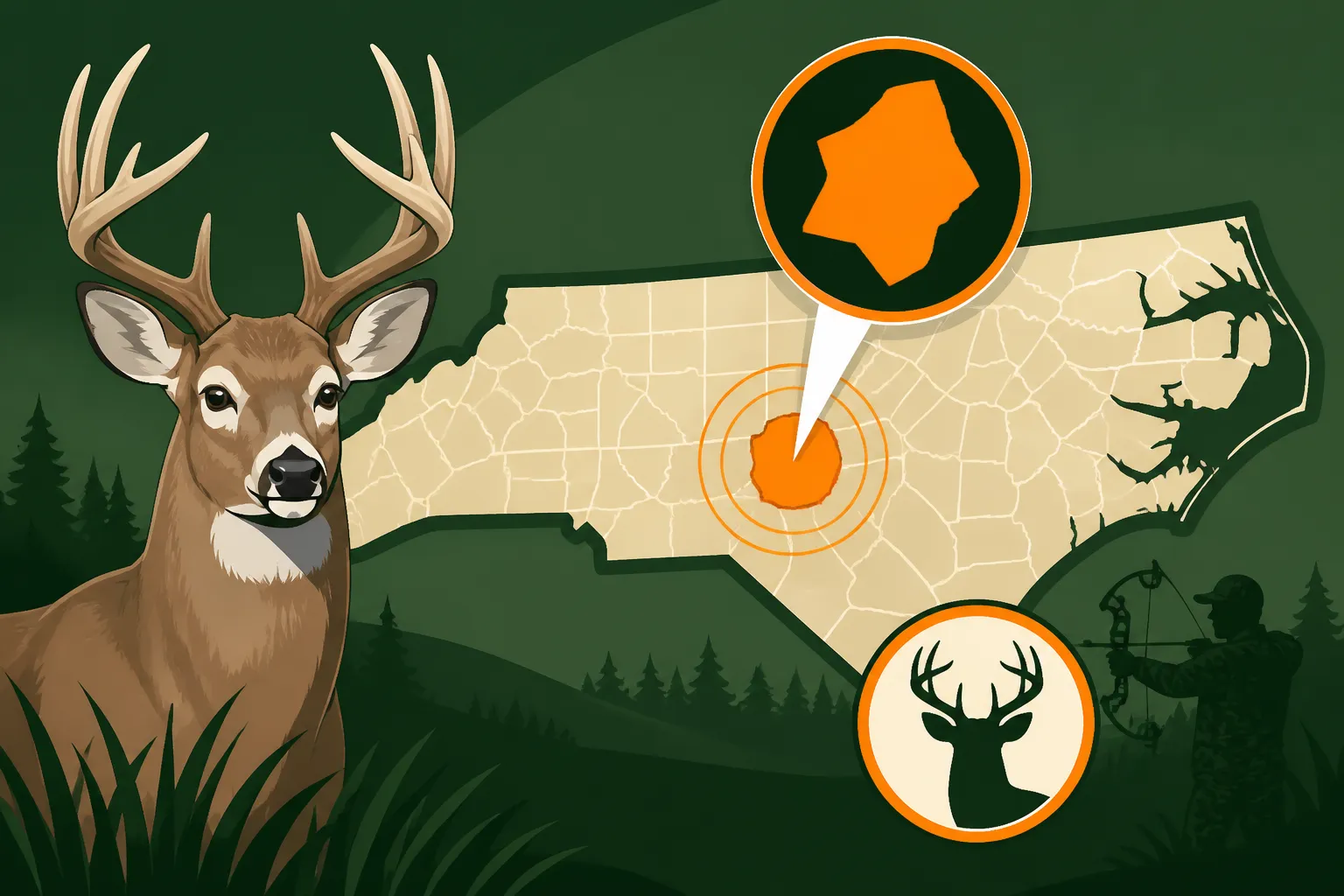
Just when we thought we had a handle on the CWD situation, new developments emerge, reminding us that this is an ongoing challenge. The North Carolina Wildlife Resources Commission (NCWRC) recently confirmed a new positive CWD case from a deer harvested during the 2023-2024 season, officially adding Stokes County to the list of counties within a CWD Management Area (CWDMA). This isn't just another statistic; it's a significant expansion of the known CWD footprint, bringing new regulations and heightened awareness to a fresh area for hunters.
The Impact of the Latest Detection
For hunters in Stokes County and surrounding areas, this confirmation means immediate changes to how we approach deer season. The addition of Stokes County into the CWDMA signifies that stricter protocols, which were previously limited to areas like Yadkin and Surry counties, now apply here. This includes mandatory CWD testing for deer harvested during certain periods, as well as crucial restrictions on how deer carcasses can be transported out of the C affected area. It's a tough pill to swallow because it adds another layer of complexity to our traditional hunting trips, but these measures are put in place with the long-term health of the herd in mind.
Imagine you've just taken down a beautiful buck on your lease in Stokes County. Now, instead of simply heading straight to the processor or your home freezer, you'll need to know the specific CWD testing requirements for that time of year and find a designated sampling station. This might mean an extra stop or two, and a bit more planning, but it's a critical step. The NCWRC has been working hard to expand its network of sampling stations, including self-service drop-off locations, to make this process as convenient as possible. However, the responsibility ultimately falls on us, the hunters, to be informed and compliant. Failing to follow these rules could unintentionally contribute to the spread of CWD, which is the last thing any of us want.
Understanding the Yadkin Valley's CWD History
The story of CWD in North Carolina really began in the Yadkin Valley. The initial detection in Yadkin County in 2022 was a wake-up call, confirming what many state wildlife agencies had feared: CWD had officially arrived in the Tar Heel State. This first case led to the establishment of the state's first CWD Management Area, encompassing Yadkin, Surry, and other surrounding counties deemed at high risk. Understanding how CWD reached the Yadkin Valley is a complex issue, often involving the natural movement of infected deer, but also potentially influenced by human activities such as the movement of live deer or carcass parts.
Since that initial finding, subsequent positive cases have been confirmed in several counties, mostly within or adjacent to the original CWDMA. This gradual expansion paints a picture of a disease that, once established, is incredibly difficult to contain. The efforts to track and monitor CWD, like those outlined in "North Carolina's Chronic Wasting Disease Areas", involve extensive surveillance programs, where harvested deer are tested, particularly in high-risk zones. Each new positive, including the one in Stokes County, reinforces the need for continued vigilance and adaptation from the hunting community. It's a stark reminder that what happens in one county can quickly affect neighboring areas, requiring a collective response from all of us who cherish North Carolina's wildlife.
Navigating the Chronic Wasting Disease Management Area
Hunting within a CWD Management Area (CWDMA) introduces a new layer of rules and responsibilities that can feel overwhelming at first. The primary goal of these regulations is to slow the spread of CWD by limiting contact between deer and preventing the movement of potentially infected carcass parts. It's a lot to keep track of, but the North Carolina Wildlife Resources Commission (NCWRC) provides clear guidelines, and resources are available to help hunters comply.
Mandatory Testing and Surveillance Zones
If you're hunting in a CWDMA county, like Stokes, Yadkin, or Surry, during specific periods of the deer season, mandatory CWD testing of harvested deer is often required. This isn't a suggestion; it's a rule designed to gather crucial data on disease prevalence and track its spread. The specific dates and locations for mandatory testing can vary, so it’s essential to check the latest NCWRC regulations each year before you head out. For instance, sometimes mandatory testing is concentrated during the opening weekends of gun season or during the peak rut period, when hunter harvest is highest, providing the most samples.
The process usually involves taking your harvested deer, or at least its head, to a designated CWD sampling station. These stations are often conveniently located at game lands offices, taxidermists, or butcher shops within or near the CWDMA. Many areas also feature self-service drop-off stations, allowing you to deposit the head with appropriate documentation at any time. When using tools like the NC Wildlife App for "Scouting North Carolina Public Land Before Season" or planning your route, it's a good idea to also locate the nearest CWD sampling station. Hunters using apps like GoHunt can often mark these locations on their maps, ensuring they know exactly where to go after a successful hunt. This proactive approach saves time and ensures compliance.
Strict Carcass Movement Regulations
One of the most critical aspects of hunting in a CWDMA is understanding and adhering to carcass movement restrictions. The rule is simple in principle but crucial in practice: certain parts of a deer harvested in a CWDMA cannot be transported out of that area. This is because CWD prions, the infectious agents, are most concentrated in specific tissues like the brain, spinal cord, and lymph nodes. Moving these parts could inadvertently spread the disease to new, unaffected areas.
Generally, you can transport boned-out meat, capes (without the skull or spinal column), cleaned skulls, and antlers out of a CWDMA. However, whole carcasses, brain matter, spinal columns, and other high-risk tissues must remain within the CWDMA or be properly disposed of there. This means if you harvest a deer in Stokes County and live in Guilford County, you can't just throw the whole deer in the back of your truck and drive home. You'll need to field dress and process it sufficiently within the CWDMA to remove the restricted parts. Many hunters are now learning to do basic butchering at camp or roadside cleaning stations, a skill that's becoming increasingly necessary. You can find detailed information on these specific rules in resources like "North Carolina Carcass Movement Restrictions". It might seem inconvenient, but these steps are vital for managing CWD.
Planning Your Hunt in a CWD County
Hunting in a CWD-affected county means adding a few extra steps to your usual planning process, but it shouldn't deter you from enjoying your time afield. First, always consult the most current NCWRC regulations for the specific county you plan to hunt. These rules can be updated annually, or even within a season, based on new data. Second, identify CWD sampling stations and processing facilities within the CWDMA before you hunt. Knowing your options beforehand will prevent last-minute scrambling.
Consider packing extra supplies for field dressing and basic carcass breakdown if you plan to hunt outside your home county. This might include a sharper knife, game bags, and perhaps a small tarp for a cleaner working surface. For those who travel to hunt, choosing a processor within the CWDMA can simplify things, as they are equipped to handle the restricted materials. Even if you're hunting deer in the Western Zone where CWD hasn't yet been detected, understanding these protocols is beneficial for any North Carolina hunter. Apps like GoHunt, which provide detailed mapping and information, can be invaluable for finding public land access and understanding local regulations, helping you visualize these new constraints in the field.
Your Role in Protecting North Carolina's Deer Herd
As hunters, we are often the first line of defense and observation for wildlife health. When it comes to CWD, our actions directly impact the success of containment efforts and the future health of North Carolina's deer herd. This isn't just about following rules; it's about being informed, responsible stewards of our natural resources.
Utilizing Available Resources for CWD Information
The NCWRC is the primary source for accurate and up-to-date CWD information. Their website is a treasure trove of knowledge, detailing "North Carolina's Chronic Wasting Disease Areas", "North Carolina CWD Testing for Hunters", and specific dates for mandatory testing. They also provide maps of CWDMA boundaries and sampling station locations. Beyond the official channels, many local hunting clubs and wildlife organizations also offer CWD workshops and informational sessions, which can be incredibly helpful for understanding the nuances of the regulations in your specific area.
Using modern technology, like the NC Wildlife App, is also highly recommended. This app often includes interactive maps showing CWDMA boundaries and points of interest for hunters, including sampling stations. By regularly checking these resources, you can ensure you're always operating with the most current information, which is critical in a dynamic situation like CWD management. Think of it as part of your preseason scouting, just as vital as understanding the "North Carolina Deer Season Structure Explained" or knowing where to find late-season food sources for North Carolina whitetails.
Best Practices for Hunters Beyond the Rules
While following mandatory regulations is non-negotiable, there are additional best practices we can adopt as hunters to further minimize CWD risks.
- Report Sick Deer: If you observe a deer that appears emaciated, is behaving abnormally (e.g., staggering, excessive drooling, lack of fear of humans), or shows other signs of illness, report it immediately to the NCWRC. These could be symptoms of CWD or other diseases like EHD.
- Dispose of Carcass Waste Properly: Even outside of a CWDMA, it’s a good practice to dispose of all carcass waste in a landfill or bury it deeply on the property where the animal was harvested. Avoid dumping carcasses in open fields or near water sources, as this could potentially concentrate prions in the environment if CWD were present.
- Clean Your Gear: After hunting, especially in a CWDMA, thoroughly clean all your equipment, including knives, saws, and vehicles. While CWD transmission from environmental contamination to deer is not fully understood, reducing potential prion transfer is a sensible precaution.
- Support Research and Management: Stay informed about CWD research and support efforts by wildlife agencies to manage the disease. Our collective engagement is key to finding long-term solutions.
By taking these steps, both regulatory and voluntary, we contribute significantly to the health and sustainability of North Carolina’s white-tailed deer herd. It's a challenging time for deer hunting in some areas, but by working together, we can adapt and ensure that future generations can enjoy the rich hunting traditions we cherish.
North Carolina CWD Management Area Counties & Key Regulations
This table summarizes the counties currently designated within North Carolina's CWD Management Area (CWDMA) and the general regulations that apply. Please always check the official North Carolina Wildlife Resources Commission (NCWRC) website for the most current and specific details, as rules can change.
| CWD Management Area County | Mandatory Testing | Carcass Movement Restrictions | General Impact on Hunters |
|---|---|---|---|
| Yadkin County | Yes (seasonal) | Yes | Increased vigilance, planning for testing/disposal |
| Surry County | Yes (seasonal) | Yes | Same as Yadkin, high traffic area for hunters |
| Stokes County | Yes (seasonal) | Yes | Newest addition, requiring immediate adaptation |
| Allegany County | Surveillance | Yes | Monitoring efforts, high potential for future CWDMA status |
| Davie County | Surveillance | Yes | Monitoring efforts, adjacent to confirmed cases |
| Forsyth County | Surveillance | Yes | Monitoring efforts, near initial detection |
| Guilford County | Surveillance | Yes | Monitoring efforts, near initial detection |
| Iredell County | Surveillance | Yes | Monitoring efforts, near initial detection |
| Rockingham County | Surveillance | Yes | Monitoring efforts, adjacent to confirmed cases |
| Wilkes County | Surveillance | Yes | Monitoring efforts, near initial detection |
| Watauga County | Surveillance | Yes | Monitoring efforts, adjacent to confirmed cases |
Note: "Mandatory Testing (seasonal)" typically means testing is required for all harvested deer during specific dates, usually the peak of gun season. "Surveillance" counties may have voluntary testing opportunities or specific areas where mandatory testing applies, but general carcass movement restrictions usually still apply to prevent spread. Always verify specific dates and locations with the NCWRC.
Disclaimer
The information provided in this guide is intended for educational and informational purposes only and is subject to change. Hunting regulations, seasons, and CWD management protocols are determined by the North Carolina Wildlife Resources Commission (NCWRC) and can be updated periodically. It is the responsibility of every hunter to consult the most current official NCWRC regulations and guidelines before participating in any hunting activity. Failure to comply with state hunting laws and CWD regulations may result in penalties. Always prioritize safety and ethical hunting practices.