North Carolina Blaze Orange Requirements
There's nothing quite like the crisp air of a North Carolina morning in the woods, the promise of a successful hunt lingering in the quiet. But before you even think about climbing into your stand or still-hunting a ridge, there’s a crucial safety element that often causes confusion: blaze orange requirements. It can feel like a moving target – is it just for gun season? How much do you really need? This guide is here to untangle all those rules and ensure you're not only legal but, more importantly, safe out there.
The Core Blaze Orange Rules in North Carolina
Navigating the various hunting seasons in North Carolina means staying on top of the rules, and blaze orange is a big one for hunter safety. It’s not just about avoiding a fine; it’s about making sure every hunter comes home safely. The North Carolina Wildlife Resources Commission (NCWRC) has clear guidelines, but the nuances can sometimes be tricky, especially with different weapon types and game species.
General Requirements for Big Game Hunters
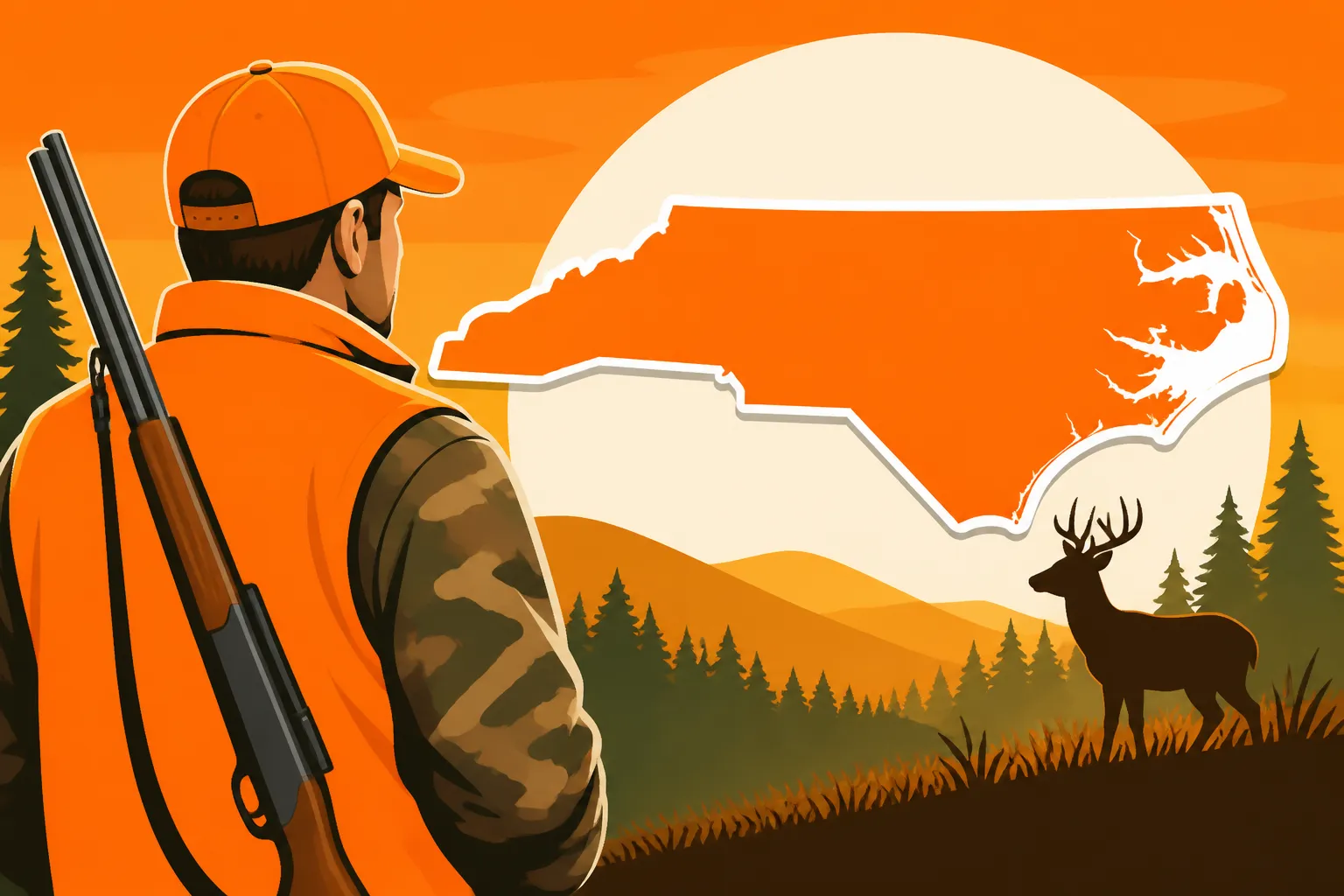
Let's cut right to the chase for the majority of deer hunters. If you are hunting deer with a firearm, whether it's during the dedicated muzzleloader season or the general gun season, you must wear hunter orange. This isn't just a suggestion; it's a hard and fast rule designed to prevent tragic accidents. The regulation specifies that the blaze orange must be worn as an outer garment and be visible from all sides.
Now, here's where it often trips people up: North Carolina doesn't specify a minimum number of square inches of blaze orange, unlike some other states. Instead, the emphasis is on visibility. This means a blaze orange hat is generally considered sufficient if it's truly visible from all directions. However, most seasoned hunters will tell you that relying solely on a hat is cutting it close. Think about walking through thick brush or sitting in a stand – branches can easily obscure a hat. A full vest or jacket provides much better coverage and peace of mind. The whole point is to make yourself easily identifiable as a human hunter, not a deer or another game animal, especially when other hunters might be moving through the woods. This is particularly vital on public lands where hunting pressure can be higher, and you might encounter folks you didn't even know were in the area.
Exceptions and Specific Hunting Scenarios
While blaze orange is non-negotiable for gun deer season, it's not universally required for all hunting in North Carolina, and understanding these exceptions is just as important as knowing the requirements. The primary seasons where blaze orange is not mandated are archery-only seasons, turkey season, and waterfowl hunting.
For archery season, when firearms are explicitly prohibited, hunters can wear camouflage or other non-orange clothing. This makes sense, as bowhunting often relies on stealth and concealment to get close to game. However, a critical caveat exists: if you are bowhunting during a gun season where firearms are also allowed, you still need to wear blaze orange. This often happens during overlap periods, or if you're hunting on private land where a landowner might allow both weapon types. For instance, during the early portion of the deer season, you might be bowhunting while others are using muzzleloaders. In such a scenario, safety dictates that you adhere to the blaze orange rule.
Turkey hunting, with its emphasis on calling and sitting still, also allows for full camouflage. The last thing you want to do is alert a wary gobbler to your presence with a bright orange vest. Similarly, waterfowl hunters, often concealed in blinds or natural cover, do not need blaze orange. Their focus is on blending in with the environment to attract ducks and geese. Small game hunters, such as those pursuing squirrels or rabbits, also typically do not have a mandatory blaze orange requirement unless they are also participating in or accompanying someone participating in a firearm deer hunt. It’s a lot to keep track of, but the core principle remains: if firearms capable of harvesting deer are allowed, be visible. For detailed season specifics, apps like GoHunt can be incredibly helpful for quickly checking regulations for your target species and location.
Understanding the "Visible From All Sides" Rule
The North Carolina Wildlife Resources Commission's rule about blaze orange being "visible from all sides" is simple in concept but can be surprisingly complex to implement effectively in the field. It’s not just about wearing orange; it's about wearing it in a way that truly maximizes your visibility from any angle, especially to another hunter.
Practical Application in the Field
Imagine you’re sitting against a large oak tree on a ridge, perfectly camouflaged from the front, but your blaze orange vest is bunched up or obscured by your pack. Or perhaps you're still-hunting through dense pine thickets, and your orange hat is frequently hidden by branches. In these common scenarios, while you might be wearing blaze orange, it's not truly visible from all sides, creating a potential safety hazard. The intent of the law is to ensure that another hunter, approaching from any direction, can clearly identify you as a human, reducing the risk of a misidentification or accidental discharge.
To practically apply this rule, consider your hunting style. If you're stationary in a treestand, make sure your vest or jacket isn't obstructed by the stand's railing, your backpack, or the tree trunk itself. If you're still-hunting, particularly in thick cover like the pocosin swamps or even denser sections of Nantahala Forest, choose a garment that offers broad coverage, like a full vest or a brightly colored jacket, rather than just a hat. Some hunters even wear an orange cap and a vest to double up on visibility, especially when deer drives on public land are common, increasing the chances of encountering other hunters. Using a GPS hunting app like GoHunt can also help you see public land boundaries and estimate where other hunters might be, encouraging extra vigilance with your blaze orange. Remember, while a hat might be technically sufficient by law, a vest or jacket offers a much larger, unmistakable target for another hunter to see.
Clothing Options and Coverage
When it comes to blaze orange (or blaze pink, which is also legal in North Carolina), you have several options, each with its pros and cons in terms of coverage and comfort. The most common choices are vests, hats, and full jackets.
A simple blaze orange hat is the bare minimum and often the most convenient. It's lightweight, easy to throw on, and typically sufficient to meet the "visible from all sides" requirement in open timber or if you're otherwise very exposed. However, as discussed, its small surface area can be easily obscured, especially when bending over or moving through thick brush. Many hunters choose a hat in combination with another piece of orange.
Blaze orange vests offer significantly more coverage, typically covering your torso from front to back and sides. These are highly popular because they can be worn over any other hunting clothes, adapting to varying temperatures. They come in various materials, from lightweight mesh for warm early season hunts to insulated versions for colder days in the Western Zone. A well-fitting vest should not bunch up excessively, ensuring it remains visible.
Full blaze orange jackets provide the maximum coverage and are ideal for colder weather hunts. They integrate the safety color directly into your outerwear, often with added insulation and weather protection. The downside can be that a full jacket might be too warm for mild days, and it's less versatile than a vest that can be donned or doffed quickly.
It’s also important to remember that North Carolina law specifically allows for blaze pink as an alternative to blaze orange. This gives hunters, especially women, more options if they prefer the color or find it more comfortable. The visibility standards for blaze pink are the same as for blaze orange – it must be worn as an outer garment and be visible from all sides. Ultimately, the best choice depends on your specific hunting conditions, personal comfort, and how much you prioritize maximizing your visible footprint in the woods. When considering your gear, it's wise to review North Carolina's Blaze Pink Options Under North Carolina Law to ensure you're making an informed choice.
| Clothing Item | Visibility (General) | Pros | Cons |
|---|---|---|---|
| Blaze Orange Hat | Moderate | Lightweight, simple, easy to carry | Can be easily obscured by brush or movement |
| Blaze Orange Vest | Good | Worn over other layers, adaptable to temperature, good coverage | Can be obscured by backpack or tree when stationary |
| Blaze Orange Jacket | Excellent | Maximum coverage, often insulated/weatherproof | Can be too warm for mild weather, less layering flexibility |
| Blaze Pink Gear | Equivalent to Orange | Alternative color, same legal standing | May be harder to find in some styles/brands |
Blaze Orange for Different Game Species
The requirement for blaze orange is largely tied to the type of game you're pursuing and the methods allowed during that particular season. It's primarily about safety during firearm seasons for larger game, where mistaken identity could have dire consequences.
Deer Hunting Specifics
When it comes to deer hunting, the rules are fairly clear: if you're using a firearm, blaze orange is a must. This covers both the dedicated muzzleloader deer hunting in North Carolina season and the much longer North Carolina's Gun Deer Season by Zone. Even if you consider yourself a careful hunter, the presence of firearms in the woods elevates the need for high visibility. This is especially true on large tracts of public land, like parts of Pisgah National Forest or the sprawling game lands, where numerous hunters might be out on any given day.
What often confuses hunters is the overlap with archery season. North Carolina's Archery Season Opening Day typically begins earlier than gun seasons. During these pure archery windows, no blaze orange is required. However, as firearm seasons open, even if you are still exclusively using a bow or crossbow, if firearms are also allowed in that area for deer hunting, you are required to wear blaze orange. This is a critical distinction and often catches people by surprise. The logic is sound: if other hunters are using firearms, everyone in the woods needs to be visible. So, while crossbow rules during North Carolina archery season allow for silent movement, safety dictates visibility when guns are in play. Always double-check the North Carolina Deer Season Structure Explained for the specific zone and dates you'll be hunting to understand any overlaps. Remember, if you're accompanying a deer hunter, even if you're not actively hunting yourself, you are also required to wear blaze orange. This applies to mentors during the North Carolina Youth Deer Weekend as well.
Small Game and Other Seasons
Beyond deer hunting, the requirement for blaze orange is less common, but it's important to understand where it applies or is strongly recommended. For most small game hunting – think squirrels, rabbits, grouse, and quail – there isn't a mandatory blaze orange rule. Hunters pursuing these species often rely on camouflage to get closer or avoid detection, particularly with more wary game like squirrels in North Carolina bottomland hardwoods or grouse in the Blue Ridge Escarpment cover. You can find specific details on North Carolina Small Game Season Rules, which typically do not include an orange mandate.
However, a critical safety consideration comes into play if you are small game hunting during a concurrent firearm deer season. Even if you're only targeting squirrels, if deer gun season is open in your area, it's highly advisable to wear blaze orange. While not strictly a legal requirement for small game hunting, it's an undeniable safety measure that protects you from other hunters who might be focused on deer. Many dedicated small game hunters will opt for at least an orange hat during these overlap periods, especially when hunting on public land where you can expect more traffic. Similarly, bear hunting in North Carolina, especially during its gun seasons, will also require blaze orange. Given the substantial size of North Carolina's black bear population, safety and visibility are paramount when pursuing these large game animals with firearms. Waterfowl and turkey hunting remain exceptions, where stealth and concealment are integral to the hunting method, and blaze orange is not required or even recommended.
Common Misconceptions and Legal Ramifications
The rules surrounding blaze orange can lead to a few common misunderstandings, and operating on false information can put you and others at risk, not to mention land you in trouble with the law. It’s crucial to clear up these myths and understand the potential consequences of non-compliance.
Dispelling Myths About Blaze Orange
One of the biggest misconceptions we hear from hunters, especially those new to North Carolina or coming from states with different regulations, is "I only need a hat." While North Carolina law states that a hat can be sufficient if visible from all sides, many hunters mistakenly believe this means any hat will do, regardless of how it's worn or how much visibility it provides. The key is "visible from all sides." A hat pulled low, obscured by a hood, or simply not seen from a given angle doesn't meet the spirit or intent of the law. As discussed earlier, a vest offers much greater assurance of meeting this criterion.
Another prevalent myth is that blaze orange isn't required on private land. This is absolutely false. North Carolina’s blaze orange requirements apply statewide, regardless of whether you are hunting on public game lands or private property, if you are hunting deer with a firearm. The only exception on private land would be if you are hunting only with archery equipment during a time when no firearms are permitted for deer in that area. Otherwise, the same safety principles apply. Just because you own the land doesn't mean a neighboring hunter (who may or may not know your boundaries, even with the best intentions) won't be in the vicinity, or that someone might not trespass. Your safety is paramount, whether on your own land or a sprawling Game Lands tract.
Finally, some hunters incorrectly assume that the rules for archery season are universally relaxed. While it's true that traditional archery-only seasons don't require blaze orange, many parts of North Carolina have overlapping seasons where archery and firearms are both permitted. In those scenarios, if you're hunting deer, you must wear blaze orange, even if you're only using a bow. This often trips up early-season bowhunters who started hunting before gun season opened and forget the rules change as the calendar progresses. Always check the current regulations for your specific county and dates. Tools like the GoHunt app can provide real-time updates and clarifications, helping to avoid these dangerous misunderstandings.
Penalties for Non-Compliance
Ignoring North Carolina’s blaze orange requirements isn't just a safety oversight; it's a legal offense that carries real consequences. North Carolina wildlife enforcement officers take these rules very seriously because they are fundamental to preventing hunting accidents.
If you are found hunting deer with a firearm without properly displaying blaze orange, you can face a misdemeanor charge. This isn't a simple slap on the wrist. A misdemeanor can result in significant fines, potentially several hundred dollars, and can also lead to points being assessed against your hunting license. Accumulating too many points can result in the suspension or revocation of your hunting privileges, meaning you could lose the ability to hunt for a period of time. This would be a devastating blow for any passionate hunter.
Beyond the legal penalties, the most severe "consequence" of not wearing blaze orange is, tragically, the heightened risk of being involved in a hunting accident. Every year, across the country, incidents occur where hunters are mistaken for game animals, or where their presence is simply not detected by another hunter. Blaze orange is a proven tool to dramatically reduce these risks. It screams "human!" in an environment where animals are typically muted tones of brown, gray, and green. The legal penalties are designed to enforce a minimum standard of safety, but the ultimate penalty of an injury or fatality is one that no hunter ever wants to face or cause. It's a sobering thought, but one that underscores the absolute importance of adhering to these rules every single time you step into the woods during a firearm season.
Staying Safe and Visible Beyond the Minimum
While understanding and adhering to the legal blaze orange requirements is essential, true hunter safety often means going beyond the bare minimum. Being proactive about visibility can make a significant difference, especially in challenging hunting environments.
Proactive Safety Measures
Thinking about safety proactively means evaluating your hunting situation and making choices that enhance visibility, even if the law doesn't strictly demand it. For example, if you're hunting North Carolina public land, especially during peak times like Opening Weekend Tactics for the Eastern Zones or the busiest parts of the North Carolina Rut by Zone, you know there will be more hunters afield. In such scenarios, opting for more than just a hat – a full vest, or even a jacket with extensive orange panels – is a wise move.
Consider your terrain and cover. If you're still-hunting Nantahala Forest ridges where visibility can be limited by thick rhododendron or dense stands of timber, maximum blaze orange coverage is your friend. Similarly, when using a ground blind on North Carolina public land, remember that while you might be concealed, you still need a way to be identified when moving to and from your blind. Many hunters will keep a blaze orange vest on their person and don it for any movement outside the blind, or even hang a piece of orange on the exterior of the blind when occupied, if regulations allow and it doesn't interfere with their hunt. Even if you're hunting with an apprentice hunter under North Carolina Mentored Youth Hunting Rules, it's a great habit to instill in them from the start: when in doubt, wear more orange. This proactive approach not only keeps you safer but also sets a positive example for future generations of hunters.
Equipping Your Hunting Party
Safety truly becomes a group effort when you're hunting with others. Whether it's a family outing, a group of friends, or a mentored youth hunt, ensuring everyone in your party is properly equipped and visible is paramount. It creates a shared responsibility for safety and significantly reduces risks.
When hunting with a party, especially during deer drives with three or four hunters or when actively pushing cover, clear communication and high visibility are critical. Before you head out, have a quick check: Does everyone have their blaze orange on? Is it visible from all angles? This is particularly important for young hunters or those new to the sport. While youth under 12 are not legally required to wear blaze orange in North Carolina, it is strongly recommended, and any responsible mentor should insist upon it. They are often less predictable in their movements and can be harder to spot. Providing them with a brightly colored vest or jacket helps ensure they are easily seen by every member of the hunting party and any other hunters in the vicinity.
Beyond just wearing the orange, discuss safe zones of fire and planned movements with your group. The more visible and aware everyone is, the safer the hunt. In challenging conditions like low light or inclement weather, blaze orange becomes even more crucial. It might seem like a small detail, but a consistent commitment to maximum visibility throughout your hunting party is one of the most effective ways to prevent accidents and ensure everyone enjoys their time in the North Carolina wilderness.
Disclaimer
The information provided in this guide is for general informational purposes only and does not constitute legal advice. Hunting regulations are subject to change, and it is the hunter's responsibility to consult the most current North Carolina Wildlife Resources Commission regulations before engaging in any hunting activities. Always prioritize safety and legal compliance.