North Carolina’s Seven CWD Counties
The news of Chronic Wasting Disease (CWD) arriving in North Carolina has understandably sent ripples of concern, and even confusion, through our hunting community. It's a disheartening reality, especially for those of us who cherish our deer herds and the traditions passed down through generations. Suddenly, our familiar hunting grounds come with new questions: what does this mean for my season, for my harvested deer, and for the future? This comprehensive guide is here to cut through the uncertainty, explain exactly which counties are impacted, detail the new regulations you need to know, and help you navigate hunting in North Carolina's designated CWD Management Areas.
Understanding North Carolina's CWD Landscape
The arrival of Chronic Wasting Disease in North Carolina wasn't a question of if, but when. For years, we watched the disease creep closer from neighboring states, hoping it would skip over us. But alas, in late 2021, our worst fears were confirmed. This discovery fundamentally altered the deer hunting landscape for many of us, ushering in a new era of vigilance and adaptive management.
The Initial Discovery and Spread
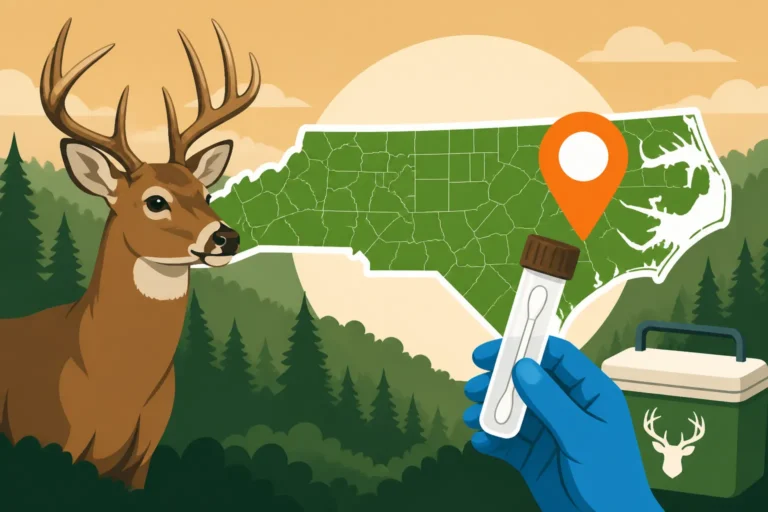
The first confirmed case of CWD in North Carolina was detected in a deer harvested in Yadkin County during the 2021-2022 deer season. This was a somber moment for wildlife enthusiasts and hunters alike. You can imagine the flurry of activity and concern that followed. The North Carolina Wildlife Resources Commission (NCWRC) immediately sprang into action, intensifying surveillance efforts, especially in the areas surrounding the initial detection. It wasn't long before additional positive cases began to surface, primarily concentrated within the Yadkin Valley region. This pattern of discovery, unfortunately, mirrors how CWD has spread in other states — often starting with a few isolated cases that, upon closer inspection and expanded testing, reveal a more widespread, albeit still localized, presence. The disease is highly transmissible among cervids (deer, elk, moose), primarily through direct animal-to-animal contact or indirectly through environmental contamination from bodily fluids, leading to its insidious creep across the landscape.
Defining a CWD Management Area
Following the initial detections and subsequent surveillance, the NCWRC moved to establish what are known as CWD Management Areas (CWDMAs). These aren't just arbitrary lines on a map; they are strategically drawn zones designed to contain the disease and implement rigorous management protocols. A CWDMA typically encompasses the county or counties where CWD-positive animals have been found, along with adjacent counties that are considered at high risk due to proximity, deer movement patterns, or shared geographical features like river systems or mountain ranges. The primary purpose of these zones is twofold: firstly, to intensively monitor the prevalence and spread of CWD through mandatory testing and increased surveillance, and secondly, to implement specific regulations aimed at minimizing human-assisted spread of the disease. This means things like restrictions on moving deer carcasses and mandatory testing requirements become the new normal for hunters within these boundaries. The hope, of course, is that through aggressive and sustained management within these designated areas, we can slow the spread, protect our broader deer population, and safeguard our hunting heritage for generations to come.
Pinpointing North Carolina's Seven CWD Counties
For hunters, one of the most pressing questions revolves around the exact geographical impact of CWD. It's not enough to know the disease is here; you need to know if your hunting spot falls within the affected zones. The NCWRC has clearly defined the CWD Management Area, and understanding these boundaries is crucial for compliance and responsible hunting.
Listing the Counties and Their Proximity
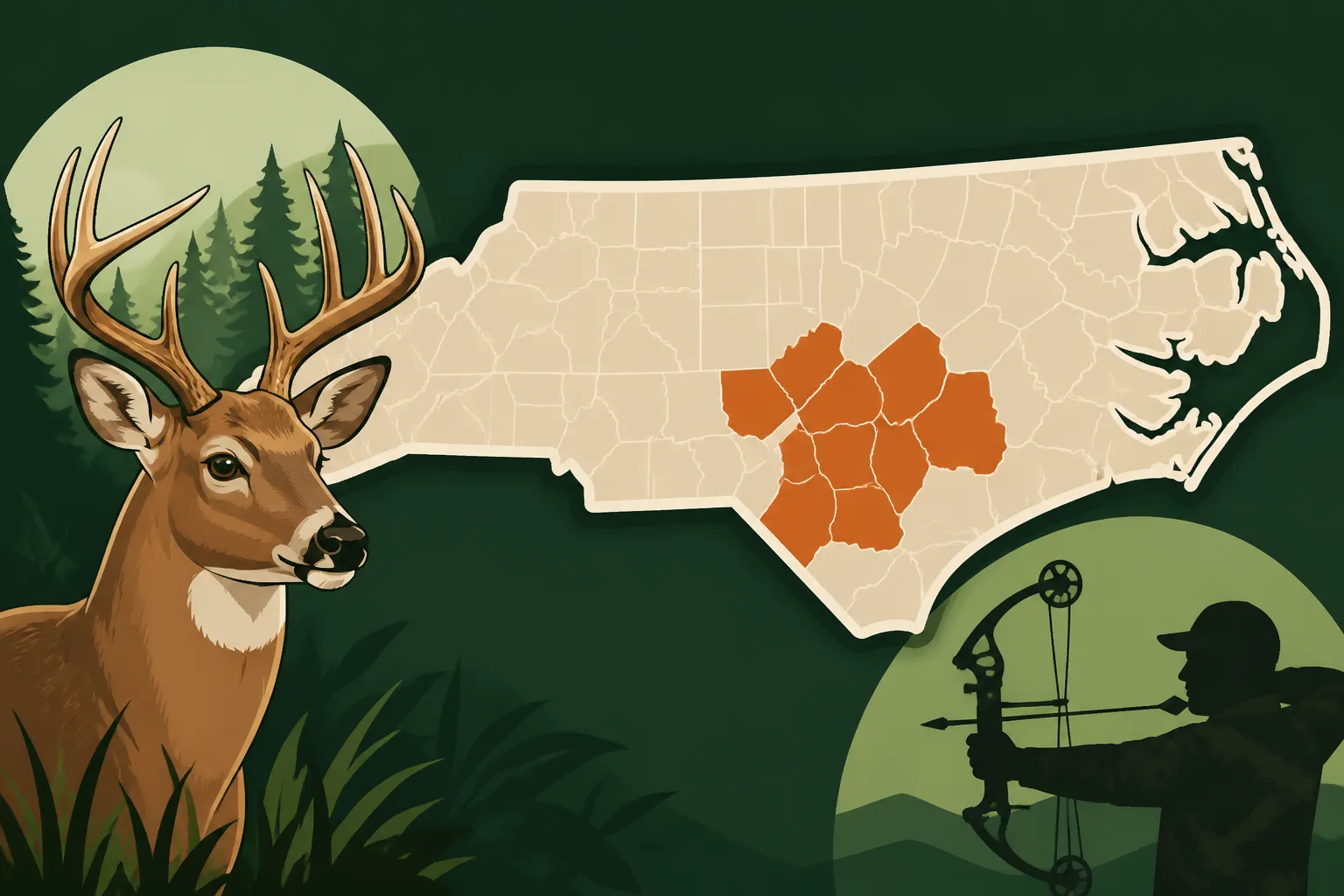
As of the latest updates, North Carolina's CWD Management Area currently encompasses seven counties. These are: Alleghany, Ashe, Davie, Forsyth, Stokes, Surry, and Yadkin. If you're hunting in any of these areas, or even in a county that borders them, pay very close attention to the regulations. You might notice that many of these counties are clustered together in the northwestern part of the state, largely within the beautiful Yadkin Valley and the foothills of the Appalachian Mountains. Surry County, in particular, has unfortunately been a focal point, as it drives North Carolina's CWD count due to a higher number of detections there. The interconnectedness of these counties, often sharing river systems and contiguous habitat, highlights the natural pathways for deer movement and disease transmission, making a regional management approach absolutely essential. For those of us who have long hunted the rolling hills and river bottoms of these regions, it's a stark reminder that our beloved landscapes now carry a new responsibility.
Why These Specific Counties?
The selection of these seven counties for the CWD Management Area wasn't arbitrary; it was a data-driven decision based on the science of disease ecology and epidemiology. Essentially, these are the areas where CWD-positive deer have been confirmed, or they are directly adjacent to those areas, presenting the highest risk for disease presence and spread. The initial detection in Yadkin County naturally led to intense surveillance there and in surrounding locales. As testing expanded, more cases emerged, cementing the need for a focused management zone. Wildlife biologists look at factors like known deer movement corridors, population densities, and landscape features to predict where the disease is most likely to be present or spread next. Think about the shared agricultural fields, the continuous timber blocks, and the river systems that connect these communities – they are highways for deer. By designating these specific counties, the NCWRC is trying to draw a clear line in the sand, concentrating resources and regulations where they can have the most impact on monitoring and mitigating CWD.
Navigating County Lines and Boundaries
The reality of CWD Management Areas means that knowing exactly where you are, and where your deer was harvested, is more critical than ever before. For many of us, our hunting spots might be right on a county line, or we might even hunt properties that straddle a CWDMA boundary. This can lead to genuine confusion and, frankly, a lot of frustration if you're not prepared. Imagine a scenario where one side of your deer stand is in Forsyth County and the other is in Guilford. If you harvest a deer, which county's rules apply? The general rule is that the county where the deer falls, or where the initial recovery takes place, dictates the rules. This is where modern technology becomes your best friend. Tools like the NC Wildlife App are invaluable, providing real-time location data and clearly showing county lines. Similarly, mapping applications like GoHunt can be incredibly helpful for identifying specific property lines and understanding your precise location within the CWDMA. Before you head out, make it a habit to check your location on your phone or GPS device, especially if you're hunting near a boundary. Understanding these subtle nuances is vital not just for compliance, but also for being a responsible steward of our wildlife resources.
Regulations and Restrictions for Hunters in CWDMAs
Hunting in a CWD Management Area (CDWMA) isn't "business as usual." The NCWRC has implemented a series of specific regulations that impact everything from mandatory testing to how you can transport your harvested deer. These rules are designed with the serious goal of containing CWD and preventing its further spread, and it's essential for every hunter in these zones to understand and adhere to them.
Mandatory Deer Testing and Sampling Stations
One of the most significant changes for hunters in the seven CWD counties is the requirement for mandatory CWD testing. This isn't optional; it's a critical component of the state's surveillance strategy. During specific periods, especially during the opening weekends and peak of the deer season, any deer harvested within these counties must be presented for testing. The NCWRC has established numerous CWD sampling locations throughout the CWDMAs to make this process as convenient as possible. These locations can range from staffed check stations to unstaffed self-serve kiosks where you can deposit a deer head. It's vital to check the NCWRC website before your hunt for the most up-to-date information on mandatory testing dates and locations, as these can change. Your participation in this mandatory testing is not just about compliance; it's about actively contributing to the health of the deer herd. Each sample collected provides valuable data that helps biologists track the disease's prevalence and distribution, informing future management decisions. Mandatory testing inside a CWD Surveillance Area is how we get a clear picture of what we're up against, so don't skip this step.
Carcass Movement Restrictions and Processing
Perhaps one of the most impactful, and sometimes confusing, regulations involves carcass movement restrictions. The core idea is simple: you cannot move certain parts of a deer harvested in a CWDMA out of that CWDMA. This is because specific tissues, particularly brain and spinal cord material, are known to harbor the CWD prion. The goal is to prevent the transport of these infected tissues to unaffected areas.
Here’s a breakdown of what can leave a CWDMA:
- Deboned meat
- Clean hides (without head attached)
- Skulls and skull plates with antlers, provided all brain and nervous tissue has been completely removed (this usually means professional cleaning)
- Antlers separated from the skull plate
- Clean teeth
What cannot leave the CWDMA includes whole carcasses, brain, spinal cord, eyes, and lymphatic tissues.
This means you'll need to adapt your processing methods. If you harvest a deer in one of these counties, plan to field dress it there and potentially debone the meat before leaving the zone. If you take your deer to a processor, make sure that processor is located within the CWDMA, or that they are fully aware of and compliant with the carcass movement rules. For those who want to get a deer mounted, communicating early with your taxidermist is crucial. They need to understand the regulations for removing specific tissues to ensure compliance. It's a logistical shift for many, but a necessary one to protect our broader deer population from this devastating disease. Being aware of North Carolina carcass movement restrictions is paramount.
The Special Early CWD-Zone Season
In a proactive effort to increase hunter harvest and gather more samples in the affected areas, the NCWRC implemented a new Special Early CWD-Zone Season. This season runs for a brief period in August, specifically targeting antlered deer. The idea behind targeting antlered deer is multifaceted. Firstly, bucks often have larger home ranges and disperse more widely than does, potentially contributing more to the long-distance spread of CWD. Secondly, studies have shown that CWD prevalence can sometimes be higher in older age-class bucks. By offering an early season focused on them, the NCWRC aims to increase the harvest of these animals, thereby reducing potential disease carriers and increasing the number of deer available for CWD testing even before the general archery season kicks off.
This special season provides hunters with an additional opportunity to get into the woods, but it comes with strict requirements. Hunters participating in this season are still subject to all CWD regulations, including mandatory testing of harvested deer. It's also important to remember that this season targets antlered deer only. This is an excellent chance to contribute directly to disease management efforts while still enjoying an early start to your hunting season. You can find more specific details about Hunting the Special Early CWD-Zone Season on the NCWRC website, including exact dates and bag limits for this unique opportunity.
Here's a quick reference table summarizing key aspects for North Carolina's CWD counties:
| County Name | CWDMA Status | Mandatory Testing (Check NCWRC for specific dates) | Carcass Movement Restrictions Out of Zone | Special Early CWD-Zone Season |
|---|---|---|---|---|
| Alleghany | CWDMA | Yes, during designated periods | Yes, restricted to deboned meat, clean hides/skulls, etc. | Yes, antlered deer only |
| Ashe | CWDMA | Yes, during designated periods | Yes, restricted to deboned meat, clean hides/skulls, etc. | Yes, antlered deer only |
| Davie | CWDMA | Yes, during designated periods | Yes, restricted to deboned meat, clean hides/skulls, etc. | Yes, antlered deer only |
| Forsyth | CWDMA | Yes, during designated periods | Yes, restricted to deboned meat, clean hides/skulls, etc. | Yes, antlered deer only |
| Stokes | CWDMA | Yes, during designated periods | Yes, restricted to deboned meat, clean hides/skulls, etc. | Yes, antlered deer only |
| Surry | CWDMA | Yes, during designated periods | Yes, restricted to deboned meat, clean hides/skulls, etc. | Yes, antlered deer only |
| Yadkin | CWDMA | Yes, during designated periods | Yes, restricted to deboned meat, clean hides/skulls, etc. | Yes, antlered deer only |
The Impact on Hunting Practices and Community
The presence of CWD and the resulting management areas create a new layer of consideration for hunters. It's not just about rules and regulations; it's about shifting our mindset and adapting our beloved hunting traditions to this new reality. This disease truly changes the conversation around deer hunting, bringing with it both challenges and opportunities for growth within our community.
Adapting Hunting Strategies
For many of us, our hunting strategies have been honed over years, sometimes decades, on familiar ground. CWD demands a fresh look at these approaches. The NCWRC often encourages increased harvest in CWDMAs, particularly of antlered deer, to help manage deer densities and slow disease transmission. This might mean adjusting your personal bag limits or even participating more actively in programs like the special early CWD-Zone season to help achieve those goals. It also means becoming more vigilant for signs of sick deer. If you see a deer exhibiting neurological symptoms (emaciation, drooling, unusual behavior), it's crucial to report it to the NCWRC immediately, rather than attempting to harvest it for consumption.
Furthermore, thinking about how your hunting impacts the land and other animals becomes even more important. Practices like baiting, while legal in many areas, concentrate deer and could potentially facilitate disease spread. While the NCWRC doesn't currently prohibit baiting in CWDMAs, it's a personal ethical consideration worth exploring. Understanding deer movement, especially in relation to food sources and bedding areas, becomes critical. Tools like GoHunt can help you analyze aerial photos for Piedmont deer movements and better plan your setup to maximize your chances while adhering to new regulations. This adaptation isn't about giving up hunting; it's about evolving our methods to be more responsible stewards of the resource in the face of a serious threat.
Community Engagement and Hunter Responsibility
The fight against CWD isn't solely on the shoulders of wildlife biologists; it’s a community effort, and hunters are on the front lines. Our collective participation, compliance, and vigilance are absolutely critical to limiting the spread and managing this disease. It’s natural to feel frustrated by new rules, especially when they disrupt long-standing traditions. However, viewing these regulations as a shared responsibility—a necessary burden to protect our deer herds—can help foster a sense of collective purpose.
This means being diligent about getting your deer tested, meticulously following carcass movement restrictions, and staying informed about the latest updates from the NCWRC. It also means having respectful conversations with fellow hunters, sharing accurate information, and dispelling myths. When you track a deer through North Carolina leaf litter in a CWD county, for instance, you're not just pursuing a game animal; you're also potentially gathering vital data for wildlife management. The emotional toll of CWD can be significant, as many hunters are deeply invested in the health of the deer herd. Open communication, shared knowledge, and a commitment to working together will be key to navigating this challenge as a united hunting community.
Future Outlook and Ongoing Efforts
The future of CWD in North Carolina's affected counties, and indeed across the state, is an ongoing story. There's no quick fix for this disease, and management will likely be a long-term commitment. The NCWRC, along with partners like the National Deer Association and other research institutions, is continuously monitoring the situation, conducting research, and refining management strategies. This includes intensified surveillance, ongoing testing efforts, and evaluation of existing regulations to determine their effectiveness.
It's entirely possible that the boundaries of the CWD Management Areas could shift in the future – either expanding if new cases emerge outside the current zones, or potentially being adjusted if surveillance data supports a change. New scientific discoveries might also lead to innovative management techniques. As hunters, staying informed through official NCWRC channels is the best way to keep up with these evolving efforts. While the presence of CWD is a daunting challenge, the dedication of North Carolina's hunters, wildlife professionals, and the broader community gives us the best possible chance to manage its impact and protect our cherished deer herds for generations to come.
Disclaimer
The information provided in this guide is for general informational purposes only and is not intended as legal advice. Hunting regulations, including those related to CWD, can change. Always consult the most current regulations and proclamations issued by the North Carolina Wildlife Resources Commission (NCWRC) before participating in any hunting activities.