North Carolina Muzzleloader Season Rules
Navigating the myriad of hunting regulations in North Carolina can feel like trying to untangle a giant ball of fishing line, especially when you're passionate about specific seasons. Many hunters, myself included, find themselves scratching their heads when trying to pin down the exact rules for muzzleloader season, wondering if it's a completely separate beast or just a quirky overlap. This comprehensive guide is here to cut through that confusion, giving you a clear, detailed breakdown of everything you need to know to confidently head into the woods with your smoke pole.
Understanding North Carolina's Muzzleloader Seasons
The beauty of muzzleloader season in North Carolina is that it offers a distinct opportunity, a bridge between the early archery action and the full-blown rifle season. It's a chance to get into the woods when deer are often still on predictable patterns, but with a bit more firepower than a bow. However, what trips up a lot of folks is that it’s not a single, uniform statewide season. North Carolina, bless its heart, loves its zones, and muzzleloader season is no exception.
Statewide and Zone-Specific Dates
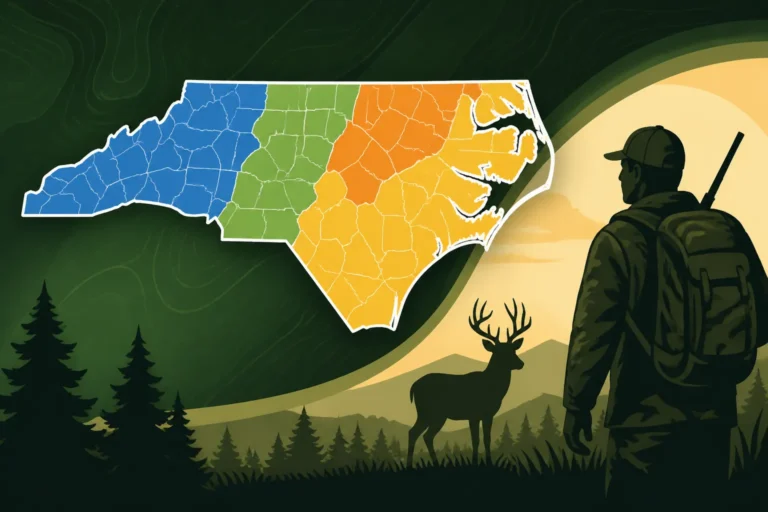
While there is a general framework, the exact dates for muzzleloader season in North Carolina are dictated by the state’s three distinct deer management zones: the Eastern, Central, and Western zones. These zones, which also govern the broader gun deer season, effectively split the calendar to manage deer populations and hunting pressure regionally. This means a hunter in the Coastal Plain might be out with their muzzleloader weeks before someone high in the Blue Ridge Mountains.
For instance, the Eastern Zone typically sees an earlier muzzleloader period, sometimes kicking off in late September or early October. This is followed by the Central Zone, usually a week or two later, and finally the Western Zone, which often doesn't open its muzzleloader season until late October or early November. This staggered approach aims to account for varying rut timings and deer densities across the diverse landscapes of North Carolina. Always double-check the current year's North Carolina Deer Season Structure Explained, as these dates can shift slightly year to year. It's not uncommon for hunters to use mapping apps like GoHunt to quickly ascertain which zone their chosen hunting grounds fall into, making planning much simpler.
Overlap with Archery and Gun Seasons
One of the unique aspects of muzzleloader season is its tendency to overlap with other weapon types, adding layers of strategy and, sometimes, confusion. In many areas, the muzzleloader season runs concurrently with a portion of the statewide archery season. This means if you're an archer, you might see muzzleloader hunters in the woods alongside you. The key distinction here lies in the equipment rules, which we'll delve into shortly.
Furthermore, in some zones, especially later in the year, the muzzleloader season can precede or even briefly overlap with the opening of the traditional gun deer season. This creates a really interesting dynamic. For a few precious days, you might have hunters out with modern firearms and others still using their trusty muzzleloaders. This overlap is a critical time for safety awareness, as the woods can be quite busy. Always be acutely aware of your surroundings and make sure you're wearing appropriate safety colors.
Special Early CWD Zone Seasons
A relatively new but extremely important development for North Carolina hunters, especially those focused on deer, is the establishment of Chronic Wasting Disease (CWD) Management Areas. These areas, particularly in counties like Surry, Yadkin, and Wilkes, have introduced special early seasons. The rules around these seasons are often specific and can sometimes include muzzleloaders as an allowed weapon.
Currently, the special early CWD-Zone season primarily targets antlered deer and typically occurs in late summer or early fall, even before the statewide muzzleloader seasons normally begin. While these special hunts are generally aimed at increasing harvest pressure on the deer herd to help manage CWD spread, hunters should always check the most current regulations for the specific CWD Management Area they intend to hunt. Not all special seasons permit muzzleloaders, and there might be specific weapon restrictions or mandatory harvest reporting and testing requirements. Understanding these nuances is crucial, particularly if you're planning on Hunting the Special Early CWD-Zone Season. It adds another layer to planning, but it's vital for responsible hunting and disease management.
Essential Licenses and Big Game Tags for Muzzleloader Hunting
Before you even think about loading up your muzzleloader and heading to your favorite stand, you absolutely need to make sure your paperwork is in order. North Carolina has a clear structure for hunting licenses and big game tags, and there's no way around it. Skipping this step can lead to hefty fines and loss of hunting privileges, so pay close attention.
Base License and Big Game Privilege
Every hunter in North Carolina, resident or nonresident, must possess a valid hunting license. This foundational license acts as your general permission slip to hunt most small game and furbearers. However, for big game like deer, which includes during muzzleloader season, you'll need an additional permit: the Big Game Hunting Privilege. Think of your base license as your entry ticket and the big game privilege as your VIP pass to pursue deer, bear, and turkey.
There are various types of base licenses, from annual resident licenses to comprehensive lifetime options. For most hunters, a Resident Sportsman's License or a similar annual package is sufficient, as it often includes the Big Game Hunting Privilege. If you're a non-resident, the costs can be significantly higher, and you'll want to explore the various North Carolina Nonresident Hunting License Options to find the one that best suits your hunting plans. You can usually purchase these conveniently online through the NC Wildlife Resources Commission portal, ensuring you're compliant before the season even begins. Don't leave home without both your base license and your big game privilege in hand, whether it's the physical card or accessible on the NC Wildlife app.
Game Lands License for Public Land Hunters
If your hunting adventures take you to any of North Carolina's extensive network of public Game Lands, there's another crucial permit you'll need: the Game Lands License. This permit is separate from your base license and big game privilege and grants you access to hunt on designated Game Lands managed by the NC Wildlife Resources Commission. Many prime muzzleloader hunting spots are located within these public access areas, from vast national forests to smaller, managed tracts.
It's a common mistake for new public land hunters to forget this additional requirement. Just because you have a hunting license doesn't automatically mean you can hunt on Game Lands. The funds from these licenses directly support the management, maintenance, and acquisition of these vital public hunting areas, so it's an important contribution. When using an app like GoHunt to scout public lands, it's a good reminder to also check the specific Game Land regulations, as some areas may have additional rules or sign-in requirements. Always confirm you have the proper North Carolina Game Lands License Requirements before stepping foot on these valuable public grounds.
Non-Resident Considerations
For our friends visiting from out of state to experience North Carolina's hunting opportunities, the licensing structure is similar but with a few key differences in cost and options. Non-residents still need a base hunting license and the Big Game Hunting Privilege. The main distinction is that the nonresident fees are higher, reflecting the state's residents contributing to wildlife management through taxes and other means.
Non-residents often have options for shorter-duration licenses, such as a 10-day hunting license, which can be combined with the Big Game Hunting Privilege. This is an excellent choice for those making a specific trip for a North Carolina Muzzleloader season. It's always advisable for non-residents to purchase their licenses well in advance of their hunt. While online purchasing is convenient, sometimes technical glitches happen, and you don't want to be scrambling on opening morning. Check the North Carolina Nonresident Big Game Privilege Cost to ensure you budget appropriately, as it can be a significant part of your trip expenses.
Muzzleloader Equipment Rules and Restrictions
The term "muzzleloader" itself implies a specific type of firearm, but North Carolina's regulations delve deeper into what is actually considered legal during its designated muzzleloader seasons. It's not just about loading from the muzzle; there are specifics on ignition systems, projectiles, and even optics that hunters need to be aware of. Getting this wrong could mean your hunt is over before it begins, or worse, you face a citation.
Legal Muzzleloader Types
In North Carolina, a legal muzzleloading firearm for deer hunting is generally defined as a rifle, shotgun, or handgun that is loaded from the muzzle. This encompasses a fairly broad range, but the critical point is the ignition system. Both flintlock and percussion cap actions are universally accepted. This includes both traditional side-hammer rifles and more modern in-line muzzleloaders that use 209 primers, percussion caps, or flint-and-steel.
The key distinction for muzzleloader season is that during the special muzzleloader-only periods, you cannot use a modern rifle. This means no breech-loading centerfire or rimfire rifles. The spirit of the muzzleloader season is to offer a more traditional, single-shot hunting experience. So, while your shiny new .308 is great for general gun season, it needs to stay in the safe during muzzleloader season. Additionally, you'll want to make sure your muzzleloader meets minimum caliber requirements for deer, which is generally .40 caliber or larger for rifles, and at least 20 gauge for shotguns using single projectiles. Handguns must be .40 caliber or larger.
Projectiles and Propellants
When it comes to what you can send down the barrel, North Carolina's rules for muzzleloaders are fairly straightforward, allowing most common muzzleloader projectiles. This includes traditional patched round balls, various conical bullets, and saboted projectiles (like a .45 caliber bullet in a plastic sabot for a .50 caliber barrel). The main thing is that the projectile must be loaded from the muzzle and propelled by black powder or a black powder substitute.
Speaking of propellants, only black powder or approved black powder substitutes (like Pyrodex, Triple Seven, or Hodgdon 777) are permitted. You cannot use smokeless powder in a muzzleloader unless the firearm is specifically designed and rated for it by the manufacturer, which is rare for hunting muzzleloaders and typically not what is meant by "muzzleloader season." Using smokeless powder in a firearm not designed for it is incredibly dangerous and illegal. Always consult your muzzleloader's manual for recommended propellants and charges. When hunting in damp conditions common in many parts of North Carolina, keeping your powder dry in wet snow or coastal humidity is crucial for reliable ignition.
Optics and Sights
This is one area where muzzleloader regulations can sometimes cause confusion, as rules around optics have evolved. Historically, many muzzleloader seasons were "primitive weapons" hunts, often implying open or peep sights only. However, North Carolina's muzzleloader season does permit the use of magnified optics. This means you can mount a rifle scope on your muzzleloader, just as you would on a modern rifle.
The allowance of scopes significantly enhances a muzzleloader hunter's effective range and accuracy, especially in the varied terrain found across North Carolina, from dense coastal swamps to open Piedmont fields and the often dark timber of mountain coves. So, feel free to put that low-light performance scope on your in-line, or even a traditional-looking scope on your flintlock if that's your preference. This flexibility makes muzzleloader hunting more accessible and enjoyable for many hunters.
General Regulations During Muzzleloader Season
While the specific weapon and dates define the muzzleloader season, it’s still crucial to remember that general hunting laws and regulations apply. You can't just throw out all the other rules once you've got your smoke pole in hand. These overarching guidelines ensure safety, ethical hunting, and compliance with the state's wildlife management goals.
Deer Bag Limits and Antlerless Opportunities
During the muzzleloader season, the standard North Carolina Deer Bag Limit Rules apply to the county and zone you are hunting in. This means you still need to adhere to the statewide bag limit of six deer per year, no more than two of which can be antlered. However, there are county-specific antlerless bag limits that can be more restrictive. It's absolutely vital to know the specific regulations for the county you're hunting in, as some counties may have lower antlerless limits or even antlerless-only days.
Many muzzleloader seasons offer fantastic opportunities for harvesting antlerless deer, which is an important aspect of deer herd management in many areas. For example, if you're Hunting Piedmont Farmland Deer, taking a doe can be beneficial to local agricultural interests and herd health. Always confirm the current year's bag limits and antlerless days through the NCWRC website or the current hunting regulations digest. Don't assume; verify!
Blaze Orange Requirements
Safety is paramount in the hunting woods, and North Carolina takes its blaze orange requirements seriously, especially during seasons when multiple weapon types or different types of hunters might be afield. During any deer season where firearms are allowed, including muzzleloader season, all hunters (except for those hunting migratory waterfowl, doves, or archery-only hunters outside of firearms seasons) must wear hunter orange.
The specific requirement is "at least 500 square inches of hunter orange visible from all sides, or a hunter orange hat, visible from all sides." This applies whether you're actively hunting, traveling to or from your stand, or even just scouting. This rule is designed to prevent accidents and ensure you are clearly visible to other hunters. It's a non-negotiable safety measure that helps keep everyone safe. Don't be the hunter who risks an accident or a fine because they "forgot" their orange. Even if you're Bowhunting North Carolina's Statewide Archery Season, once a firearms season opens in that area, you need to wear orange unless you are hunting from an elevated stand or in an enclosed blind. When using a ground blind, you need to display at least 500 square inches of hunter orange visible from outside the blind.
Sunday Hunting and Public Land Hours
Sunday hunting has been a topic of much discussion and change in North Carolina over the years, and the rules can still be a bit nuanced. For deer hunting, including during muzzleloader season, Sunday hunting is generally permitted on private lands with some restrictions on weapon types and proximity to residences. However, the use of firearms (including muzzleloaders) on Sundays is typically restricted to after 9:30 AM and before sunset. You cannot hunt deer with a firearm on Sundays within 500 feet of a place of worship or any residence not owned by the hunter, unless you have written permission from the landowner or tenant.
For public lands, the rules are often different. Sunday hunting with firearms (muzzleloaders included) is prohibited on most Game Lands managed by the NC Wildlife Resources Commission. There are exceptions for certain federal lands or specific Game Lands, but as a general rule, plan your muzzleloader hunts on public land for Monday through Saturday. Additionally, hunting hours on North Carolina Public Land typically run from one-half hour before sunrise to one-half hour after sunset. Always consult the specific Game Land regulations in the current hunting digest or on the NCWRC website for clarity, as these rules can change and vary by location.
Reporting Your Harvest and CWD Protocol
Harvesting a deer during muzzleloader season is an exciting accomplishment, but your responsibilities don't end when the deer hits the ground. Proper reporting and adherence to CWD protocols are crucial for wildlife management and disease prevention. These steps are mandatory and directly contribute to the health of North Carolina's deer herd for future generations.
Mandatory Deer Reporting
In North Carolina, all harvested deer, regardless of the season or weapon used, must be reported to the NC Wildlife Resources Commission. This is not optional; it's a legal requirement. The good news is that the process has been streamlined and is quite easy to complete. Hunters have two main methods for reporting their harvest: through the NC Wildlife mobile app or via the NCWRC website.
You're generally required to report your deer before transporting it from the kill site. The app is incredibly convenient for this, allowing you to quickly enter the necessary information (county, sex, weapon used, etc.) right from the woods, even if you have limited cell service, as it can often store the data and upload it later. This data is invaluable to biologists for monitoring deer populations, harvest trends, and overall herd health. It's a simple step that provides immense benefit to wildlife management. Ensure you understand the North Carolina Deer Reporting Deadline to avoid any issues.
CWD Zone Implications for Muzzleloader Hunters
Chronic Wasting Disease is a serious concern for deer populations nationwide, and North Carolina is actively working to manage its spread, particularly in the established CWD Management Areas. If you harvest a deer with your muzzleloader within one of these CWD zones (currently focused in the Yadkin Valley counties of Surry, Yadkin, and Wilkes, among others), there are additional rules you must follow.
These rules often include mandatory CWD testing of all harvested deer within certain areas or during specific timeframes. You might be required to take your deer to a designated CWD sampling station for biological samples to be collected. Furthermore, there are strict North Carolina Carcass Movement Restrictions regarding deer harvested in a CWD zone. You generally cannot transport the whole carcass out of the CWD zone. Only specific parts, like deboned meat, antlers (with brain tissue removed), clean skull plates, hides, and taxidermy products, are permitted to leave the area. This is to prevent the physical spread of the CWD prions. Before hunting in any of these areas, thoroughly review the most current regulations on North Carolina's Chronic Wasting Disease Areas to ensure full compliance and help protect our deer herd.
| North Carolina Muzzleloader Season Key Rules Summary | Details |
|---|---|
| Zone-Specific Dates | Eastern, Central, and Western Zones have staggered season dates. Always verify the current year's dates for your specific county. |
| Weapon Overlaps | Muzzleloader season can overlap with archery and sometimes gun seasons. Be aware of other hunters and safety protocols. |
| CWD Zone Special Seasons | Specific CWD Management Areas may have early special muzzleloader seasons with unique rules (e.g., antlered-only, mandatory testing). |
| Required Licenses | Must have a valid NC hunting license AND a Big Game Hunting Privilege. Public land hunters also need a Game Lands License. |
| Legal Muzzleloaders | Muzzle-loading rifles, shotguns (.20 ga+), or handguns (.40 cal+) using percussion or flintlock ignition. Cannot be modern breech-loading firearms. |
| Projectiles/Propellants | Patched round balls, conical bullets, or sabots loaded from the muzzle. Only black powder or approved black powder substitutes are allowed. |
| Optics | Magnified scopes are permitted on muzzleloaders during muzzleloader season. |
| Deer Bag Limits | Standard statewide (6 deer, 2 antlered max) and county-specific antlerless limits apply. Know your county's rules. |
| Blaze Orange | Mandatory 500 sq. inches or hunter orange hat visible from all sides during any firearms deer season, including muzzleloader. |
| Sunday Hunting | Permitted on private lands (after 9:30 AM, restrictions apply). Prohibited on most public Game Lands with firearms. |
| Mandatory Reporting | All harvested deer must be reported via the NC Wildlife app or website before transport from the kill site. |
| CWD Carcass Rules | If hunting in a CWD Management Area, be aware of mandatory testing requirements and strict carcass movement restrictions. Only certain parts may leave the zone. |
Disclaimer
The information provided in this guide is intended for general informational purposes only and is not a substitute for the official North Carolina Wildlife Resources Commission (NCWRC) regulations. Hunting laws and regulations are subject to change, and it is the hunter's responsibility to consult the most current NCWRC Hunting Regulations Digest and any applicable local or federal laws before participating in any hunting activity. Always prioritize safety and ethical hunting practices.