Hunting the Second Dove Split in October
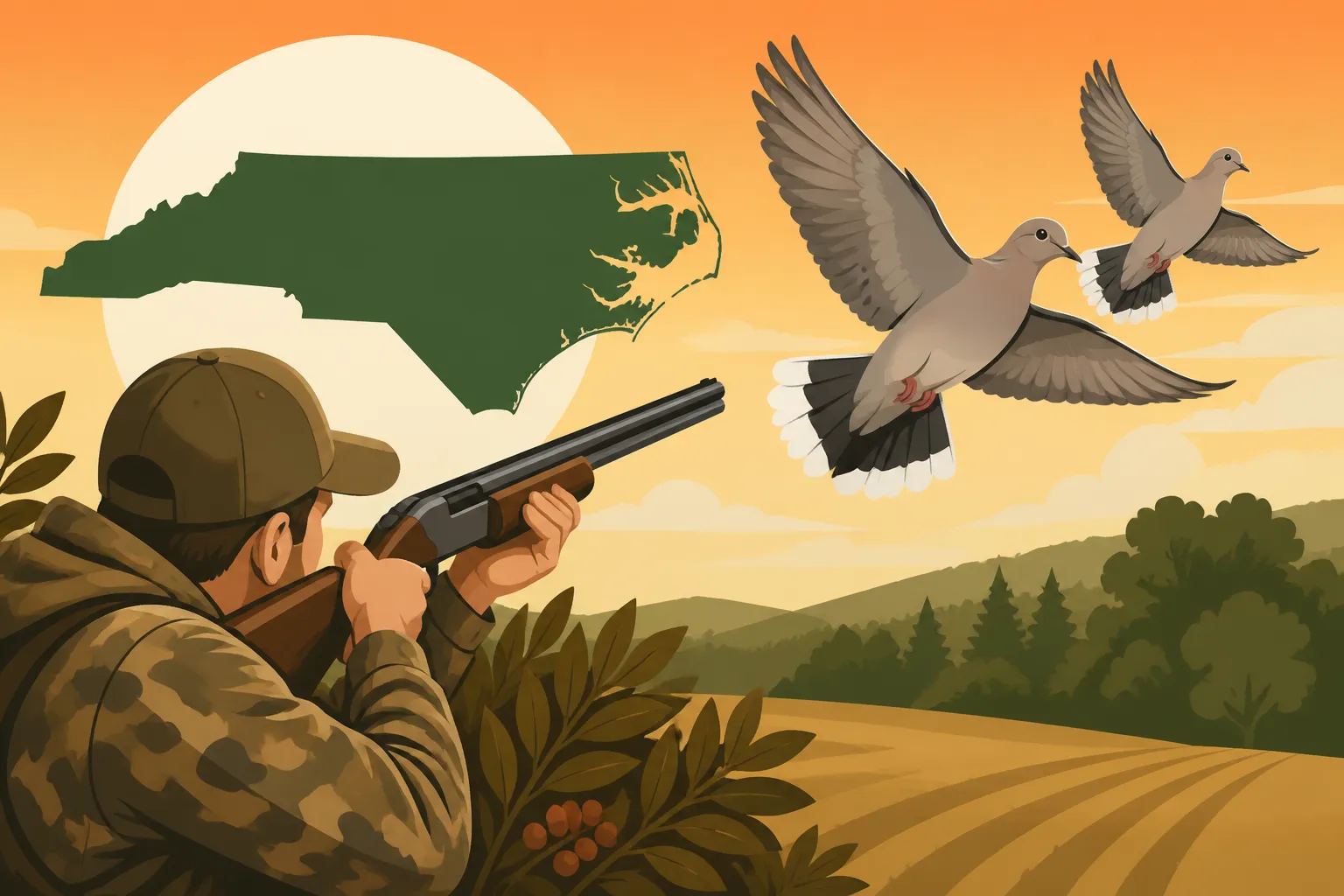
Hunting doves in North Carolina can be an absolute blast, but if you've ever tried to chase those elusive birds during the second split in October, you know it's a completely different ballgame than the frenzy of opening day. The fields that were buzzing with activity in early September might be eerily quiet now, leaving you scratching your head and wondering where all the birds went. This guide is here to walk you through the unique challenges and rewarding strategies for successfully hunting the second dove split in October across our beautiful state.
Understanding the October Dove Split in North Carolina
The early dove season, typically kicking off around Labor Day, is often a high-energy affair, marked by huge concentrations of birds, warm weather, and a distinct "party hunt" atmosphere. But as September fades into October, things shift dramatically. The weather cools, agricultural practices change, and many of those early migrants have already passed through, leaving a different population of doves behind. Understanding these changes is the first step to success.
Why the Second Split is Different
One of the biggest differences you'll notice in the second split is the composition of the dove population itself. Early season often sees a mix of resident birds that have nested and raised their young here, alongside early migratory birds moving south. By October, a significant portion of those early migrants have pushed further south, leaving behind a more dispersed, often warier population of local birds, or later-migrating groups that haven't faced as much pressure yet. This means the sheer volume of birds in any given field can be much lower, and the birds that are still around have likely been shot at a few times. The weather plays a huge role, too; those scorching September days give way to crisp, cool mornings, which affects everything from when birds fly to what they're feeding on. You're not just dealing with different birds; you're dealing with a different season entirely.
Key Dates and Regulations for the October Split
Navigating the regulations for migratory birds in North Carolina can sometimes feel like trying to untangle a knot of fishing line. For dove hunters, it's critical to know when each segment of the season opens and closes. Typically, North Carolina has three dove hunting segments. The second split usually commences in early to mid-October and runs for a couple of weeks before a longer break, then a final, often shorter, winter segment. You’ll want to double-check the current year's dates with the North Carolina Wildlife Resources Commission (NCWRC) regulations, as they can shift slightly. Remember that the daily bag limit for doves remains consistent across all splits – usually 15 birds per day, with a possession limit of three times the daily bag. Also, don't forget the federal requirements; every migratory bird hunter over 16, even those with a lifetime license, needs to be North Carolina HIP Certification for Bird Hunters. This small detail is often overlooked but is crucial for staying legal.
Common Frustrations and How to Overcome Them
It’s easy to get discouraged during the second split. You might scout a field that looked promising only to find a few lone doves lazily pecking at the ground, or arrive at your spot to see no birds flying at all. The fields that were magnets during the early season, like freshly cut wheat or sunflower fields, might be picked clean or have grown over with weeds. The birds are also generally much smarter; they've been educated by hunters for weeks. To overcome these frustrations, you need to change your mindset and your tactics. Instead of expecting constant action, be prepared for longer waits and more strategic shots. Instead of focusing solely on harvested fields, broaden your search to include other food sources and water. Think like a late-season dove: where would you go to feel safe and find sustenance when the easy pickings are gone?
Locating Doves in Early Fall
Finding doves in October requires a more strategic approach than the "find a cut field and shoot" method of early September. The landscape has changed, and so have the birds' habits. You need to become a detective, looking for clues that indicate where the remaining doves are finding their meals and their sanctuary.
Identifying Prime Feeding Areas
By October, many of the prime early-season food sources have been depleted or are no longer attractive to doves. Think about what's available now. While some cut grain fields, particularly corn or soybeans, might still offer sustenance, they need to be actively showing fresh sign of dove use. Doves are opportunistic feeders, and they'll gravitate towards fields where farmers have recently harvested crops or where specific weed seeds are abundant. Keep an eye out for fields with scattered volunteer wheat, various wild grasses, or even ragweed. These less obvious food sources can be gold mines for later-season birds. A great strategy is to drive rural roads in areas known for agriculture, especially around sunrise and sunset, watching for birds flying into or out of particular fields. If you're on public land, looking for areas where seeds are naturally plentiful, like disturbed soil or edges of clearcuts, can pay off. Sometimes, farmers will disk a field in preparation for a winter crop, unearthing new seeds and creating a temporary feeding frenzy. It's worth Scouting North Carolina Public Land Before Season to pinpoint these lesser-known spots.
Finding Water Sources and Roosting Sites
Water is always critical for doves, but in the cooler, drier days of October, their reliance on specific water sources can become even more pronounced. Ponds, shallow creeks, and even puddles can be hotspots, particularly in the late afternoon. Doves will typically fly from feeding areas to water, then to their roosting sites as dusk approaches. Identifying these flyways between feeding, watering, and roosting locations is key. Roosting sites are often dense stands of pines, cedars, or other evergreens that offer protection from predators and the elements. These can be individual trees or entire woodlots. By observing flight patterns, you can often pinpoint a preferred roost. Setting up along a flight path between a known feeding area and a watering hole, or a watering hole and a roost, can be incredibly effective. Remember, doves don't want to fly any further than they have to, so look for these key spots in close proximity.
The Impact of Changing Agriculture
North Carolina's agricultural landscape is constantly evolving, and this directly impacts dove hunting. As summer crops like corn and soybeans are harvested, farmers are often preparing fields for winter wheat or cover crops. This activity, whether it's disking, planting, or fertilizing, can stir up dormant seeds, making a field temporarily attractive. However, once those fields are planted and the seeds are gone or covered, the doves move on. Pay attention to local farming operations. If you're hunting private land, a quick chat with the landowner can provide invaluable information about what fields have been worked recently. On public lands, this might mean more extensive scouting, perhaps using mapping tools like GoHunt to identify different field types and potential cover. The doves are still out there, but their behavior is more dictated by the availability of unpressured food and water, which changes weekly with agricultural cycles. Consider Hunting a Standing Cornfield in Farm Country if you can find one that's been recently shelled or is still dropping kernels.
Effective Tactics for October Doves
With fewer, warier birds, your tactics need to evolve from the run-and-gun approach of opening day. Patience, camouflage, and strategic decoy placement become paramount. You're trying to fool educated birds, so every detail matters.
Decoy Spreads and Motion Decoys
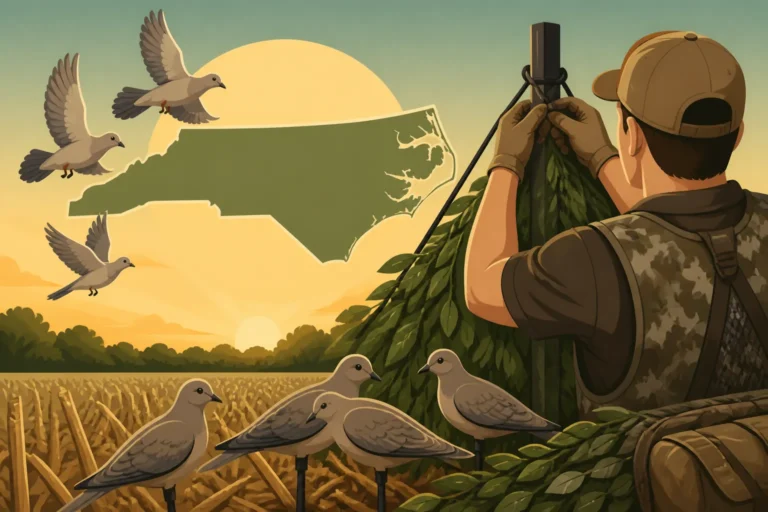
Decoys are your best friend during the second split. With fewer real birds to draw attention, a convincing spread can make all the difference. Doves are highly social, and seeing other "doves" on the ground or flying can be an irresistible invitation. Use a mix of static decoys on the ground, perhaps with a few elevated on dove trees or stakes to simulate feeding and resting birds. The real game-changer for many hunters, however, is a motion decoy. Mojos, Wing Spinners, or even simple kite decoys that flutter in the breeze can mimic a live bird flapping its wings, catching the eye of distant doves and drawing them in. Place your motion decoys strategically to simulate birds landing into the wind, as this is how real doves approach. Set them up at the edge of your shooting range, allowing birds to commit before they're directly overhead. It’s similar in principle to Decoy Placement for Pressured North Carolina Birds, where realism draws in wary game.
Concealment Strategies for Cooler Weather
In early September, hunters often get away with less-than-perfect camouflage because there's so much activity and the doves are less suspicious. By October, those birds have seen it all. Excellent concealment is non-negotiable. With cooler temperatures, you might be wearing heavier layers, which can make you appear larger. Utilize natural cover like standing weeds, fencerows, or the edge of a woodline. If hunting an open field, a ground blind is almost essential. You can even create a makeshift blind using natural vegetation from the area – brush it in thoroughly! Remember to consider your silhouette against the sky, especially if birds are flying high. Break up your outline, stay still, and only move when the birds are directly overhead or flying away. Even a flash of white from a hand or face can spook a wary dove. Think about the sun's position relative to your setup; having the sun at your back can make it harder for doves to see you and easier for you to see them.
Shotgun and Ammunition Selection for Late Season
While doves are not large birds, the ranges at which you'll be shooting them in October might be longer due to their increased wariness. This means your shotgun and ammunition choice becomes a bit more critical. A 12-gauge or 20-gauge shotgun remains the standard, but you might consider a slightly tighter choke than you used on opening day, perhaps a Modified or even a Light Full, to extend your effective range. As for ammunition, standard 7 ½ or 8 shot is perfectly adequate. However, if you're consistently taking longer shots, some hunters opt for a 6 shot to give them a bit more pellet energy at distance, though this reduces the number of pellets in your pattern. Don't be afraid to pattern your shotgun with your chosen choke and load before heading out. Knowing how your gun performs will boost your confidence and reduce frustration. This is just as important as choosing the Best Rifle Caliber for North Carolina Deer – matching your tool to the task is key.
Essential Gear and Preparations for October Hunting
October dove hunting isn't just about finding the birds; it's also about staying comfortable and prepared for changing conditions. The days might start chilly, warm up significantly, and then cool down quickly again, so dressing in layers is crucial.
Clothing and Comfort Considerations
Forget the short sleeves and mesh vests of early season. October mornings can be quite cool, especially in the Piedmont and Mountain regions of North Carolina. Layering is your best friend. Start with a moisture-wicking base layer, add an insulating mid-layer like a fleece or lightweight down vest, and top it with a good camouflage jacket or shirt. As the day warms up, you can shed layers. A good hat and gloves can also make a huge difference in comfort, particularly during those early morning sits. Waterproof or water-resistant boots are also wise, as morning dew or recent rains can make fields damp. Don't forget your blaze orange for walking in and out of fields or when not actively hunting, if required by specific local or public land rules, though for doves it's less strictly enforced while actually hunting compared to deer. Remember, comfort helps you stay still and focused, which is vital when hunting wary birds.
Field Setup and Safety
Your field setup for the second split needs to maximize concealment and offer a good field of fire. As mentioned, a ground blind is highly recommended. Set it up well before hunting hours to allow birds to get accustomed to it (if possible) and to avoid disturbing any early morning activity. Position your blind so you have a clear view of where you expect birds to fly, and ensure your shooting lanes are free of obstructions. Always have a clear understanding of your safe shooting zones, especially if hunting with others. Establish boundaries and communicate them effectively. Knowing where other hunters are and having a clear backdrop is paramount. If hunting a public dove field, be aware that others might be present, and always respect their space and safety. Basic rules like carrying your North Carolina Hunting Licenses and What They Cost and keeping your shotgun unloaded until ready to hunt are non-negotiable.
Post-Hunt Care and Regulations
Once you've had a successful hunt, proper care for your harvested doves is important. In cooler October weather, spoilage is less of an immediate concern than in September, but it's still best to field dress your birds as soon as possible. This typically involves breasting out the doves, which is removing only the breast meat, and placing them on ice in a cooler. This not only preserves the meat but also reduces the weight you have to carry out of the field. Remember that migratory bird regulations often require a "head or wing attached" for identification purposes during transport, at least until you reach your final destination like your home or a processing facility. Always check the current regulations for specifics. Ensure you correctly report any necessary harvest information if required, though for doves, this is generally not mandatory in the same way it is for big game like deer or bear.
Here's a quick comparison of the two main dove splits:
| Feature | Early Dove Split (September) | Second Dove Split (October) |
|---|---|---|
| Weather | Warm to hot, often humid | Cool to mild, crisp mornings |
| Bird Population | High density, mix of residents & early migrants | Lower density, warier, resident & later migrants |
| Food Sources | Freshly cut corn, wheat, sunflowers | Wild seeds, ragweed, disked fields, scattered grain |
| Hunter Pressure | High, "party hunt" atmosphere | Moderate to low, more solitary |
| Tactics | Pass shooting, less concealment needed | Decoying, motion decoys, strict concealment |
| Key Challenge | Heat, finding active fields | Finding birds, fooling wary birds, changing habitat |
| Required Gear | Light clothing, bug spray | Layers, ground blind, effective camo |
Hunting the second dove split in October requires a little more finesse, a touch more patience, and a willingness to adapt. But for those who embrace the challenge, it can be an incredibly rewarding experience, offering a chance to enjoy the crisp autumn air and some challenging wing-shooting long after the early season crowds have gone home. So grab your gear, pay attention to the details, and enjoy chasing those speedy little birds across the North Carolina landscape.
Disclaimer
Please remember that hunting regulations and seasons can change. Always consult the latest North Carolina Wildlife Resources Commission (NCWRC) regulations before heading afield. This guide is for informational purposes only and does not replace official state regulations.