Rabbit Hunting North Carolina Fencerows
For many of us who grew up in North Carolina, rabbit hunting isn't just a pursuit; it's a cherished memory of crisp fall mornings, the excited yelp of beagles, and the thrill of a cottontail bursting from thick cover. But finding consistent success, especially on pressured public land or without canine companions, can be a real challenge. This guide dives deep into the art of hunting rabbits specifically along North Carolina's fencerows, offering practical strategies and insights to help you fill your vest.
Understanding North Carolina's Rabbit Habitat
When you're out there, shivering slightly in the morning chill, you're not just looking for a rabbit; you're looking for rabbit country. These aren't creatures that roam wide open spaces. They're masters of concealment, perpetually seeking refuge from predators, and in North Carolina, those needs are often met by the dense, tangled lines that crisscross our farmlands.
The Appeal of Fencerows and Field Edges
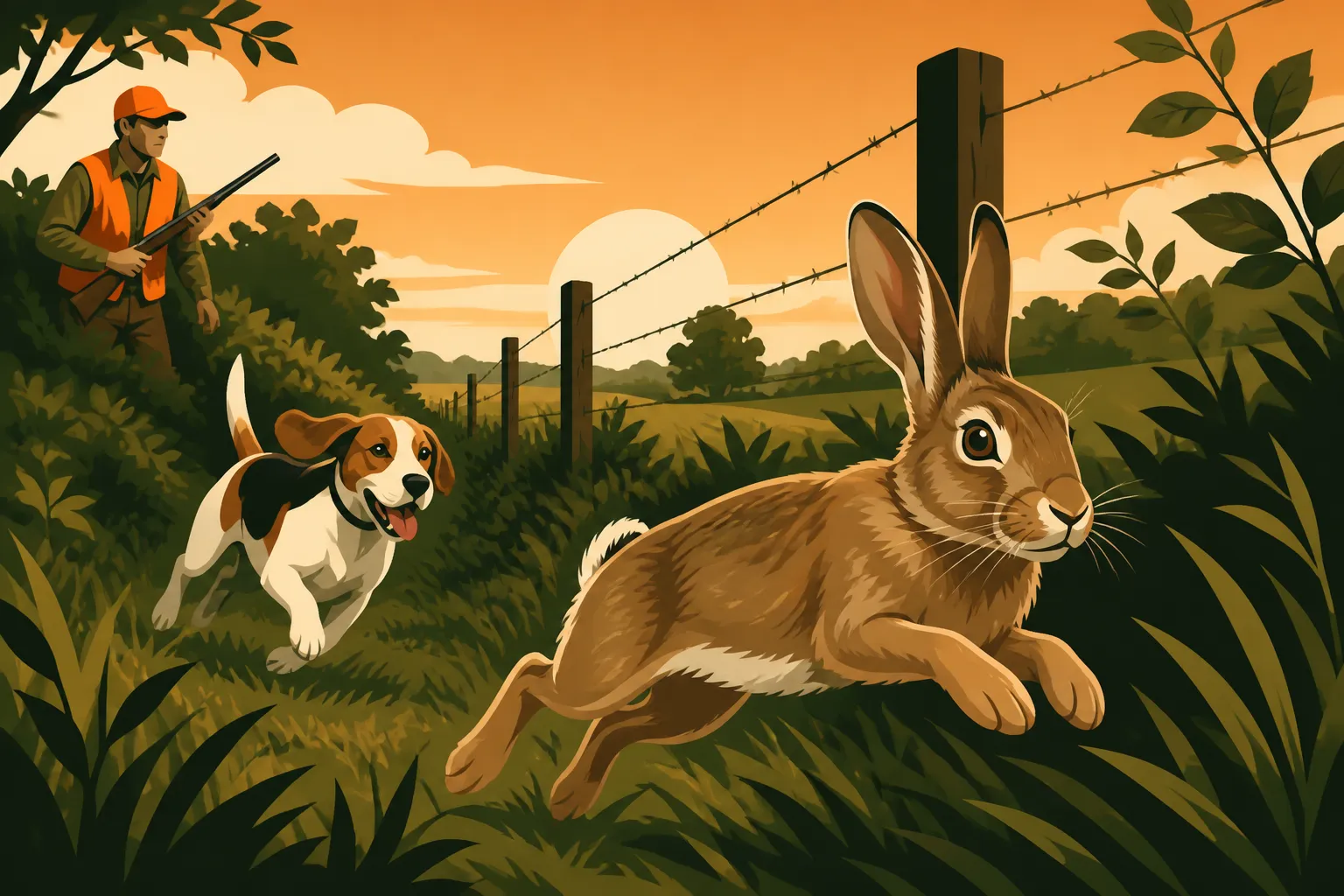
Fencerows, those often-overgrown strips of vegetation that separate fields or property lines, are absolute magnets for cottontail rabbits. Think about it: they provide an immediate linear travel corridor, dense overhead cover from hawks and owls, and thick brambles or honeysuckle at ground level to hide from foxes and coyotes. These narrow bands of cover also offer a buffet of forage, from tender green shoots that grow along the edges to fallen berries and seeds from the shrubs and small trees within. A good fencerow isn't just a place to hide; it's a supermarket and a safe house all rolled into one.
Moreover, these edges often border agricultural fields, which means a ready supply of food like clover, soybeans, or winter wheat. Rabbits can dart out, grab a quick bite, and be back in the protective tangle of the fencerow in seconds. The transition zone between field and forest, or field and overgrown fence, creates what biologists call an "edge effect," where different habitat types meet, often leading to a higher concentration of wildlife. This is why when you're scouting, you're not just looking for rabbit droppings; you're mentally mapping out these critical junctures. Many seasoned hunters even use tools like the mapping features in the GoHunt app to identify these prime fencerow habitats before they ever step foot in the field.
Other Prime Rabbit Haunts in North Carolina
While fencerows are phenomenal, North Carolina offers a variety of other excellent rabbit habitats worth exploring, especially if your initial fencerow scouting proves less fruitful. Think about those dense, often overlooked patches of brush, briar thickets, and even abandoned homesteads with their overgrown gardens and crumbling outbuildings. These spots provide the same critical elements: dense cover, food, and protection.
Another fantastic option, particularly in the Coastal Plain and Piedmont, are the edges of clear-cuts or young pine plantations where the ground cover is thick and unkempt. The early stages of reforestation often create an abundance of briars, tall grasses, and woody browse that rabbits absolutely thrive in. Similarly, creek bottoms, especially those with dense undergrowth along their banks, can be productive. The moisture often encourages lush vegetation, offering both food and cover. Don't be afraid to push through what looks like impenetrable cover – that's precisely where a cottontail wants to be. Learning to identify these diverse habitat types is key to successful rabbit hunting North Carolina brush, ensuring you have a backup plan if your primary fencerow spots aren't producing.
Essential Gear and Preparations for Rabbit Hunting
Rabbit hunting isn't typically seen as a gear-intensive endeavor, and that's largely true. You don't need expensive optics or specialized scent elimination systems. However, having the right basic equipment makes a huge difference in comfort, safety, and success. A little preparation goes a long way.
Shotguns and Ammunition Choices
For North Carolina rabbit hunting, a shotgun is almost universally the preferred tool. Its ability to put a pattern of shot on a fast-moving, unpredictable target in thick cover is unmatched. Most hunters opt for a 12-gauge or 20-gauge, and both are excellent choices. A 20-gauge is often lighter and produces less recoil, making it a favorite for younger hunters or those who prefer a more nimble firearm when pushing through briars. A 12-gauge offers a slightly denser pattern, which can be an advantage on longer shots or when hunting particularly wary rabbits. You might want to consider the overall shotgun gauge choice and how it fits your hunting style.
When it comes to ammunition, focus on smaller shot sizes like #6 or #7.5. These loads carry plenty of pellets to humanely dispatch a rabbit without causing excessive meat damage. Heavy game loads are simply overkill for rabbits. As for the gun itself, a pump-action or semi-automatic shotgun with an improved cylinder or modified choke is ideal. These chokes provide a good spread for close-range flushing shots, which are common when working fencerows. Before you head out, make sure your shotgun is clean, functional, and that you're comfortable handling it safely in brushy conditions.
Clothing and Footwear for North Carolina Cover
This isn't a fashion show; it's about protection and comfort. North Carolina's fencerows are often a tangle of briars, thorns, and tenacious vines. Investing in good quality brush pants or briar-resistant chaps is non-negotiable. Believe me, trying to push through a honeysuckle thicket in regular jeans will leave you regretting it almost immediately. These specialized garments will save your legs from countless scratches and punctures, allowing you to focus on the hunt, not the discomfort.
Beyond pants, consider a durable hunting jacket or vest with plenty of pockets for shells, a water bottle, and any small game you harvest. Bright orange is often a smart choice, especially if hunting with a group, to maximize visibility. Footwear is equally critical. You'll be walking, climbing over downed logs, and potentially wading through damp areas. Waterproof, comfortable boots with good ankle support are essential. You don't want to be limping back to the truck with sore feet or soaked socks. While some hunters focus on boots for walking North Carolina ridges, the principles of durability and water resistance apply perfectly to swampy fencerows.
Canine Companions Running Beagles
While it's absolutely possible to hunt rabbits solo or with a few walking hunters, there's a reason beagles and rabbit hunting are practically synonymous: they are incredibly effective. A well-trained beagle pack transforms the experience. Their keen noses can pick up a rabbit's scent trail, even an old one, and their distinctive baying lets you know they're on the chase. The beauty of running beagles on North Carolina cottontails is that they don't necessarily kill the rabbit; they push it in circles, often bringing it right back to where it was jumped or along familiar escape routes, which is where hunters can position themselves for a shot.
A good pack will methodically work through thick cover, flushing rabbits that a walking hunter might easily miss. They do the hard work of pushing through briars and navigating dense vegetation, leaving you to focus on listening for the chase and preparing for a shot. Training beagles is a long-term commitment, but the payoff in terms of successful hunts and pure enjoyment is immense. If you don't have your own dogs, consider joining a local hunting club or finding a friend with a pack; the camaraderie and the thrill of the chase with dogs are truly unique.
Strategies for Working North Carolina Fencerows
Hunting rabbits in fencerows is a game of strategy, patience, and understanding rabbit behavior. Whether you're alone or with a group, knowing how to effectively work these linear strips of cover can dramatically increase your success.
Solo Hunting Tactics and Stealth
Hunting rabbits alone along a fencerow requires a different approach than a group hunt. Stealth and methodical movement become your best friends. The key is to move slowly, deliberately kicking through thick patches of cover, stopping frequently to listen. Rabbits often won't flush immediately; they'll hold tight, hoping you pass them by. A brief pause can make a nervous rabbit bolt, giving you a shot. Think of it like still-hunting, but for small game.
Walk parallel to the fencerow, slightly inside or just on the edge of the field, always being mindful of safety and your surroundings. If the fencerow is particularly dense, zigzagging through it can be effective. Pay close attention to any changes in cover density – a sudden patch of honeysuckle or a brush pile could be holding a rabbit. If you jump a rabbit and miss, try to mark where it disappeared. Often, it will only run a short distance before diving back into the thickest cover available. Double back and re-work that section slowly. Remember, sometimes the best rabbit hunting happens when you cover ground others walk past, finding those small, overlooked pockets.
Group Hunts and Driving Techniques
Group hunts, especially with a few willing participants, can be incredibly effective for working extensive fencerows. The strategy often involves a combination of "drivers" and "blockers." Drivers push through the fencerow, making noise and kicking cover, while blockers position themselves ahead along likely escape routes or at the ends of the fencerow. Rabbits, when pressured, tend to run down the length of the fencerow, or cut across an open field to another patch of cover. This is where the blockers come in.
Effective communication is paramount in a group hunt. Everyone needs to know their role, their safe shooting lanes, and the direction of the push. Before starting, walk the fencerow and identify any potential cut-throughs or thicker sections that might require a concentrated effort. If you have beagles, they become your primary drivers, their excited barks signaling the chase and keeping the rabbits moving. For hunters interested in similar tactics on bigger game, the principles of deer drives with three or four hunters can offer valuable insights into coordinating movement and positioning.
Reading Sign and Anticipating Flushes
Rabbits are masters of leaving subtle clues, and learning to read these signs is a skill that comes with practice. Look for droppings – small, round pellets, often found in concentrated areas where rabbits feed or rest. Chew marks on low vegetation, especially during winter when food is scarcer, can also indicate their presence. Worn trails, barely visible through the undergrowth, are another strong indicator of frequent rabbit travel.
Beyond physical sign, understanding where a rabbit is likely to flush is crucial. They favor the densest cover, often along the bottom of the fencerow or in the deepest part of a briar thicket. When you approach such a spot, anticipate a flush. Keep your gun ready, eyes scanning, and be prepared for a sudden burst of speed. If you're working a particularly long fencerow that ends at a larger patch of woods or another field, you can almost guarantee a rabbit will try to make a run for that sanctuary. Position yourself accordingly, always prioritizing safety and clear backstops. Using mapping software like GoHunt can help you identify these "pinch points" and thicker cover patches visually before you even get boots on the ground.
Navigating Regulations and Access
Hunting rabbits in North Carolina, like any other game, comes with rules and requirements. Understanding these, especially concerning seasons and private land access, is critical for a legal and ethical hunt.
North Carolina Rabbit Season Rules
The North Carolina Wildlife Resources Commission (NCWRC) sets the seasons and bag limits for small game, and rabbits are typically open for a generous period, usually starting in mid-October and running through February. This long season offers ample opportunity to get out in the field, even during the late season when other game seasons might be winding down. However, specific dates can vary slightly year to year, so it's always best to consult the current North Carolina Small Game Season Rules or the latest NCWRC digest before you head out. Checking the official North Carolina Rabbit Season Opening Day is a great habit to ensure you're always legal.
Bag limits are usually quite liberal for rabbits, often set at five per day per hunter, which means a productive morning can yield a good harvest for the dinner table. Remember that all hunters must possess a valid North Carolina hunting license. If you're hunting on Game Lands, you'll likely need a Game Lands license in addition to your basic hunting license. Always double-check county-specific regulations, if any, and be aware of any restrictions related to Sunday hunting, which typically prohibits the use of firearms for hunting on Sundays, though some exceptions exist for private land.
Securing Permission for Private Land
While public hunting land in North Carolina offers some opportunities, the best rabbit hunting often happens on private farms, especially along those prime agricultural fencerows. This means asking for permission. Don't be shy! Many landowners are more than happy to grant access, especially if you offer to help manage populations of rabbits that might be nibbling on their crops or if you offer some of your harvest.
When you approach a landowner, be polite, respectful, and prepared. Introduce yourself, state your intentions clearly, and offer to provide your contact information. Reassure them you'll be safe, clean up after yourself, and respect their property. Asking a North Carolina farmer for permission is a time-honored tradition that builds relationships and opens up incredible hunting opportunities. Sometimes, a simple handshake and a promise to close gates and respect boundaries are all it takes. Once you have permission, stick to your word, and perhaps even offer to share some of your processed rabbits as a thank you. Building these positive relationships is the cornerstone of securing long-term private land access.
Post-Hunt Care and Enjoying Your Harvest
Successfully hunting rabbits is just one part of the equation. Proper post-hunt care ensures your hard-earned quarry makes it to the table in prime condition, ready to be enjoyed.
Field Dressing and Storage for Quality Meat
Once you've harvested a rabbit, the clock starts ticking, especially on warmer days. Field dressing promptly is crucial for maintaining meat quality. This typically involves gutting the animal to allow the carcass to cool down quickly. Many hunters also choose to skin the rabbit in the field, which further aids cooling and reduces weight for carrying. If you're new to it, there are plenty of online tutorials, but generally, a sharp knife and a clean surface are all you need. Start by making an incision along the belly, taking care not to puncture the intestines, and then carefully remove the entrails.
After field dressing and possibly skinning, get the rabbit cooled down as quickly as possible. If it's a cold winter day, hanging the carcass in a cool, shaded spot might suffice, but for any moderate temperatures, putting it on ice in a cooler is best. When you get home, if not already skinned, remove the hide and clean any remaining hair or debris. The cleaned carcasses can then be quartered or left whole, ready for cooking or freezing. Properly handled, rabbit meat is incredibly lean and delicious, a true testament to the best-eating game in North Carolina.
Culinary Delights with North Carolina Cottontails
Rabbit meat is a lean, flavorful protein that lends itself to a variety of cooking methods. It's often compared to chicken, but with a richer, slightly gamier flavor that hints at its wild origins. One classic preparation is fried rabbit, a Southern staple that involves breading the pieces and frying them until golden brown and crispy. This is particularly good with a side of mashed potatoes and gravy.
Another popular option is slow-cooked rabbit. Braising rabbit in a rich sauce with vegetables like carrots, onions, and potatoes yields tender, fall-off-the-bone meat that's perfect for a hearty winter meal. Think rabbit stew or rabbit cacciatore. You can also roast a whole rabbit or use the meat in pies, pasties, or even rabbit and dumplings. Don't be afraid to experiment with different spices and marinades to complement its natural flavor. From simple pan-fries to elaborate stews, the culinary possibilities with a North Carolina cottontail are endless, making all that effort pushing through the fencerows incredibly worthwhile.
Disclaimer
Always consult the latest North Carolina Wildlife Resources Commission regulations before hunting. Hunting laws and seasons can change, and it is the hunter's responsibility to be aware of and comply with all current rules and regulations.