Freezing and Shipping Game Meat
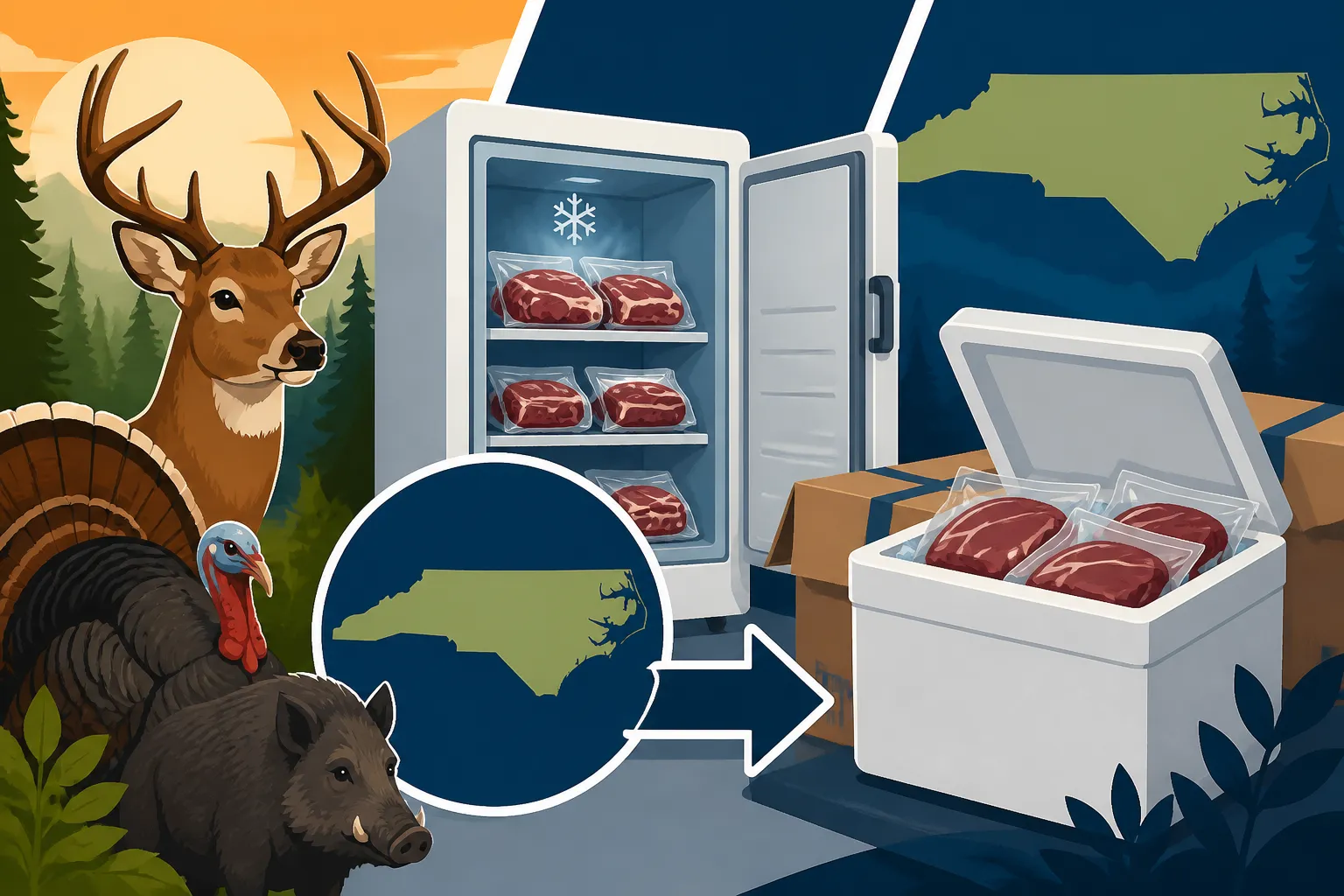
You've just wrapped up a successful hunt here in North Carolina, maybe you finally tagged that elusive buck in the mountains or put down a couple of big hogs in the coastal plain. Now what? You're staring at a freezer full of incredible wild game meat, or perhaps you're hundreds of miles from home and need to get your harvest back to your own kitchen. The thought of processing, freezing, and especially shipping that precious meat can feel overwhelming, but don't you worry – we've all been there, and I'm here to walk you through how to properly handle your game to ensure it arrives at its destination in peak condition, ready for the dinner table.
Proper Freezing Techniques for Long-Term Storage
The journey for your game meat starts long before it ever sees a shipping label. How you freeze it initially dictates its quality down the line, whether it's sitting in your home freezer for months or destined for a cross-country trip. Getting this right is paramount to enjoying your harvest.
Initial Meat Preparation
First things first, after a successful hunt, proper field dressing is crucial. You want to get that animal cooled down as quickly as possible. Once you're back at camp or your processing station, the real work begins. This involves meticulous trimming of all silverskin, fat, and any blood-shot areas. Wild game fat can go rancid quickly, imparting an off-flavor, so be diligent here. For deer, many hunters choose to age their venison for a few days in a controlled, cool environment, which can tenderize the meat and enhance flavor. Make sure you understand how to do this safely, keeping temperatures consistently low to prevent bacterial growth. If you’re processing a large animal like a deer or bear, a good breakdown can make all the difference, and understanding techniques like boning out a deer can save space and make subsequent steps easier. Field Dressing a Deer in Cold Weather and Butchering a Deer at Camp offer excellent deep dives into these initial steps.
Once trimmed, decide on your cuts. Will you have steaks, roasts, ground meat, or stew cubes? Portion your meat into meal-sized servings. Thinking ahead about how you’ll cook it will save you time and freezer burn headaches later. For instance, if you usually cook venison burgers for four, package enough for that meal. This prevents you from thawing a massive block of meat only to refreeze half of it, which significantly degrades quality. Remember, the goal here is to preserve flavor and texture, so don't rush this crucial stage.
Cleanliness is next to godliness when it comes to game meat. Ensure all surfaces, knives, and hands are scrupulously clean to prevent contamination. If you’re dealing with an animal harvested in one of North Carolina's Chronic Wasting Disease Areas, you'll have additional considerations for handling and processing, especially regarding carcass parts. This careful preparation stage truly sets the foundation for delicious, long-lasting game meat, whether it stays in your freezer or travels far.
Packaging Methods
The enemy of frozen meat is air. Air leads to freezer burn, which dehydrates the meat and gives it a tough, unappetizing texture and flavor. Your primary goal with packaging is to create an airtight seal.
Vacuum sealing is, without a doubt, the gold standard. A good vacuum sealer removes all the air from around the meat, creating a tight, impenetrable barrier. This method can preserve meat quality for a year or even longer in a well-maintained freezer. When using a vacuum sealer, make sure the meat is slightly dry on the surface to ensure a good seal, and always double-check your seal after the bag cools. For smaller, irregularly shaped pieces, you might want to slightly freeze them first, known as "flash freezing," so they hold their shape better during the vacuum sealing process. Many hunters swear by their home vacuum sealers, making them an essential part of their Meat Care Gear for North Carolina Hunters.
If you don't have a vacuum sealer, freezer paper is a decent alternative, but it requires proper technique. You need to wrap the meat very tightly, eliminating as much air as possible, then secure it with freezer tape. The trick is to "butcher wrap" it, ensuring multiple layers of paper with no exposed edges. While effective, it generally doesn't offer the same long-term protection as vacuum sealing. Another method for ground meat or stew cubes is water submersion. Place the meat in a freezer-safe container, cover it completely with water, and freeze. The ice acts as a barrier to the air. This works well for items you plan to use within a few months but isn’t ideal for shipping due to added weight.
Regardless of the method, make sure to label everything clearly: type of meat (e.g., "venison loin"), cut (e.g., "steaks"), and the date it was packaged. This organization is key to proper freezer management and ensures you’re rotating your stock.
Freezer Management
Once packaged, your meat needs the right home. Your freezer should ideally be set at 0°F (-18°C) or colder. A consistent temperature is vital; frequent fluctuations, like those caused by an overloaded freezer or a freezer door that's often open, can lead to thaw-refreeze cycles that degrade meat quality.
Organize your freezer effectively. Group similar cuts together and ensure older packages are more accessible so you use them first. A good practice is "first in, first out." If you're a serious hunter or plan on processing a lot of game, a dedicated chest freezer is often a wise investment. They tend to hold temperature better and offer more consistent freezing than the freezer compartment of your kitchen refrigerator.
Avoid overloading your freezer with warm, unfrozen meat all at once. This can raise the internal temperature of the freezer and slow down the freezing process for all items, which can negatively impact meat quality. Instead, add batches gradually, allowing each to freeze solid before adding more. Proper freezer management will ensure that when you finally pull out that package of venison, it's just as good as the day you put it in, whether it's for a meal at home or for a special occasion far away.
Preparing Game Meat for Shipping
Shipping game meat isn't just about throwing it in a box. There's a science to it, especially when dealing with perishable goods that need to maintain a deep freeze for potentially several days.
Thawing and Repackaging Considerations
Generally speaking, you should ship meat that has been fully frozen and is still in its original, airtight packaging. Refreezing meat that has thawed, even partially, will compromise its quality. So, if your meat has been frozen, then thawed for some reason, it's usually best to cook it before refreezing, or consume it quickly. For shipping, the goal is to keep it rock-solid frozen from start to finish.
If you harvested the meat, had it processed by a local butcher, and then realize you need to ship it later, ensure that the processor's packaging is suitable for freezing and shipping. Many commercial processors use heavy-duty freezer wrap and sometimes vacuum seal, which is perfect. If their packaging seems flimsy, or if you're concerned about freezer burn over a long journey, it might be worth repackaging it yourself using one of the methods discussed earlier, particularly vacuum sealing. You want zero doubt about the integrity of that package before it leaves your hands.
Choosing the Right Cooler and Insulation
The container you use for shipping is critical. You'll need a sturdy, well-insulated cooler. Styrofoam coolers are inexpensive and lightweight, often sufficient for shorter trips or when packed inside a cardboard box. However, for longer transit times or when shipping valuable cuts, a heavy-duty rotomolded cooler will provide far superior insulation. Brands like YETI, RTIC, or Orca are popular for a reason – they hold cold incredibly well.
Beyond the cooler itself, internal insulation plays a huge role. Lining the cooler with additional Styrofoam sheets or even crumpled newspaper (which acts as an insulator) can add an extra layer of protection. The key is to minimize any empty air space within the cooler, as air pockets can lead to quicker temperature loss. Pack the meat tightly, filling any remaining gaps with more insulation or even crumpled plastic bags. For hunters planning long trips, tools like GoHunt's mapping features can help you locate suitable stores for purchasing coolers or dry ice along your route, ensuring you're prepared even in unfamiliar territory.
Consider the dimensions and weight. Shipping costs are often based on both. While you want good insulation, you don't want to pay exorbitant fees for an oversized, empty-feeling box. Maximize the amount of meat per cooler while keeping it within manageable weight limits for both handling and cost efficiency.
Dry Ice vs. Gel Packs for Temperature Control
When it comes to keeping your game meat frozen solid during transit, you primarily have two options: dry ice or gel packs. Each has its pros and cons.
| Feature | Dry Ice | Gel Packs |
|---|---|---|
| Material | Solid carbon dioxide (-109.3°F / -78.5°C) | Water-based polymer (typically 0°F / -18°C) |
| Temperature | Extremely cold, keeps items deep-frozen | Maintains frozen or refrigerated temperatures |
| Longevity | Sublimes (turns to gas) over time | Thaws into liquid over time |
| Safety | Handle with gloves, ventilate space | Non-toxic, generally safe to handle |
| Weight | Relatively light for its cooling power | Heavier than dry ice for comparable cooling |
| Availability | Specialty stores, some grocery stores | Widely available, reusable |
| Shipping Rules | HAZMAT considerations, special labeling | Fewer restrictions |
| Ideal Use | Deep freezing, long transit, sensitive items | Maintaining frozen/cold, shorter transit |
Dry ice is significantly colder than regular ice or gel packs. It's ideal for keeping items completely frozen for extended periods, making it a great choice for game meat, especially if you anticipate a transit time of 24-48 hours or more. The caveat is that dry ice is a hazardous material due to its extreme cold and the carbon dioxide gas it releases as it sublimates. You must handle it with gloves and ensure good ventilation in any vehicle transporting it. Shipping carriers have specific rules for dry ice, including weight limits and labeling requirements, which we'll delve into shortly.
Gel packs, on the other hand, are safer and easier to handle. They maintain a frozen or very cold temperature but won't achieve the deep freeze of dry ice. They're best for shorter transit times (under 24 hours) or for keeping already frozen items cold rather than actively freezing them. They also add more weight to your package than dry ice, which can impact shipping costs. A common strategy is to use a combination: dry ice on the bottom for deep freezing, and a layer of gel packs on top or around the meat for supplementary cold. Always place dry ice on the bottom of the cooler, as cold air sinks.
Navigating Shipping Regulations and Logistics
This is where things can get a little tricky. Shipping game meat involves understanding not just the logistics of the shipping company, but also state and federal laws, especially concerning wildlife and disease.
General Shipping Company Rules
Major carriers like FedEx and UPS do ship perishable goods, but they have strict requirements. You typically need to use their express or overnight services for perishable items, guaranteeing the quickest transit time possible. Standard ground shipping is almost always a no-go for frozen meat, as it takes too long. Always check the specific carrier's guidelines, as they can change.
When using dry ice, there are specific regulations. Both FedEx and UPS consider dry ice a hazardous material. You'll need to use their approved hazardous materials labels, declare the weight of the dry ice, and ensure your packaging allows for the release of CO2 gas (i.e., don't tape the cooler completely shut, but ensure it's secure). The cooler should also be clearly marked with the contents as "frozen food" or "perishable." The outer cardboard shipping box must also be sturdy and capable of containing the cooler safely. It's always best to pack your cooler inside a larger corrugated box for added protection.
Prepare your labels and documentation carefully. Ensure the recipient's address and your return address are accurate and clearly visible. Online tools can help generate shipping labels and track your package, but don't assume the carrier knows what's inside unless you declare it properly.
State and Federal Regulations for Game Meat
This is arguably the most critical and often overlooked aspect. Transporting game across state lines, or even within certain zones of North Carolina, can be subject to specific wildlife laws. The Lacey Act, a federal law, prohibits the trafficking of illegally harvested wildlife. While your legally harvested North Carolina deer might be perfectly fine, you need to be aware of regulations in both the state of origin (North Carolina) and the destination state.
A major concern in recent years is Chronic Wasting Disease (CWD). North Carolina has North Carolina's Chronic Wasting Disease Areas, and there are strict North Carolina Carcass Movement Restrictions in place. If your game was harvested in a CWD-affected county, you generally cannot transport certain carcass parts (like the brain, spinal cord, or lymph nodes) out of that county or state, regardless of your destination. Often, only deboned meat, hides, and cleaned skull plates are allowed to cross borders from CWD areas. Always check the wildlife agency websites for both your departure and arrival states for the most current rules. Violations can lead to significant fines and penalties. For hunters who have harvested an animal in a CWD-management area, getting it tested at one of the North Carolina CWD Testing for Hunters locations might be a good idea, though often not legally required for meat transport if you follow deboning rules.
Some states also have rules about importing certain species or require permits. For example, if you're shipping bear meat, check both states for any specific regulations regarding bear. Ignorance of the law is not an excuse, so do your homework thoroughly before you ever package that first steak.
Documentation and Labeling Requirements
To avoid any headaches, proper documentation and labeling are paramount. When shipping game meat, especially across state lines, it's wise to include a copy of your hunting license and the tag associated with the animal inside the package, clearly visible. You might also want to include a simple letter stating the contents (e.g., "Legally harvested North Carolina venison, deboned") and your contact information.
On the exterior of the package, in addition to the carrier's labels, clearly mark "PERISHABLE – FROZEN WILD GAME MEAT" or similar. If using dry ice, label it according to the carrier's HAZMAT guidelines, including the weight of the dry ice and the appropriate UN number. Many carriers provide these labels. It’s better to over-label than under-label, ensuring everyone handling the package knows exactly what it contains and how to treat it.
Make sure your contact information is not just on the shipping label, but also inside the box, in case the outer label becomes damaged. This meticulous approach will significantly reduce the chances of your precious game meat getting held up, delayed, or even discarded.
Practical Tips and Troubleshooting
Even with the best planning, sometimes things don't go exactly as expected. Having a few contingency plans and knowing some practical tips can save your game meat from disaster.
Timing Your Shipment
Timing is everything. Always ship your perishable game meat early in the week, ideally on a Monday or Tuesday, using an overnight or two-day express service. This ensures that even if there's a slight delay, your package will likely arrive before the weekend. Shipping on a Thursday or Friday for an overnight delivery dramatically increases the risk of your package getting stuck in a shipping hub over the weekend if any unexpected delay occurs, leading to certain spoilage. Most shipping companies do not deliver perishable goods on Sundays.
Be mindful of holidays. Shipping around major holidays (like Thanksgiving or Christmas) is asking for trouble. Increased package volume and altered delivery schedules are a recipe for delays. If you must ship around a holiday, plan well in advance and consider adding extra dry ice for prolonged cold retention. If you're coordinating with a friend or family member, make sure they know when to expect the package and are available to receive it immediately. A package left on a porch in the North Carolina sun, even for an hour, can cause issues.
Using a reliable tracking service provided by the carrier is non-negotiable. Monitor your package's journey and communicate with the recipient so they can be ready at the expected delivery time.
Contingency Planning
What happens if there's a delay? Or if the package is damaged? Having a backup plan is crucial. First, always document your shipment. Take photos of your packaged cooler, the labels, and the overall condition before handing it over to the carrier. This can be invaluable if you need to file a claim.
Consider purchasing shipping insurance, especially for valuable cuts of meat or if the emotional value of your harvest is high. While insurance won't replace your memories, it can at least cover the monetary cost of the meat and shipping. If you anticipate extreme weather at either end of the journey (heatwaves, blizzards), it's often best to delay shipping if possible, or pack extra heavy on the dry ice.
For very critical shipments, some hunters choose to use a local, professional meat processor who also offers shipping services. These businesses often have established relationships with carriers and expertise in handling large volumes of perishable goods, mitigating many of the risks you might face as an individual shipper.
Leveraging Resources
You don't have to navigate this alone. There are numerous resources available to help you. The North Carolina Wildlife Resources Commission (NCWRC) website is your first stop for current hunting regulations, including any North Carolina Deer Bag Limit Rules or carcass transport restrictions. Similarly, check the wildlife agency websites for your destination state.
Online hunter forums and social media groups are also fantastic places to ask specific questions and learn from the experiences of others. Many seasoned hunters have shipped meat across the country and can offer practical advice and recommendations for specific carriers or packaging methods.
Don't forget local resources. Your local butcher or a taxidermist might be able to offer advice or services related to meat handling and shipping. Sometimes, paying a little extra for professional help can save you a lot of headache and ensure your hard-earned harvest makes it to your plate. When planning your hunting adventures, integrating tools like GoHunt can help you scout and plan effectively, ensuring you're ready for every stage from field to freezer, and even shipment.
Disclaimer
This article is for general informational purposes only and does not constitute professional advice. Laws, prices and regulations vary by location and change over time. Consult a qualified professional for guidance on your specific situation.