Currituck County Sound-Side Access
Hunting the vast, intricate sound-side regions of Currituck County can feel like trying to solve a puzzle with half the pieces missing. Many hunters feel overwhelmed by the sheer amount of water, the seemingly impenetrable marsh, and the constant question of where public access truly begins and ends. This guide is here to untangle that complexity, offering practical advice and breaking down exactly how to navigate and hunt the unique sound-side environment of Currituck, helping you unlock its incredible potential.
Understanding Currituck's Unique Sound-Side Landscape
Currituck County, sitting squarely in North Carolina's northeastern corner, presents a hunting landscape unlike almost anywhere else in the state. While it’s renowned for its incredible waterfowl opportunities, it also offers hidden gems for deer and even feral hogs in the transition zones. However, this isn't your typical Piedmont hardwood hunt or a mountain ridge stalk; it's a world dominated by brackish water, shifting sands, dense marsh grass, and a constant interplay between land and sea.
The Allure and Challenges of Sound-Side Hunting
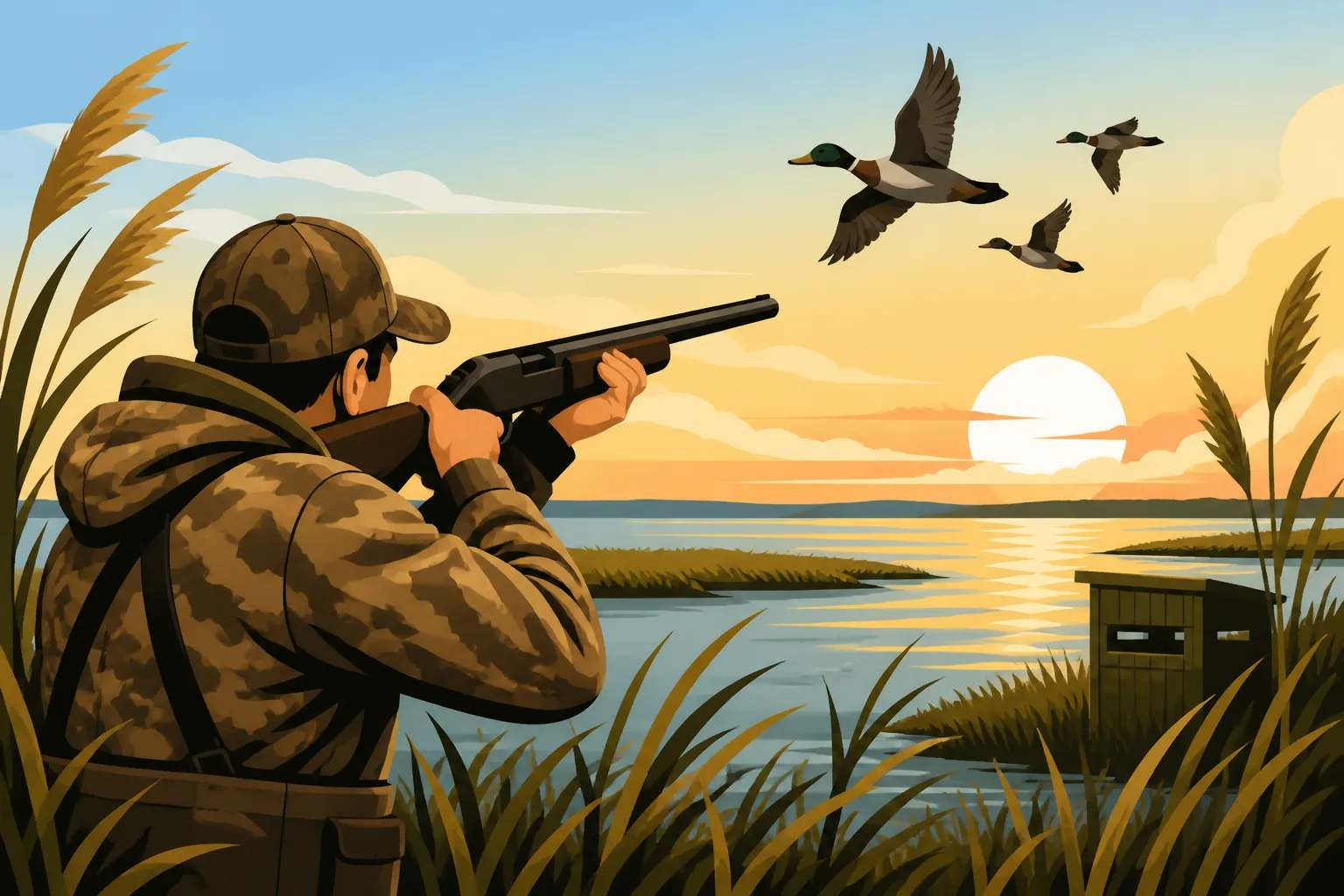
The allure of Currituck's sound side is immediate: imagine watching flocks of pintails cup their wings over a vast expanse of water at dawn, or tracking a mature buck through thick marsh grasses on a remote island. The ecosystem here is incredibly rich, supporting a diverse array of wildlife. Waterfowl are, of course, the main draw, with countless ducks and geese migrating through the North Carolina Waterfowl Zones and Seasons each year, using the sound as a vital wintering ground. But don't overlook the potential for deer, especially those surprisingly large-bodied bucks that thrive on the coastal browse, and even the ever-present feral hogs that root through the pocosin edges.
However, these riches don't come easy. The challenges are significant. Much of the sound-side property is privately owned, often held by long-standing hunting clubs or large landholders, making private land access notoriously difficult to secure. The terrain itself is demanding, characterized by shallow waters, deep mud, dense marsh, and thick, often thorny vegetation. Water access is paramount, requiring specialized boats and a keen understanding of navigation. You're constantly battling the elements, from biting wind and cold to sudden storms that can turn a calm morning into a treacherous ordeal. This isn't a place for the faint of heart, but for those willing to put in the effort, the rewards can be truly spectacular.
Key Geographic Features and Their Impact on Access
To successfully hunt the Currituck sound side, you need to become an amateur geographer. The sound itself is predominantly shallow, often just a few feet deep, but it's vast. This shallow nature dictates the type of watercraft you'll need – typically flat-bottomed jon boats or specialized marsh boats that can operate in minimal water. Deeper channels exist, often maintained for navigation, but straying from them can leave you high and dry, especially during low tides or strong west winds that push water out of the sound.
Interspersed throughout the sound are countless marsh islands, ranging from tiny humps of spartina grass to larger, more stable islands with pockets of higher ground, scrubby pines, and dense pocosin vegetation. These islands are crucial travel corridors and bedding areas for deer and hogs, and key roosting and feeding sites for waterfowl. Accessing them usually requires navigating shallow water, often poling or trolling through dense grass. Further inland, the sound transitions into a mosaic of coastal plain forests, agricultural fields, and extensive pocosin swamps. These transition zones, where the high ground meets the marsh, are prime hunting spots, offering cover, food, and escape routes for game. Understanding where these features lie and how they connect is critical for developing an effective hunting strategy. Remember to always consult detailed maps and even satellite imagery to identify these subtle but important transitions.
Navigating Public Access Points in Currituck Sound
While private land dominates much of Currituck County, there are still crucial public access opportunities for the persistent hunter. Knowing where these areas are and how they are managed is the first step toward planning a successful sound-side hunt. It often involves understanding specific regulations that differ from more generalized state-wide rules.
North Carolina Game Lands and Waterfowl Impoundments
North Carolina's Game Lands system provides some valuable access in and around Currituck, though often you'll be looking at specific tracts rather than vast, open expanses right on the primary sound. Areas like Northwest River Marsh Game Land, for instance, offer some fantastic waterfowl opportunities. These game lands often have designated parking areas and boat launches, which are your gateways to the vastness of the sound. However, don't expect wide, easily navigable channels everywhere; many launches may lead to winding, shallow creeks that require careful navigation.
Some game lands within the broader coastal region, even if not directly on the Currituck Sound itself, will have managed waterfowl impoundments. These are areas where water levels are controlled to create ideal feeding habitats for ducks and geese. Access to these impoundments is often managed through permit-only draw hunts, especially during peak seasons, due to their popularity. It's vital to check the NC Wildlife Resources Commission (NCWRC) website well in advance for application deadlines and specific rules for these draws. While not strictly "sound-side" in the traditional sense, these impoundments offer fantastic hunting and are often located just a stone's throw from the sound, influencing bird movement in the larger area. Always remember that a North Carolina Game Lands License Requirements is typically necessary for hunting these areas.
National Wildlife Refuges and Their Regulations
Adjacent to Currituck Sound, you'll find federally managed National Wildlife Refuges, such as the famous Currituck National Wildlife Refuge Waterfowl Access and others like Mackay Island National Wildlife Refuge. These refuges are critical wintering grounds for migratory birds and often offer some of the best waterfowl hunting opportunities in the region, but they come with very strict, often complex, regulations.
Hunting on a National Wildlife Refuge typically requires specific permits, which are often obtained through an application and drawing process. These hunts are generally highly regulated regarding hunt days, bag limits (sometimes differing from statewide limits, so check North Carolina Duck and Goose Bag Limits carefully), weapon types, and even the specific areas you can access. For instance, some areas may be open for general access on certain days, while others are strictly permit-only. It's not uncommon for specific areas within a refuge to be closed to all entry, or open only for non-hunting recreational uses like birdwatching. Always, always check the individual refuge's specific hunting plan and regulations before you even consider heading out. Ignorance of the rules here can lead to heavy fines and the loss of hunting privileges.
Essential Considerations for Sound-Side Hunting
Hunting the Currituck sound side is an endeavor that demands respect for the environment and a thorough understanding of the unique challenges it presents. It's not just about finding game; it's about getting there safely, staying safe, and being prepared for whatever Mother Nature throws your way.
Watercraft Requirements and Safety
A reliable watercraft is absolutely non-negotiable for sound-side hunting. This is not a place you can typically access on foot, especially if you plan to reach the more productive marsh islands or remote pocosin edges. Your typical deep-V fishing boat won't cut it here; the shallow waters and frequent mud flats demand a shallow-draft vessel. Think jon boats, flat-bottomed skiffs, or even specialized marsh boats designed for extremely shallow conditions. A stout outboard motor is essential, but often you'll find yourself needing a push pole or even a mud motor for truly shallow and vegetated areas.
Safety on the water cannot be stressed enough. The sound can be deceptively calm one moment and turn into a white-capped beast the next, especially with strong winds. Always carry all required safety gear: life jackets (wear them!), throwable flotation devices, a working horn or whistle, navigation lights, and a fire extinguisher. File a float plan with someone reliable, letting them know where you're going and when you expect to return. Consider a GPS or a reliable mapping app like onX Hunt on your phone, and definitely have a backup communication device, whether it's a marine radio or a satellite messenger, as cell service can be spotty. Strong currents can develop, especially near inlets or during tidal movements, making navigation tricky. Understanding how to anchor properly in soft mud is also a skill you'll want to master.
Understanding Tides, Weather, and Water Levels
Unlike inland hunting, where weather primarily affects comfort and game movement, on the sound side, weather and water levels directly impact your ability to even access your hunting spot. Tides, while not as dramatic as ocean tides, do influence water levels in the sound, especially closer to the inlets. A low tide can leave vast areas impassable by boat. Even more impactful are strong winds, particularly those from the west or northwest, which can push water out of the sound, dropping levels significantly and potentially stranding boats. Conversely, strong easterly winds can pile water into the sound, flooding normally dry marsh and impacting deer and hog movements.
Before every trip, you must check marine weather forecasts, wind directions and speeds, and any available tide charts or water level predictions. A small craft advisory isn't just a suggestion; it's a warning that the sound can become dangerous very quickly. Hunting in heavy fog or rain can also be extremely disorienting in such a vast, featureless environment. Always prioritize safety over getting to a particular spot. Being flexible with your plans based on weather and water conditions is a hallmark of a successful sound-side hunter.
Special Regulations and Season Overlaps
Currituck's sound-side hunting comes with a unique set of regulations, especially for waterfowl. Beyond your standard North Carolina Resident Hunting License Options and North Carolina Big Game Privilege Requirements, if you're chasing ducks and geese, you'll need a state waterfowl privilege license, a Federal Duck Stamp (a mandatory North Carolina Federal Duck Stamp Requirement), and North Carolina HIP Certification for Bird Hunters. This isn't optional; these federal and state requirements are strictly enforced.
For deer and hogs, the North Carolina Deer Season Structure Explained applies, but remember that the coastal zones can have different specific dates than the Piedmont or Mountains. You'll also need to be mindful of North Carolina Deer Reporting Requirements. It's crucial to consult the latest North Carolina Inland Fishing, Hunting & Trapping Regulations Digest annually, as rules can change. Additionally, keep an eye out for potential season overlaps. You might be hunting ducks in the morning and then transitioning to a deer hunt in the afternoon, which means you need to be aware of the specific legal requirements for each species, including firearm or bow restrictions, bag limits, and any blaze orange requirements that might apply if gun deer season is open. Be particularly aware that many waterfowl areas require the use of nontoxic shot, even if you’re hunting other species in the same vicinity.
Practical Tips for a Successful Currituck Sound-Side Hunt
Hunting the sound side of Currituck is an adventure, and like any grand adventure, preparation is key. Going in blind is a recipe for frustration, or worse, danger. Arming yourself with knowledge, the right gear, and a healthy respect for the environment will dramatically increase your chances of success and enjoyment.
Scouting and Digital Tools for Success
Scouting is paramount, but it looks a little different on the sound side. Instead of walking miles through timber, you'll be spending a lot of time on your computer or phone before you even launch the boat. Digital mapping tools are your best friend here. Platforms like onX Hunt or GoHunt offer invaluable satellite imagery that lets you identify public land boundaries, differentiate between open water, dense marsh, and more solid ground. You can pinpoint potential duck blinds, shallow channels, "islands" that might hold deer, or pocosin edges where hogs are likely to root. Look for subtle changes in vegetation, water depth markers, or old dredge spoils that might create higher ground.
Once you have a general idea, consider making a few scouting trips by boat, preferably when hunting pressure is low. Pay attention to tide lines, fresh tracks along marsh edges, and areas of disturbed vegetation. Listen for bird activity. Use the NC Wildlife Resources Commission's "NC Wildlife" mobile app, which often integrates game lands and refuge boundaries directly, along with boat ramp locations. Remember that what looks like solid ground on a satellite image might be chest-deep mud in reality, so physical scouting, even if limited, can prevent big headaches. Don't forget that Reading a Sound-Side Marsh for a Morning Flight will teach you a lot about bird movement in this specific environment.
Gear and Clothing for the Wet Environment
Your gear list for Currituck sound-side hunting will be heavier on waterproof and cold-weather items than for almost any other type of North Carolina hunt. First and foremost, good quality chest waders are essential. You'll be getting out of the boat, pushing through mud, and wading to set decoys or retrieve game. Choose insulated waders for the colder months, as the water temperatures can be frigid. Layering your clothing is critical to staying warm and dry. Think waterproof outer shells, insulated jackets, and moisture-wicking base layers. Wool or synthetic materials are far superior to cotton in a wet, cold environment.
Beyond clothing, a sturdy decoy bag, capable of holding a dozen or more decoys, is a must for waterfowl hunters. A reliable headlamp or spotlight is crucial for navigating in the pre-dawn darkness and post-sunset twilight. A long, strong push pole is invaluable for silently navigating shallow areas where an outboard might spook game or get stuck. Consider a high-quality dry bag to protect your electronics, extra layers, and food. For those longer treks, comfortable, waterproof boots are essential, even if you're not in waders all day. If you're hunting deer or hogs in Hunting Coastal Plain Pocosin Swamps, protective brush pants can save your legs from thorny vines. Don't underestimate the need for good gloves that can get wet but still keep your hands warm.
Minimizing Impact and Respecting Fellow Hunters
Given the unique nature of sound-side hunting, often involving shared public waters and sometimes limited access points, ethical behavior and respect for others are paramount. Hunting pressure can be intense, especially on opening day for waterfowl. Arrive early to your chosen public access point, but be mindful of other hunters. Maintain a reasonable distance from other blinds or boats that are already set up. If you're pass-shooting, ensure you're not interfering with another hunter's decoy spread.
When scouting or moving through areas near private land, always be acutely aware of boundary lines. Use your digital mapping tools (like onX Hunt) to confirm you're on public ground. Retrieving game that crosses onto private land requires permission, and trespassing is never an option. Pack out everything you pack in, and leave no trace of your presence. The sound-side environment is fragile, and preserving its beauty and productivity for future generations is a shared responsibility. By being courteous, prepared, and respectful, you contribute to a positive hunting culture and ensure continued access to this truly special part of North Carolina.
| Access Type | Primary Game Species | Typical Access Method | Key Regulations/Considerations |
|---|---|---|---|
| Game Lands | Waterfowl, Deer, Hogs | Boat via designated ramps | State hunting license, Game Lands permit, specific area rules |
| National Wildlife Refuges | Waterfowl (Primary), Deer | Permit-only draws, designated boat ramps | Federal Duck Stamp, HIP cert., specific refuge permit/rules, nontoxic shot |
| Open Sound/Navigable Waters | Waterfowl | Private boat launch, public ramps | State & Federal waterfowl licenses, navigation rules, boat safety |
Disclaimer
This article is for general informational purposes only and does not constitute professional advice. Laws, prices and regulations vary by location and change over time. Consult a qualified professional for guidance on your specific situation.