North Carolina Game Lands Sign-In Process
There's nothing quite like the excitement of heading out to hunt North Carolina's public lands, but for many, that initial enthusiasm can quickly turn into a headache when you encounter confusing or outdated sign-in procedures. Whether you're a seasoned local or new to the Tar Heel State, navigating the various sign-in requirements for our vast game lands can feel like deciphering a secret code. This guide aims to demystify the North Carolina Game Lands sign-in process, helping you understand why it's important and how to do it right, every single time, so you can focus on the hunt.
Understanding North Carolina's Game Lands System
North Carolina boasts an incredible amount of public hunting land, from coastal pocosins to mountain forests. These areas, managed by the North Carolina Wildlife Resources Commission (NCWRC), are a fantastic resource for hunters. However, because they cover such diverse terrain and host a variety of wildlife, there are specific rules and management strategies in place. The sign-in process is a fundamental part of that management, and it's something every hunter needs to understand and respect.
Why Sign-In Is More Than Just a Formality
Let's be honest, filling out a form or clicking through an app might feel like just another hurdle between you and the woods, but the sign-in process serves crucial purposes for wildlife management and hunter safety. For starters, the data collected from hunter sign-ins—things like the number of hunters on a specific game land, the species pursued, and even harvest information—provides biologists with invaluable insights. This information helps them monitor population trends, assess hunting pressure, and make informed decisions about future regulations, ensuring sustainable hunting opportunities for generations to come.
Beyond data collection, sign-in is also a vital component of hunter safety and accountability. In the event of an emergency, knowing who is on a particular game land can be critical for search and rescue efforts. It creates a record that, while hopefully never needed, can provide peace of mind. Furthermore, it helps the NCWRC maintain accountability for illegal activities; if there's a problem, having a record of who was present can aid investigations and help maintain the integrity of our hunting lands. Think of it as a community responsibility – we all benefit from well-managed game lands, and participating in the sign-in process is how we contribute.
The Different Types of Game Lands and Their Rules
North Carolina's game lands aren't all cut from the same cloth, and understanding these distinctions is key to navigating the sign-in process effectively. You have your general game lands, which make up the bulk of public hunting opportunities and typically have fairly straightforward sign-in procedures. These are often vast tracts of national forests or state-owned land open to licensed hunters during designated seasons. You'll find a lot of diversity within these, from the sprawling Pisgah National Forest Hunting in the mountains to the dense Croatan National Forest Hunting on the coast.
Then, there are permit-only game lands or specific sections within larger game lands that require a special permit in addition to your regular license. These areas often have limited entry to control hunting pressure or target specific management goals. These might include quota hunts for deer or bear, or managed waterfowl impoundments that limit hunter numbers to provide quality experiences and protect sensitive habitats. The rules for these areas are always more stringent, and the sign-in will be directly tied to your permit, often with specific check-in and check-out times and locations. It’s absolutely critical to read the rules for these specialized areas well in advance to avoid any surprises.
Navigating the Game Land Sign-In Process
Gone are the days when every single game land relied solely on a pencil and paper. While some of the more remote spots still do, the NCWRC has embraced technology, offering a blend of traditional and modern methods. Knowing which method applies to your chosen game land and being prepared for both is the mark of a well-informed hunter.
The Traditional Kiosk and Paper System
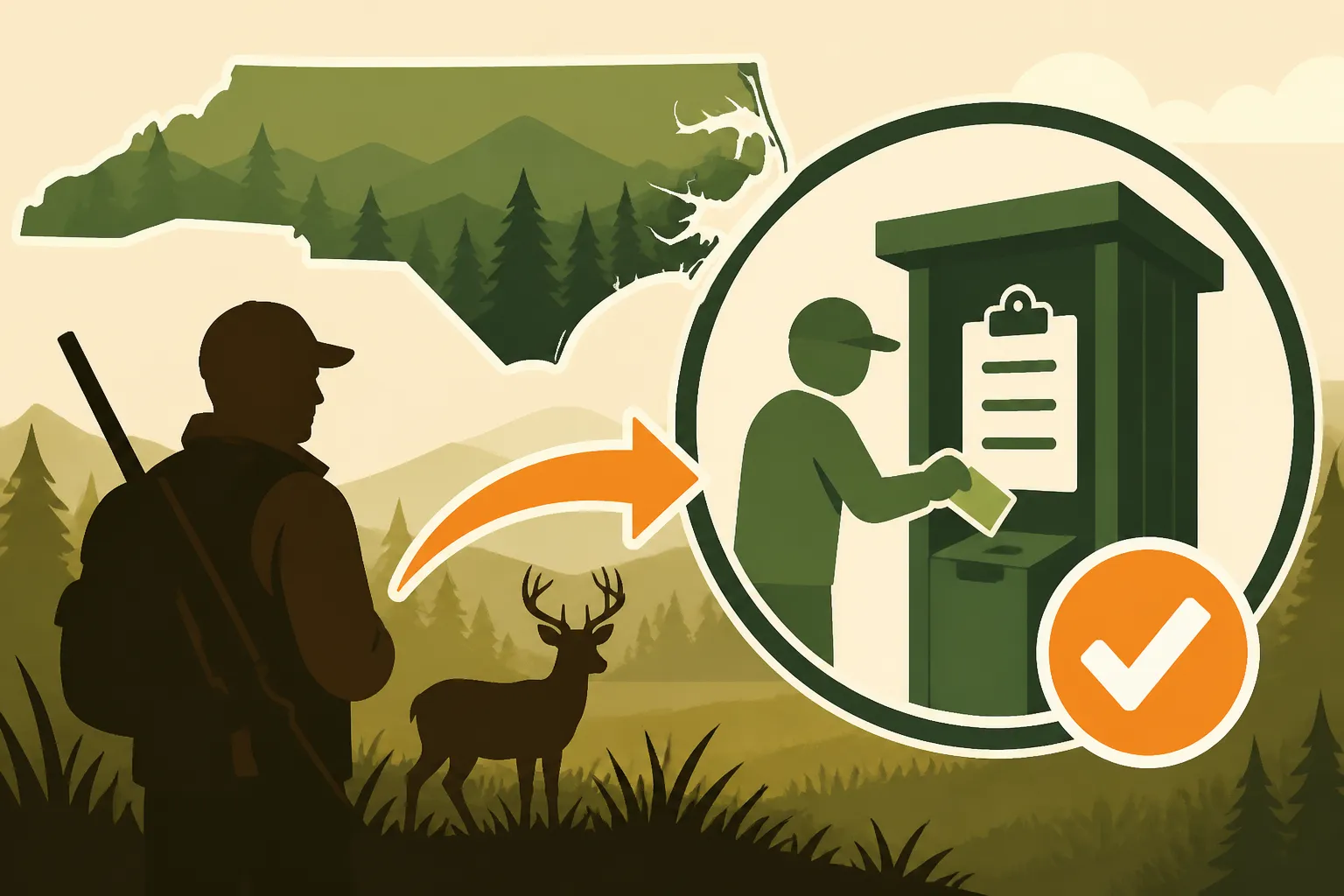
For many years, and still in use in numerous locations, the traditional sign-in kiosk was the backbone of game land access. You’d pull up to a designated parking area, find a small wooden or metal kiosk, grab a pencil, and fill out a card with your name, license number, and what you intended to hunt. These cards would then be dropped into a locked box, and you’d often take a corresponding tear-off slip with you.
While seemingly simple, this system comes with its frustrations. How many times have you arrived only to find no pencils, or a box overflowing with old cards? Sometimes the cards themselves are wet and illegible, or the information posted on the kiosk is faded or outdated. My advice? Always carry a spare pencil or pen and a small notepad with you, just in case. If a kiosk is truly unserviceable, make a note of the date, time, and location, and report it to the NCWRC later. It’s part of doing your civic duty as a hunter, and it ensures the system can be maintained for everyone. You'll often find these physical kiosks at smaller, more localized game lands, or at less-trafficked access points on larger tracts.
Embracing Digital Sign-In Methods
In recent years, the NCWRC has made great strides in modernizing the sign-in process through digital methods, primarily via their website and a dedicated mobile app. This allows hunters to sign in and out using their smartphone, often without needing to visit a physical kiosk. The benefits are numerous: it's incredibly convenient, reduces the chance of lost or illegible paper records, and often provides real-time data to biologists more efficiently. Plus, you get an instant confirmation that you're properly signed in.
Before you rely solely on your phone, however, remember that cell service can be spotty, or even nonexistent, in many remote game land areas. This is where pre-hunt preparation with tools like onX Hunt or GoHunt becomes invaluable. You can often download detailed maps and even specific game land regulations to your phone before you leave home. This way, even if you lose signal, you still have the information and a clear understanding of the boundaries and rules. If the digital sign-in process requires an internet connection, and you don't have one, you'll need to revert to a physical method if available, or find an area with service. It's smart to explore the Using the NC Wildlife Map Tool well before your hunt to understand its capabilities and limitations.
Specific Sign-In Scenarios and Permit Hunts
While general game lands have their processes, some hunting opportunities in North Carolina are more tightly regulated, often requiring special permits or adherence to specific check-in/check-out rules. These are not areas where you can simply show up, sign a card, and hunt; they demand careful planning and strict compliance.
Quota Hunts and Special Permits
Quota hunts are a prime example of tightly controlled hunting experiences. These hunts, whether for deer, bear, or other game, are designed to limit the number of hunters in a given area to ensure a quality experience, reduce pressure on wildlife, or manage specific populations. Hunters must apply for these permits, often through a lottery system, well in advance of the season. If you're lucky enough to draw a permit, the sign-in process will be highly specific and mandatory.
Typically, quota hunts require a physical check-in at a designated station, often staffed by NCWRC personnel. You'll need to present your permit, hunting license, and potentially other identification. They'll confirm your attendance, give you any last-minute instructions, and direct you to your hunting area. After your hunt, a mandatory check-out is almost always required, even if you didn't harvest an animal. This ensures that everyone is accounted for and allows the NCWRC to collect crucial harvest data. Skipping these steps can lead to penalties and jeopardize future hunting opportunities. Always carry your permit with you, and understand every detail on it.
Youth Hunting Opportunities and Sign-In
North Carolina offers wonderful opportunities for young hunters to get into the field, including dedicated youth hunting weekends. These events are fantastic for fostering a love of the outdoors and passing on hunting traditions. However, even with the emphasis on youth participation, the sign-in process remains important, with specific considerations for younger participants. Hunting the North Carolina Youth Deer Weekend is a great example.
Generally, youth hunters must be accompanied by an adult mentor who is properly licensed. The sign-in for youth hunts will often involve the mentor signing in themselves, and then also indicating the presence of the youth hunter. This is vital for safety, accountability, and to track youth participation numbers for future program planning. Mentors bear the responsibility of ensuring that both they and their young charge are correctly signed in, and that all rules and regulations pertaining to youth hunting, including blaze orange requirements and supervision distances, are followed.
Common Sign-In Challenges and Troubleshooting
Even with the best intentions and preparation, you can sometimes run into issues with the game land sign-in process. Technology can fail, regulations can shift, and the sheer remoteness of some hunting areas presents unique challenges. Knowing how to troubleshoot these situations can save you a lot of headache and ensure your hunt goes smoothly.
Dealing with No Cell Service and Tech Issues
We live in an age where our smartphones are often our primary tools for navigation, communication, and information. But anyone who has hunted North Carolina's truly wild places knows that cell service is a luxury, not a guarantee. There's nothing more frustrating than pulling up to a game land, ready to digitally sign in, only to be met with "No Service." This is why preparation is paramount.
Before you ever leave home, if you plan to use a digital sign-in method, screenshot or print out any confirmation screens or relevant game land details. Better yet, download offline maps through a robust mapping app like onX Hunt so you always know your location and the land boundaries, even without a signal. Always have a physical pen and paper as a backup to manually record your sign-in information, especially if a physical kiosk is still an option. Ensure your phone is fully charged, or carry a portable power bank. Getting caught without a backup plan means you might have to drive out of the game land to find service, wasting precious hunting time.
Understanding Regulation Changes and Updates
Wildlife regulations are not static; they are living documents that can change from season to season, or even mid-season, based on biological data, public input, and management needs. Relying on what you think you know from last year, or worse, outdated information at a neglected kiosk, can put you in violation of the law. The NCWRC is constantly monitoring populations and adapting their rules, so staying current is critical.
The most accurate and up-to-date information will always be found on the official NCWRC website and in the current year's North Carolina Hunting, Fishing & Trapping Regulations Digest. Make it a habit to review these sources before each season, and certainly before hunting a new game land. Setting calendar reminders or following NCWRC's social media channels can also help you stay informed of any critical updates or emergency closures. While apps like GoHunt and onX Hunt often integrate regulations, it's always wise to cross-reference with the official digest to ensure you have the very latest details before heading afield. Scouting North Carolina Public Land Before Season isn't just about finding game, it's about understanding the rules of the game.
Best Practices for Game Land Hunters
Hunting on public land is a privilege, not a right, and with that privilege comes a responsibility to be a conscientious and prepared hunter. By adopting some best practices around the sign-in process and general game land etiquette, you contribute to a positive experience for everyone and help ensure these valuable resources remain available for future generations.
Being Prepared Before You Go
The old adage "an ounce of prevention is worth a pound of cure" absolutely applies to hunting North Carolina's game lands. Thorough preparation is the cornerstone of a successful and stress-free hunt, and it starts long before you ever step foot in the woods. Begin by researching the specific game land you intend to hunt. What are its boundaries? What species are present? Are there any special regulations beyond the statewide rules? Websites, mapping apps, and the official regulations digest are your best friends here. North Carolina Deer Season Structure Explained and North Carolina Hunting Licenses and What They Cost are critical starting points for understanding the broader framework before diving into game land specifics.
Beyond the regulatory homework, pack smart. Always have your current hunting license and any required permits readily accessible. Carry that extra pen and paper, even if you plan on using digital sign-in. Make sure your phone is charged and that you have offline maps downloaded, especially if hunting in remote areas. Knowing the local weather forecast and dressing appropriately with layers, perhaps including the mandated North Carolina Blaze Orange Requirements, will keep you comfortable and focused. Thinking through these details beforehand helps avoid last-minute scrambling and potential rule violations.
Ethical Considerations and Leaving No Trace
The sign-in process isn't just about checking a box; it's a fundamental part of the ethical contract we have as hunters with the land and with each other. By diligently signing in and out, you’re not only providing useful data for wildlife management but also demonstrating respect for the system. This respect extends to leaving the game land in as good, or better, condition than you found it.
Always pack out everything you pack in – and that includes any old sign-in cards, wrappers, shell casings, or anything else that doesn't belong. We all want pristine hunting grounds, and it's up to each of us to keep them that way. If you notice a sign-in kiosk is damaged, out of cards, or otherwise malfunctioning, report it to the NCWRC. If you observe any unethical behavior or violations, contact the wildlife enforcement division. Our collective actions contribute to the reputation of hunters and the continued access to these incredible public resources. Hunters are the original conservationists, and upholding these standards ensures a future for our shared passion. Hunting Pressure on North Carolina Public Land is a reality, and collective responsibility helps manage it.
North Carolina Game Land Sign-In Methods Comparison
Understanding the different ways you might need to sign in and out of a North Carolina Game Land is crucial for a smooth hunting experience. Here's a quick comparison of the common methods:
| Feature | Traditional Kiosk/Paper | Digital App/Website | Permit-Specific Check-in |
|---|---|---|---|
| Availability | Common in many areas | Growing; statewide | Specific permit hunts only |
| Required Gear | Pen/Pencil, physical card | Smartphone (charged) | Permit, ID, license |
| Connectivity Needed | None | Yes (for real-time) | Usually at designated station |
| Record Keeping | Physical cards in box | Digital database | Staffed record log |
| Ease of Use | Can be hit or miss | Generally convenient | Highly structured |
| Common Issues | Missing supplies, illegible cards, outdated info | No cell service, low battery, app glitches | Missed deadlines, wrong location |
| Best Practice | Always carry a pen/paper backup, check kiosk info | Download offline maps with onX Hunt, fully charge phone |
Read permit carefully, arrive early, confirm location |
Disclaimer
This article is for general informational purposes only and does not constitute professional advice. Laws, prices and regulations vary by location and change over time. Consult a qualified professional for guidance on your specific situation.