Why the Piedmont Grows Big Bucks
Many North Carolina hunters spend countless hours in the woods, hoping to catch a glimpse of that elusive, mature whitetail buck. It can be incredibly frustrating to put in all that effort—the scouting, the stand hanging, the early mornings—only to see young bucks or does. While every region of our great state holds deer, there’s a distinct reason why the Piedmont region consistently churns out some of the biggest antlers year after year. This guide will delve deep into the specific advantages of the North Carolina Piedmont, explaining the unique blend of factors that contribute to its reputation for growing truly impressive whitetails.
Understanding the Piedmont's Landscape for Deer
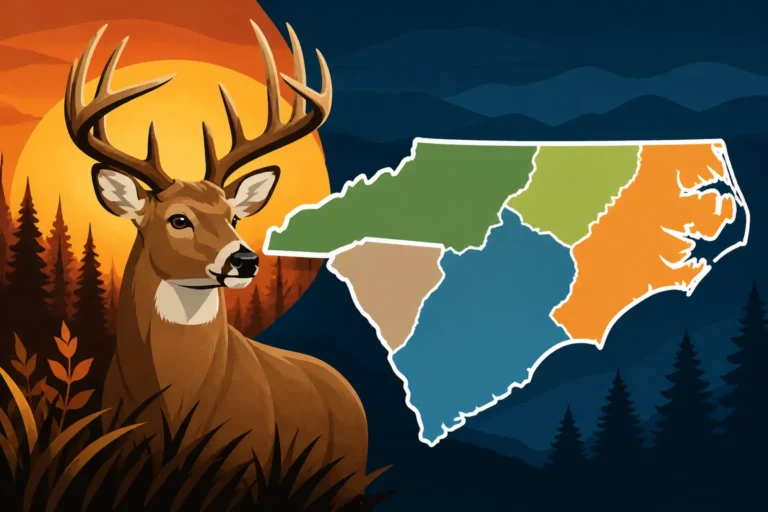
The Piedmont region, stretching across the middle of North Carolina from the mountains to the coastal plain, offers a unique tapestry of habitat that is incredibly conducive to growing large deer. Unlike the dense, vertical challenges of the mountains or the vast, often saturated swamps of the coast, the Piedmont strikes a balance that provides deer with both ample resources and relative security. This middle ground creates an ideal environment for whitetails to not just survive, but truly thrive and reach their full potential.
Fertile Soils and Abundant Food Sources
One of the most significant factors contributing to the Piedmont's big buck reputation lies beneath our feet: its incredibly fertile soils. These soils are a direct result of the region's geological makeup, enriched by millions of years of natural processes. This translates directly into robust plant growth, which forms the foundation of a deer's diet. Think about it – healthy soil means healthy plants, and healthy plants mean more nutritious forage for deer.
Where the soil is rich, whether it’s in a hardwood bottom or an agricultural field, the native vegetation tends to be more vigorous and nutrient-dense. This isn't just about quantity; it's about quality. Deer browsing on these superior plants are getting a better nutritional bang for their buck, so to speak, leading to healthier body weights and, critically, superior antler growth. This is a stark contrast to some of the less fertile areas in the mountains or the coastal plain where deer might have to work harder to find adequate nutrition.
Varied Habitat and Cover for Deer
The Piedmont landscape is a mosaic of habitats, a blend of agriculture, scattered timber blocks, powerline cuts, creek bottoms, and suburban fringes. This isn't a vast, unbroken forest, nor is it an endless field. Instead, deer benefit from a patchwork quilt of different cover types, all within close proximity. This varied terrain provides everything a deer needs throughout the year: bedding cover, escape routes, and foraging areas, often just a short distance apart.
A typical Piedmont tract might feature a small woodlot adjacent to a cut cornfield, bordered by a dense honeysuckle thicket along a creek, with a powerline right-of-way slicing through it. This diversity means deer don't have to travel far to satisfy their needs, minimizing exposure to predators and humans. The dense undergrowth found in many Piedmont woodlots, often fueled by good sunlight and fertile ground, also offers fantastic thermal cover in winter and cool shade in summer, allowing deer to conserve energy and reduce stress, all of which contributes to their overall health and antler development.
Less Extreme Terrain Than the Mountains
While the mountains offer breathtaking views, they also present an undeniable challenge for deer trying to pack on pounds and grow impressive headgear. The steep, rugged terrain requires significant energy expenditure for daily movement, browsing, and escaping predators. Imagine trying to navigate those slopes every day just to find food – it takes a toll. In contrast, the rolling hills and relatively gentle slopes of the Piedmont are far less demanding.
Deer in the Piedmont can move more efficiently, conserving precious energy that can then be diverted towards growth. This isn't to say the Piedmont is flat – far from it – but the elevation changes are generally more gradual and less extreme than the Blue Ridge and Appalachian ranges. This easier living translates into less stress on the animals, allowing them to focus their physiological resources on building bone and body mass, a crucial component for growing those trophy antlers that many hunters pursue.
Nutritional Advantages for Antler Growth
Antler growth is directly tied to nutrition, and the North Carolina Piedmont is a veritable buffet for whitetail deer. The unique combination of agricultural practices, natural mast production, and consistent forage availability provides deer with the sustained, high-quality diet needed to push antler growth to its maximum potential. It's a game of calories and minerals, and the Piedmont often comes out on top.
Agricultural Crop Diversity
Drive through much of the Piedmont, and you'll quickly notice the prevalence of agriculture. From vast fields of corn and soybeans to winter wheat and peanuts, these crops provide an enormous, highly nutritious food source for deer, especially at critical times of the year. During the late summer and fall, standing corn and soybeans offer a caloric goldmine, allowing bucks to bulk up before the rut and recover quickly afterward. These high-energy foods are essential for sustained antler growth and overall body condition.
What's more, the rotation of these crops means deer often have access to different food sources throughout the seasons. After a cornfield is harvested, residual grains offer an easy meal. Winter wheat or clover planted as cover crops provide vital green forage during the lean months when natural browse is less abundant. This consistent availability of nutrient-rich agricultural products gives Piedmont deer a substantial advantage over their counterparts in areas with less intensive farming. If you're looking for signs of deer activity, knowing the local crop rotation is a huge leg up, and tools like GoHunt can help you analyze aerial imagery to pinpoint these valuable food sources.
Rich Natural Browse and Mast Production
Beyond the cultivated fields, the natural habitat of the Piedmont also contributes significantly to deer nutrition. The region is home to a rich diversity of hardwood trees, particularly various oak species. When these trees produce a strong mast crop, primarily acorns, it's a bonanza for deer. Acorns are incredibly high in fat and protein, providing a dense caloric punch that fuels growth and helps deer put on critical fat reserves for winter. A good acorn crop can significantly boost the health and antler quality of the local deer herd.
Furthermore, the understory of many Piedmont woodlots is abundant with native browse plants like honeysuckle, greenbrier, and various forbs. These plants provide year-round sustenance, offering essential vitamins and minerals that complement the agricultural crops. Unlike the often acidic, less fertile soils of some coastal regions or the high-elevation forests, the Piedmont's soils support a more vigorous and diverse array of natural browse, ensuring deer have a balanced diet. This combination of cultivated and wild foods creates a highly nutritious environment for deer to thrive.
Year-Round Food Availability
The real magic of the Piedmont’s food scene for deer is its consistent, year-round availability. It’s not just about a few weeks of abundant acorns in the fall. The combination of agricultural cycles and natural forage provides a continuous supply of nutrition from spring green-up through the challenges of winter. In spring, fresh green growth, including new shoots and agricultural plantings, helps bucks recover from the rut and begin antler development. Throughout the summer, protein-rich soybeans and natural browse are crucial for the rapid growth phase of antlers.
Even in winter, after fields have been harvested, residual grains, winter annuals, and persistent browse offer critical sustenance. This unbroken chain of high-quality food means deer are rarely stressed by lack of nutrition. Instead of expending energy searching for scarce food, they can direct those resources towards maintaining body condition and, for bucks, growing impressive racks. This constant caloric input ensures that Piedmont bucks have everything they need to maximize their genetic potential for antler size, often leading to bigger bodies and more robust antlers than deer in less food-rich environments.
Deer Population Dynamics and Age Structure
Nutrition might build the antlers, but population dynamics and how deer are managed by hunters are equally critical in ensuring bucks live long enough to grow those impressive racks. The Piedmont benefits from a combination of these factors that allow bucks to mature, a key ingredient in trophy antler production.
Balanced Buck-to-Doe Ratios
A healthy deer herd, one capable of producing big bucks, typically exhibits a balanced buck-to-doe ratio. While we don't always have perfect numbers, many areas of the North Carolina Piedmont, especially on private lands, tend to have more favorable ratios compared to some high-pressure public land settings. When the buck-to-doe ratio is more balanced, it means less stress on the does during the breeding season, leading to healthier fawns. More importantly for our topic, it also means bucks don't have to work as hard during the rut.
In areas with extremely skewed ratios (too many does), individual bucks might spend an excessive amount of energy chasing and breeding numerous does. This intense physical exertion can lead to significant weight loss and an inability to recover quickly, which can impact antler growth in subsequent years. A more balanced ratio means bucks can breed effectively without completely exhausting themselves, allowing them to maintain better body condition and focus energy on growing larger antlers year after year. Hunters in the Piedmont often engage in selective harvesting of does to help maintain these healthier ratios, contributing to the overall quality of the herd.
Hunter Selectivity and Management Practices
Perhaps one of the most impactful reasons for big bucks in the Piedmont is the prevalence of private land and the widespread adoption of quality deer management (QDM) practices by landowners and hunting clubs. Unlike many public lands where "if it's brown, it's down" might be the prevailing mentality due to high pressure, many private land hunters in the Piedmont are actively trying to pass on young bucks. They understand that a 1.5-year-old buck, while legal, won't reach its full antler potential if harvested too early.
These management efforts often involve strict guidelines on buck harvest, focusing on older age classes. This might mean "earn a buck" programs where a hunter must harvest a certain number of does before taking a buck, or simply a commitment to letting younger bucks walk. Such practices allow bucks to reach 3.5, 4.5, or even 5.5 years of age, which is when they typically express their largest antlers. The ability of hunters to control harvest on their land and implement these strategies is a game-changer. For those looking to understand the harvest trends, checking out North Carolina Deer Harvest Records can provide insights into how these management practices are impacting success rates and buck age structures across different regions.
The Impact of Limited Public Land Pressure
While North Carolina boasts some incredible public hunting opportunities, the sheer volume of hunters on public land often means that mature bucks are harder to find simply because they are harvested at younger ages. In contrast, a significant portion of the productive Piedmont deer habitat is privately owned, often in smaller, huntable parcels. This doesn't mean less hunting pressure overall, but rather controlled hunting pressure.
On private land, the number of hunters is typically limited, and rules can be set to protect younger bucks. This gives deer sanctuary and allows them to grow old. Many private landowners cultivate specific food plots, maintain bedding areas, and limit access to create safe havens where bucks can escape the constant pressure of hunting season. This isn't always feasible on vast public lands where access is open to all. The combination of selective harvest on private land and areas of relative refuge creates an environment where more bucks can survive to maturity, directly translating into more "big bucks" being sighted and harvested in the Piedmont. When considering hunting strategies, understanding the nuances between public and private land approaches, as detailed in articles like Hunting Small Private Tracts in North Carolina, can be incredibly valuable.
Factors Beyond Food: Genetics and Water
While nutrition and age structure are paramount, they aren't the only pieces of the puzzle when it comes to growing big bucks. The intrinsic genetic potential of the local deer herd, combined with reliable access to water and secure sanctuary areas, completes the environmental package that makes the Piedmont such a trophy-producing region.
Genetic Potential of Piedmont Deer
Every deer herd has a genetic ceiling for antler growth, and the Piedmont's whitetails seem to possess excellent genes for producing impressive racks. While nutrition and age are critical for a buck to express its genetic potential, the potential itself has to be there. Over generations, through natural selection and potentially some historical stocking efforts that brought in hardy deer, the Piedmont has developed a robust deer population with the inherent genetic capability to grow large antlers.
This isn't to say that deer in other regions lack genetic potential, but the consistent abundance of high-quality nutrition combined with management practices that favor older bucks has allowed these superior genetics to manifest consistently. When bucks with strong antler genes are allowed to mature and breed, they pass those traits on to their offspring, further enhancing the genetic quality of the herd over time. Understanding North Carolina Deer Antler Growth Timeline can give you a better appreciation for how these genetic and environmental factors interact over a buck's life.
Ample Water Sources and Creek Systems
Water, often overlooked in the discussion of antler growth, is just as vital as food. A deer's body is composed largely of water, and proper hydration is essential for all physiological processes, including bone development. The Piedmont region is crisscrossed with a dense network of creeks, streams, rivers, and ponds, providing consistent and accessible water sources for deer.
Unlike some arid regions, Piedmont deer rarely face water scarcity, even during dry spells. This constant availability means they aren't stressed by dehydration, which can negatively impact overall health and divert resources away from antler development. These creek bottoms also often serve as natural travel corridors, providing dense cover and thermal protection, further enhancing the deer's well-being. A buck that is well-hydrated and less stressed is a buck that is better equipped to grow a large, healthy rack.
Sanctuary Areas and Reduced Stress
Even with abundant food and water, deer need places where they can feel safe, rest, and escape human disturbance. The fragmented, diverse landscape of the Piedmont, particularly the prevalence of smaller, unhunted or lightly hunted private parcels, creates numerous sanctuary areas. These might be dense, overgrown thickets, steep creek banks, or even wooded suburban lots where hunting is prohibited.
These "safe zones" are crucial for bucks, especially mature ones. Older bucks are inherently wary and will seek out areas where they feel secure. When they can spend time resting and digesting without constant pressure, they conserve energy, reduce stress hormones, and can dedicate more resources to antler and body growth. The relatively lower human population density in some rural Piedmont areas, combined with private land management, helps create these vital sanctuaries, allowing mature bucks to survive and thrive away from constant harassment.
Hunting Strategies for Piedmont Giants
If you're eager to chase those Piedmont giants, understanding their habits and adapting your strategies to the region's unique landscape is paramount. It’s not just about finding a deer; it’s about understanding the specific nuances that make a big Piedmont buck tick.
Scouting and Understanding Local Patterns
Effective scouting in the Piedmont is about more than just finding tracks; it's about piecing together the daily life cycle of a deer in a particular area. Since many hunts will take place on smaller private tracts or specific game land sections, understanding hyper-local patterns is key. This means identifying primary food sources – whether they are agricultural fields like corn, soybeans, or winter wheat, or natural mast like white oak and red oak stands. You'll also need to locate bedding areas, which can often be dense, overlooked thickets along creek bottoms, logging clear-cuts, or even dense cedar groves.
Connecting these dots requires time in the woods, even outside of hunting season. Use tools like the NC Wildlife Map Tool or apps like GoHunt to analyze aerial photos, identify pinch points, funnels, and potential travel corridors. Look for rub lines, scrape lines, and well-used trails. Pay attention to how deer move between feeding, bedding, and water sources. For example, a buck might bed in a thick, south-facing cedar thicket on a cold morning, then move to a standing cornfield at last light. Understanding these movements, as discussed in articles like Reading Aerial Photos for Piedmont Deer, will put you in a prime position to intercept a mature buck.
Utilizing Field Edges and Transition Zones
Piedmont deer often live on the edges – specifically, the edges where different habitat types meet. These transition zones, or "edge habitats," are particularly productive because they offer the best of both worlds: access to food in open fields and the security of dense cover nearby. A classic Piedmont setup involves hunting a field edge, where a mature woodline meets a crop field. Bucks will often stage in the timber just inside the treeline before stepping out into the open at dusk.
Similarly, creek bottoms, fencerows, and powerline cuts all create linear edge habitats that deer frequently use for travel and foraging. A thick fencerow between two open fields can be a major travel corridor, especially if it connects to a larger block of timber. During the rut, bucks will cruise these edges, scent-checking for does. Setting up a stand or ground blind in these transition zones, such as the advice in Setting Up on a Piedmont Field Edge, allows you to intercept deer as they move between safety and sustenance, increasing your odds of encountering a big buck.
Adapting to Smaller Private Tracts
Unlike the sprawling national forests, much of the Piedmont's prime deer habitat is found on smaller, privately owned parcels. This presents both challenges and opportunities. The challenge is often gaining access; the opportunity is the potential for managing the herd and reducing hunting pressure. If you secure permission to hunt a smaller tract, it’s crucial to adapt your approach. Over-hunting a small property can quickly push deer out.
Consider low-impact hunting tactics, such as still-hunting quietly along creek bottoms or using ground blinds strategically placed in thick cover. Entry and exit routes are paramount – you want to get to and from your stand without alerting deer. Focus on specific windows of opportunity, like the first and last hours of daylight, and don't overstay your welcome. If you're fortunate enough to hunt a property where you can influence management, encourage letting younger bucks walk and focusing harvest on does. Remember, even a small parcel can hold a trophy buck if it offers consistent food, water, cover, and a measure of security.
Disclaimer
Hunting is an inherently dangerous activity. The information provided in this guide is for informational purposes only and should not be taken as professional advice. Always prioritize safety, understand and adhere to all North Carolina Wildlife Resources Commission regulations, and obtain proper licenses before engaging in any hunting activities. Hunters are responsible for their own safety and for understanding the specific rules and conditions of the areas they hunt.