Mandatory Testing Inside a CWD Surveillance Area
For hunters in North Carolina, few topics stir up as much concern and confusion as Chronic Wasting Disease (CWD). The idea of mandatory testing within a CWD Surveillance Area can feel like yet another hoop to jump through, adding stress to an already cherished pastime. This guide is here to cut through the noise, explaining exactly what mandatory testing entails in these specific areas, why it’s crucial, and how you can easily comply to keep our deer herd healthy.
Understanding North Carolina's CWD Surveillance Areas
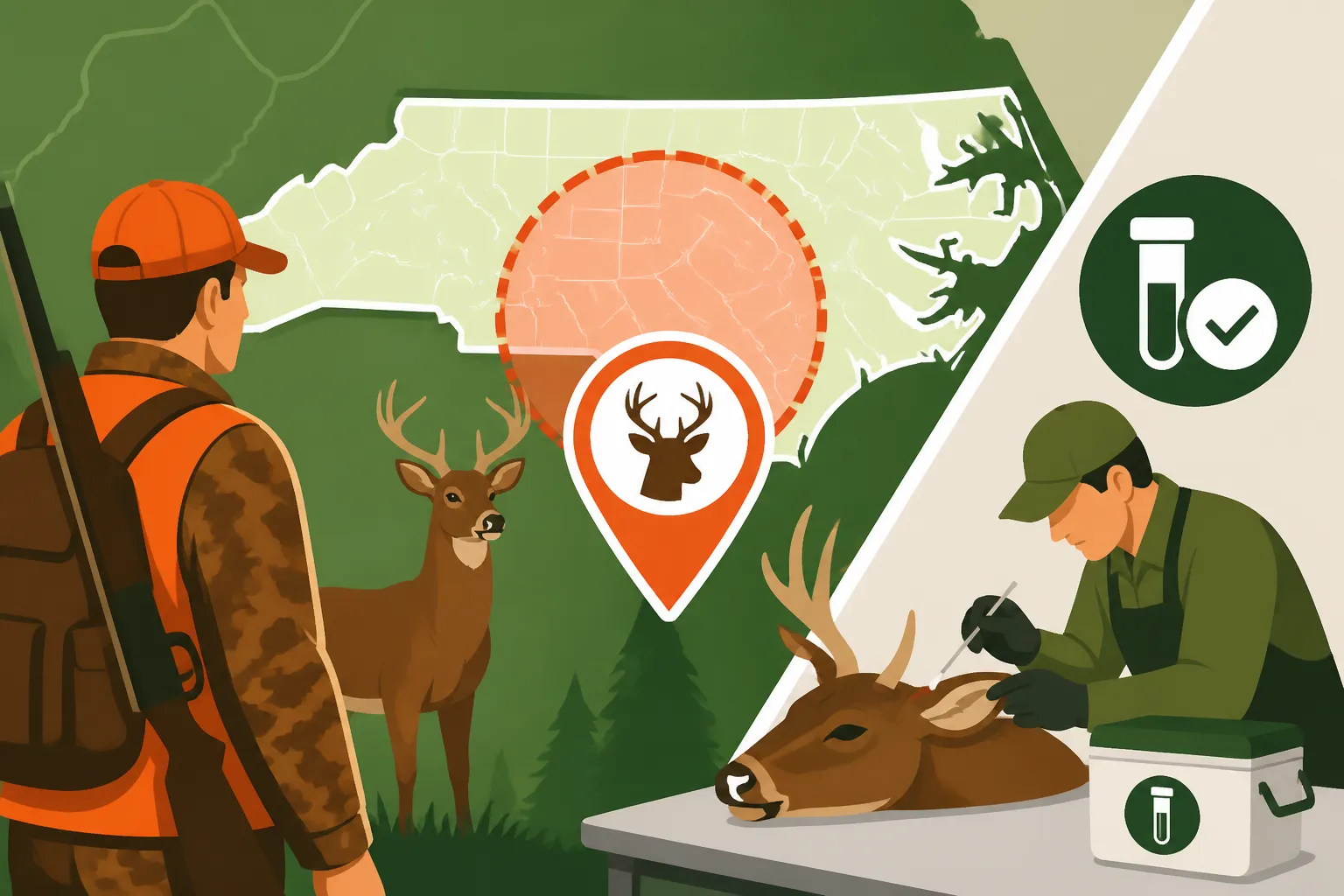
When a new case of CWD is confirmed in North Carolina, the North Carolina Wildlife Resources Commission (NCWRC) doesn't just shrug its shoulders. They react swiftly and decisively, establishing what's known as a CWD Surveillance Area around the detection site. This isn't just a fancy name; it's a designated zone where the rules for hunters, particularly regarding deer harvest and testing, become much more stringent than in other parts of the state.
These areas are essentially a perimeter drawn around a known CWD positive deer. The goal is to understand the extent of the disease, contain its spread, and prevent further contamination of our beloved whitetail population. It's a proactive measure, yes, but it also places a significant responsibility on the shoulders of local hunters. You might live and hunt in one of these areas, or perhaps travel through it, and suddenly the regulations you've known for years are different. It’s understandable to feel a bit overwhelmed or even frustrated by these changes, especially when you're just trying to enjoy your time in the woods. But these zones are critical to our collective efforts to combat this devastating neurological disease.
Currently, the primary CWD Surveillance Area is centered in the Yadkin Valley, encompassing several counties. Surry County was where the first CWD case was confirmed in North Carolina, and since then, the CWD footprint has expanded to include counties like Wilkes, Yadkin, Forsyth, Stokes, Alleghany, and Davie. If you hunt in any of these areas, or counties bordering them, you absolutely need to be aware of the specific rules. You can find detailed maps and the most up-to-date information on the NCWRC website or often through resources like GoHunt, which compiles and interprets regulations for hunters. Staying informed is the first step to compliance and helps protect the future of deer hunting in our state.
Why Mandatory Testing Becomes Necessary
The core reason for mandatory testing in a CWD Surveillance Area is simple: surveillance. CWD is a prion disease, meaning it's caused by misfolded proteins that can lie dormant for a long time before symptoms appear. An infected deer can look perfectly healthy for months, or even years, while silently shedding these prions into the environment through saliva, urine, and feces. By the time a deer is obviously sick, it could have already spread the disease far and wide. This silent spread is what makes CWD so insidious and why early detection is paramount.
Mandatory testing allows the NCWRC to get a snapshot of disease prevalence within the surveillance area. It helps them answer crucial questions: Is the disease more widespread than we thought? Is it contained to a certain pocket, or are we seeing satellite outbreaks? Without a high volume of samples from harvested deer, biologists are essentially operating in the dark. Every single sample collected contributes valuable data that helps protect the greater deer herd. It’s not just about finding positive cases; it’s also about confirming where the disease isn't present, which helps in managing future hunting seasons and regulations. Think of it as a community health check for the deer, and hunters are the primary data collectors. It's a small inconvenience that serves a much larger purpose.
Specific Hunter Requirements in CWD Surveillance Areas
For hunters operating within a CWD Surveillance Area, there are typically several key requirements that differ from standard statewide regulations. These aren't suggestions; they are mandatory rules designed to limit the spread of CWD. The most impactful of these involves the collection and submission of tissue samples from harvested deer. It's not enough to simply harvest a deer and check it in; you must also facilitate its CWD testing.
One of the most critical aspects is knowing when and where these testing requirements apply. Typically, mandatory testing periods coincide with the peak of deer hunting season, especially during the firearm seasons, when the greatest number of deer are harvested. This focus allows biologists to collect a significant number of samples efficiently. You might find specific weekends or even entire weeks designated for mandatory testing within the CWD Surveillance Area. Outside of these mandatory periods, voluntary testing is often encouraged and just as important, but during the specified dates, it's not optional.
Submitting Deer Samples for CWD Testing
When you harvest a deer in a CWD Surveillance Area during a mandatory testing period, your next step after tagging and reporting the harvest is to get that deer to a CWD sampling station. The NCWRC sets up a network of these stations, often at game lands offices, private butcher shops, or even mobile collection sites in easily accessible locations like local stores or fire departments. The process itself is usually straightforward. Trained staff or volunteers will take a lymph node sample from your deer's head. They’ll also collect data on where and when the deer was harvested, linking it to your unique harvest confirmation number.
It’s crucial to remember that you typically need to bring the head of the deer, often with a few inches of neck attached, to the sampling station. This is because the lymph nodes needed for testing are located in that area. While the rest of the deer can be processed as usual, the head is the key for testing. The NCWRC generally provides coolers or collection bins for heads, and they’ll handle the disposal of those parts after testing, ensuring no further CWD risk. Planning ahead for this is vital. If you're hunting deep in the backcountry, consider how you’ll get that head out and to a sampling station within the required timeframe. Organizations like GoHunt often have maps integrated into their platforms that show the locations of these sampling stations, making it easier to plan your route.
In addition to submitting samples, there are often strict regulations on the movement of deer carcasses out of a CWD Surveillance Area. These rules are designed to prevent hunters from inadvertently moving an infected deer carcass to an unaffected area, potentially spreading CWD prions. Generally, only deboned meat, clean antlers, hides, and taxidermy-ready skulls are permitted to leave the zone. The spine, brain, and other high-risk parts must remain within the CWD Surveillance Area for disposal. This can be a significant logistical challenge, especially for hunters who travel to these areas, but it's a necessary step to protect our statewide herd.
Here's a quick overview of typical CWD Surveillance Area requirements:
| Requirement | Details | Why It's Important |
|---|---|---|
| Mandatory Sampling | During specified periods, all deer harvested must have lymph node samples collected. Usually applies to adult deer. | Essential for determining disease prevalence and geographic spread within the high-risk zone. |
| Carcass Movement Restrictions | Only deboned meat, clean antlers, hides, and taxidermy-ready skulls can leave the CWD Surveillance Area. | Prevents the accidental transport of CWD prions to unaffected areas, halting further spread. |
| Reporting Harvest | All deer harvested, regardless of testing, must be reported to the NCWRC within the specified timeframe. | Standard procedure for wildlife management and links specific deer to their CWD test results and harvest location. |
| Voluntary Testing | Encouraged outside of mandatory periods, especially for sick-looking deer. | Supplements mandatory efforts, providing additional data and allowing hunters to test suspicious animals. |
These rules are non-negotiable within the designated areas, and failure to comply can result in citations. It’s important to familiarize yourself with the specific details by checking the current North Carolina Deer Season Structure Explained and other NCWRC publications for the most up-to-date information.
Navigating CWD Protocols and Best Practices
Dealing with CWD protocols might feel like an extra layer of bureaucracy, but it's a vital part of being a responsible hunter in North Carolina. Beyond just knowing the rules, there are practical steps you can take to make the process smoother and ensure you're contributing positively to the state's CWD management efforts. Remember, every hunter plays a role in keeping our deer healthy.
One of the biggest frustrations can be the logistics of getting a deer to a sampling station, especially if you hunt remote public lands like those described in Scouting North Carolina Public Land Before Season. Planning is key. Before you even head out, identify the nearest CWD sampling locations to your hunting area. Check the NCWRC website or use tools within apps like GoHunt that integrate sampling station data. Know their hours of operation and any specific requirements they might have (e.g., calling ahead). If you hunt in an area with limited cell service, make sure you have this information downloaded or printed.
Handling and Transporting Deer Post-Harvest
Once you’ve harvested a deer within a CWD Surveillance Area, proper handling and transportation are crucial. Field dressing is still essential, but you'll need to decide how to manage the head for testing. Some hunters prefer to quarter the deer in the field and pack out the meat and the head separately. Others might drag the whole deer out and then remove the head at their truck or camp. Whichever method you choose, ensure the head remains intact enough for lymph node sampling.
When transporting the carcass, especially if you’re driving through different zones, be mindful of the carcass movement restrictions. The easiest way to comply is to process your deer completely within the CWD Surveillance Area if possible. This means deboning the meat and leaving the high-risk parts (brain, spinal cord, spleen, lymph nodes) behind at an approved disposal site. If you use a processor, make sure they are aware of CWD protocols and are authorized to handle deer from surveillance areas. Many processors in these regions are well-versed in the requirements and can assist you. For those who butcher their own deer, getting comfortable with the gutless method can make things much easier and more compliant with carcass movement rules. This allows you to remove only the muscle tissue, leaving most of the high-risk materials in the field.
The Importance of Continued Vigilance
Even outside of mandatory testing periods, vigilance is key. If you ever see a deer exhibiting symptoms consistent with CWD – things like extreme emaciation, abnormal behavior, drooling, or neurological issues – it’s crucial to report it to the NCWRC immediately. Do not harvest or approach a sick-looking deer. Document its location as precisely as possible and contact the wildlife authorities. This kind of proactive reporting is invaluable in tracking and containing the disease. It supplements the data gathered during mandatory testing and provides real-time intelligence on potential new outbreaks.
For further information on North Carolina's CWD efforts, consider exploring resources like North Carolina's Chronic Wasting Disease Areas and North Carolina CWD Testing for Hunters. These materials offer deeper insights into the science, the management strategies, and how you can continue to be a responsible and effective steward of our wildlife resources. Staying informed and compliant ensures that future generations can continue to experience the thrill of a successful hunt in North Carolina, whether it's Bowhunting North Carolina's Statewide Archery Season or North Carolina's Gun Deer Season by Zone.
Finally, don’t hesitate to use the official NC Wildlife App to stay on top of all regulations. It's a fantastic tool that provides current rules, reporting options, and often, maps of sampling locations. This makes compliance easier, especially when you’re out in the field. Embrace these new responsibilities, and you'll be helping safeguard North Carolina's deer herd for years to come.
Disclaimer
The information provided in this guide is for general informational purposes only and is not a substitute for official regulations. Hunters are responsible for understanding and adhering to all current North Carolina Wildlife Resources Commission (NCWRC) rules and regulations. Always consult the most recent NCWRC hunting regulations digest or website for the most accurate and up-to-date information regarding CWD surveillance areas, mandatory testing, and carcass movement restrictions.