North Carolina Mentored Youth Hunting Rules
It’s a truly special thing, isn’t it, to share the outdoors and the tradition of hunting with a young person. Maybe you grew up hunting, or perhaps you're a new hunter yourself eager to pass on the passion. But let's be honest, figuring out all the specific rules and regulations for mentored youth hunting in North Carolina can feel like navigating a dense thicket without a compass. You want to make sure you're doing everything by the book, keeping everyone safe, and creating a positive, legal experience. This guide is here to untangle those rules, walking you through everything you need to know about North Carolina's mentored youth hunting program so you can focus on making memories, not mistakes.
Understanding North Carolina's Apprentice Hunter Permit
For many of us, the idea of hunting with a youngster immediately brings up questions about licensing and safety courses. And rightly so! Hunter education is paramount. But North Carolina recognizes that getting hands-on experience under the watchful eye of an experienced hunter is an invaluable part of the learning process. That’s where the Apprentice Hunter Permit comes in, providing a structured pathway for new, typically younger, hunters to get started. It's designed to remove some of the initial barriers while maintaining a strong emphasis on safety and direct supervision.
Who Qualifies for an Apprentice Permit?
Essentially, any resident or nonresident hunter who has not yet completed a formal Hunter Education course can qualify for an Apprentice Hunter Permit. This permit acts as a temporary alternative to a full Hunter Education Certificate. It’s perfect for youth who are just dipping their toes into the hunting world and want to try it out before committing to the full course, or for those who simply haven't had the opportunity to complete the course yet. The key here is the "mentored" aspect: anyone hunting under an Apprentice Hunter Permit must be directly supervised by a licensed hunter. This isn't a free pass to hunt alone; it's an opportunity to learn the ropes with guidance. The permit itself is usually included as part of a hunter’s initial license purchase, making it fairly accessible.
The Philosophy Behind Mentored Hunting
The entire concept of mentored hunting, and the Apprentice Hunter Program specifically, is built on the idea that learning in the field, side-by-side with an experienced hunter, is incredibly effective. Think about it: you can read all the books you want, but nothing teaches you wind direction or how to still-hunt a ridge like actually doing it with someone who knows. It’s about more than just pulling a trigger; it’s about understanding wildlife, respecting the land, and developing safe habits. This program helps ensure that critical knowledge is passed down directly, fostering a strong ethical foundation from the very first outing. It addresses the very real challenge of declining hunter numbers by making it easier for new participants, especially youth, to get started without immediately facing all the requirements of a seasoned hunter. The North Carolina Wildlife Resources Commission (NCWRC) designed this program to be a bridge, helping to sustain our hunting heritage.
Essential Licensing for Youth and Mentors
Navigating the various North Carolina hunting licenses and permits can sometimes feel like trying to untangle a fishing line after a big bite – confusing, and a little frustrating! But getting it right is crucial for a safe and legal hunt. For mentored youth hunting, there are specific requirements not just for the young hunter but also for the adult mentor supervising them. Understanding these ensures both parties are covered and can enjoy their time afield without worry.
North Carolina Youth Hunting License Requirements
For young hunters under the age of 16, North Carolina offers specific licensing options that are often more affordable or even free. A young person, even if they haven't completed hunter education yet, will typically need an Apprentice Hunter Permit. This permit is usually obtained when purchasing their initial basic hunting license. For example, a youth might purchase a "Youth Annual Hunting" license which would automatically include the Apprentice Hunter Permit. This combination allows them to hunt game birds and animals under the direct supervision of a properly licensed adult. It's important to remember that while the youth may not need a full Big Game Privilege license to hunt deer or bear personally, their mentor certainly will, and the mentor’s privileges cover the youth’s participation in big game hunting. This structure keeps things streamlined for the youth while ensuring adequate adult oversight and legal coverage. You can find more details on these options through the NC Wildlife Resources Commission website or by checking the current year's regulations digest.
What a Mentor Needs to Legally Supervise
As a mentor, you are the linchpin of the entire program. Your responsibilities are significant, and so are your licensing requirements. To legally supervise an apprentice hunter in North Carolina, you, the mentor, must hold a valid North Carolina hunting license. This isn't just a basic hunting license; it must be the appropriate license for the type of game being hunted. For instance, if you're taking a youth deer hunting, you must possess a North Carolina Resident Hunting License Options that includes the Big Game Privilege. Similarly, if you're pursuing bear, you'd need the Big Game Privilege and the North Carolina Bear Management Stamp.
Crucially, the mentor must be at least 18 years old. This age requirement ensures that the supervising adult has sufficient experience and maturity to handle the significant responsibilities involved. It’s not enough to just be present; you need to be prepared to make sound decisions for safety and ethical conduct. Your license essentially extends its legal umbrella over the apprentice hunter, making sure all legal bases are covered for the activity at hand. Always double-check your own license and privileges before heading out, especially if you're planning to hunt multiple species throughout the season.
Age Restrictions and Unsupervised Hunting
One of the most critical aspects of North Carolina's mentored youth hunting rules revolves around age and the transition to independent hunting. While the Apprentice Hunter Permit allows someone of any age to hunt under supervision, the goal is for them to eventually complete the hunter education course and hunt independently.
Specifically, in North Carolina, individuals must be at least 16 years old to hunt without the direct supervision of an adult. However, to hunt unsupervised at this age, they must first successfully complete a certified Hunter Education course. This ensures that by the time they are hunting solo, they possess the foundational knowledge of firearms safety, hunting ethics, wildlife identification, and state regulations. If a young hunter is 12, 13, 14, or 15 years old, they must be directly supervised, regardless of whether they’ve completed hunter education or are hunting under an apprentice permit. The rules around Minimum Age for Unsupervised North Carolina Hunting are quite clear: supervision is mandatory until 16, unless specific exemptions apply (which are rare and usually involve parental land ownership). It's a structured approach that prioritizes safety and responsible hunting behavior during those formative years.
| Age Group | Hunter Education Required | License Type (Typical) | Supervision Needed | Notes |
|---|---|---|---|---|
| Under 16 (Apprentice) | No | Youth Annual + Apprentice | Yes | Mentor must be 18+ and fully licensed |
| Under 16 (Certified) | Yes | Youth Annual | Yes | Mentor must be 18+ and fully licensed |
| 16 and Over (Certified) | Yes | Adult Basic + Privileges | No | Can hunt independently with appropriate licenses |
| 16 and Over (Apprentice) | No | Adult Basic + Apprentice | Yes | Mentor must be 18+ and fully licensed |
The Mentor's Critical Role and Responsibilities
Being a mentor in North Carolina's youth hunting program is so much more than just being present. It’s a profound responsibility and an incredible opportunity to shape the future of hunting. The law places clear mandates on mentors, but the spirit of mentorship goes far beyond simply adhering to legal minimums. It's about teaching, guiding, and instilling a deep respect for wildlife and the outdoors.
Direct Supervision: What "Within Sight and Hearing" Means
North Carolina law is quite explicit about the level of supervision required for apprentice hunters and all youth under 16. The mentor must be "within sight and hearing" of the youth at all times. This isn't just a suggestion; it's a legal requirement designed for safety and immediate intervention. What does this truly mean in the field? It means you shouldn't be sitting in one treestand while your young hunter is in another 100 yards away, even if you have walkie-talkies.
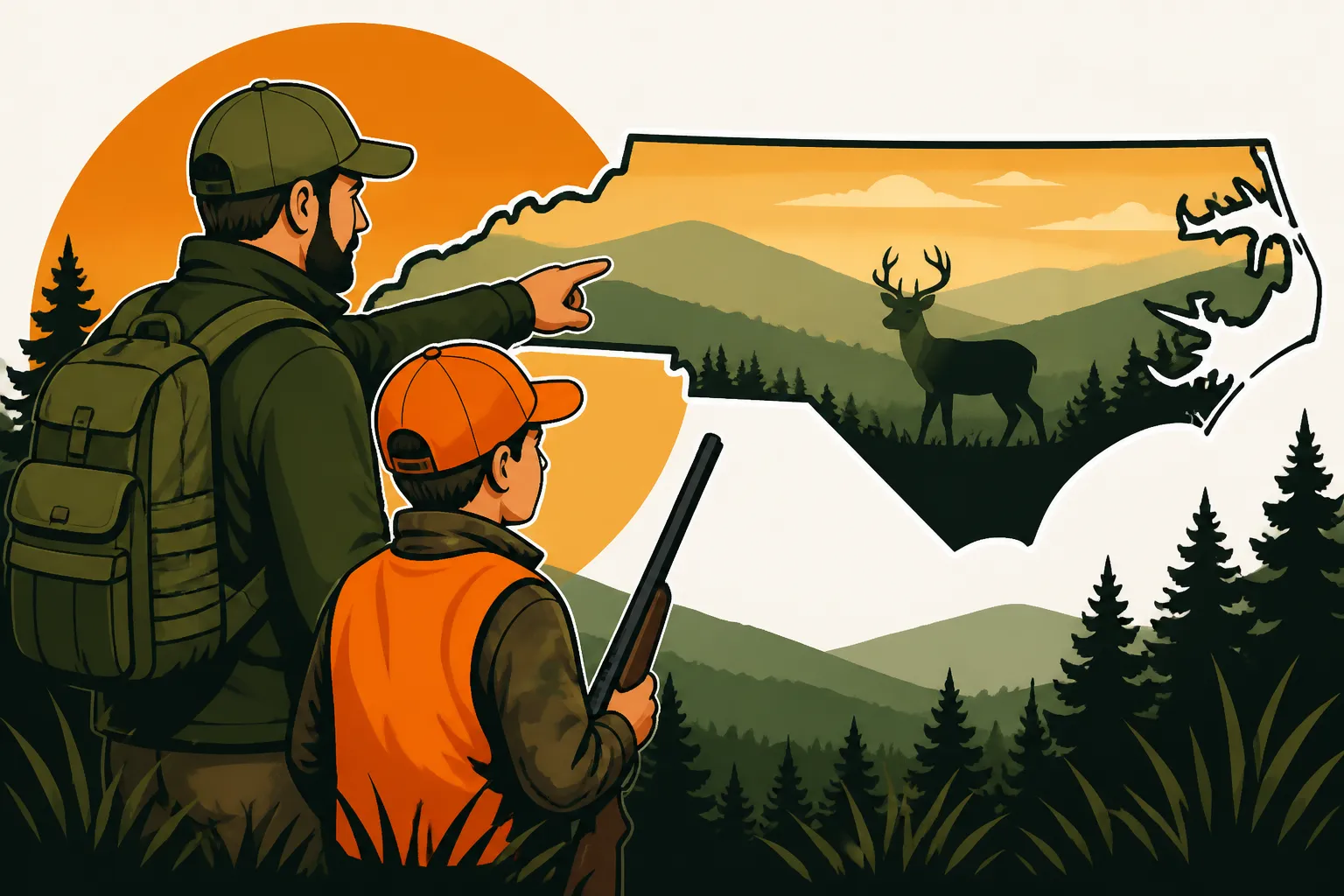
"Within sight and hearing" implies an immediate ability to communicate, observe, and intervene if necessary. Imagine you're still-hunting through a section of the Nantahala Forest. Your young hunter should be right beside you, or just a few steps behind, close enough that you can whisper instructions, point out tracks, or react instantly if they need help or make a mistake. This also means you need to be able to physically reach them quickly in case of an emergency or a missed shot needing tracking. This rule ensures that every critical decision, from target identification to shot placement, is made under the mentor's direct guidance. It's about being actively engaged, not just vaguely aware.
Ensuring Hunter Education Compliance and Safety
While the Apprentice Hunter Permit allows a youth to hunt before completing hunter education, it doesn't mean safety is optional. Quite the opposite! The mentor is fully responsible for ensuring the young hunter understands and follows all safety rules, especially concerning firearms or archery equipment. This means you’re essentially delivering that hunter education in real-time, in the field.
Before you even step foot out the door, take the time to go over the basic rules: always point the muzzle in a safe direction, treat every firearm as if it's loaded, be sure of your target and what's beyond it, and keep your finger off the trigger until ready to shoot. These aren't just slogans; they are life-saving principles. During the hunt, constantly reinforce these habits. When climbing into a treestand, demonstrate and enforce proper safety harness use. When handling a firearm, ensure proper muzzle control. You, the mentor, are the frontline instructor, and your actions will speak volumes. This direct, hands-on teaching of safe practices is arguably one of the most vital aspects of the entire mentored hunting program. It's a fantastic way to teach them about North Carolina Hunter Education Requirements in a practical, hands-on way.
Instilling Ethical Hunting and Wildlife Stewardship
Beyond the legalities and safety protocols, a mentor's most profound responsibility is to instill a deep sense of ethics and respect for wildlife and the land. Hunting is a privilege, not a right, and it comes with inherent responsibilities. This means teaching about fair chase, proper shot placement for a quick, humane kill, and diligent efforts to recover any downed game. It's about knowing and adhering to bag limits, understanding season dates, and respecting private property boundaries, even if you're on public land.
Take the opportunity to discuss why we hunt, the role hunters play in conservation, and how our actions impact wildlife populations. When you're scouting with a tool like GoHunt, talk about reading aerial photos for habitat analysis or understanding animal movements, rather than just finding a spot to shoot. Show them how to identify different species, understand their habits, and appreciate the ecosystem. Teach them the importance of proper game care after a successful harvest, from field dressing to preparing the meat. These lessons transform a simple outing into a comprehensive educational experience that goes far beyond just taking an animal. It’s about cultivating responsible, conservation-minded hunters who will carry on these traditions ethically.
Special Opportunities and General Season Participation
North Carolina understands the importance of encouraging youth participation in hunting, and to that end, they've established specific seasons and rules that make it easier and often more exciting for young hunters to get into the field. These special opportunities are fantastic entry points, but it's also important for youth to understand how they fit into the broader regular hunting seasons.
North Carolina Youth Deer Weekend Opportunities
One of the most anticipated events for many young hunters and their mentors is the North Carolina Youth Deer Weekend. This special weekend is typically held a week or two before the statewide archery season opens, giving youth a unique "first shot" at deer before the general public hits the woods. It's a wonderful way to get them excited and to experience less pressured hunting conditions. During this specific weekend, youth under 18 years of age can legally harvest antlered or antlerless deer, as long as they are accompanied by a properly licensed adult mentor (who meets the same "within sight and hearing" requirement).
This dedicated weekend provides an invaluable low-pressure environment. Imagine taking your child to a deer stand on a crisp September morning, knowing that the woods aren't full of other hunters. It allows for quieter entry and exit, more time for instruction, and a more relaxed overall experience. For those looking for prime opportunities, many public game lands will often see less pressure this weekend, and private landowners are often keen to support youth participation. This early season also introduces young hunters to warmer weather hunting, which is a good experience to have. Just remember to check the current year's regulations for the exact dates, as they can shift slightly from year to year.
North Carolina Youth Turkey Weekend Rules and Limits
Similar to deer hunting, North Carolina also offers a special North Carolina Youth Turkey Weekend Rules. This exclusive period for young hunters (under 18) usually precedes the statewide turkey opener in spring. It provides an excellent chance to call in a gobbler and experience the thrill of turkey hunting without the added pressure of a full adult season. During this weekend, youth are permitted to harvest one turkey, which counts toward the statewide season bag limit.
This focused youth season is a fantastic way to introduce the nuances of turkey hunting. From mastering various turkey calls to understanding decoy placement and setting up against a good tree, there's a lot to learn. Having a dedicated weekend allows mentors to focus solely on the youth's experience, without competing for birds or spots with other hunters. It's also an excellent time to teach patience and the importance of identifying your target clearly before taking a shot, especially with a wary gobbler. Remember that the statewide turkey bag limit is two birds per season, and one of those can be taken during this youth-only weekend. Always ensure your youth hunter is aware of North Carolina Turkey Season Closing Date and the total bag limits.
Youth Participation in Regular Hunting Seasons
While the special youth weekends are fantastic, youth hunters are absolutely welcome and encouraged to participate during the regular hunting seasons as well, provided they continue to meet the direct supervision requirements. This means if you're planning a hunt during the general North Carolina Deer Season Structure Explained, your apprentice hunter can join you, as long as you're a licensed adult over 18 and you maintain that "within sight and hearing" proximity.
This flexibility allows families to hunt together throughout the entire season, not just on designated youth days. It’s important to remember that all other season rules, bag limits, and game zone regulations apply during these general season hunts. For instance, if you're in one of the Eastern Zones and it's gun season, the youth can hunt with a firearm under your supervision. This consistent participation helps reinforce everything they've learned and builds their confidence over time. It’s a great way to experience different weather conditions, animal behaviors, and hunting strategies, whether it's an early archery hunt or a late-season sit during the muzzleloader period. Don't forget, if a youth successfully harvests a deer, it still needs to be reported according to North Carolina Deer Reporting Requirements, which is another great lesson in hunter responsibility.
Prioritizing Safety in the Field
Safety isn't just a suggestion when you're hunting; it's the absolute bedrock of responsible hunting, especially when you're bringing new, young hunters into the fold. As a mentor, your primary responsibility is to ensure every outing is as safe as possible. This means more than just following the letter of the law; it means creating a culture of safety through constant awareness, clear instruction, and diligent preparation.
Crucial Firearms and Archery Safety Practices
Whether your young hunter is using a rifle, shotgun, or a crossbow, the fundamentals of safety remain paramount. We preach the four cardinal rules of firearm safety for a reason:
- Treat every firearm as if it's loaded. This mindset prevents accidental discharges.
- Always point the muzzle in a safe direction. Never let it cover anything you're not willing to destroy.
- Be sure of your target and what's beyond it. This is critical to prevent shooting non-game animals or, worse, another person.
- Keep your finger off the trigger until your sights are on the target and you've decided to shoot. This prevents premature shots.
For archery, the safety rules shift slightly but are no less important. Always ensure the bow is drawn and released only when pointed in a safe direction, with a clear backstop. Never dry fire a compound bow, as it can cause serious damage to the bow and potential injury. When using a crossbow, treat it with the same respect as a firearm, keeping your finger off the trigger and ensuring the bolt is properly seated. Emphasize how to safely carry and transport equipment in the field, especially when traversing rough terrain or crossing obstacles. The mentor's constant reinforcement and leading by example are the most effective safety lessons.
North Carolina Blaze Orange Requirements and Visibility
Visibility is a non-negotiable safety element when hunting in North Carolina, especially during gun seasons. North Carolina Blaze Orange Requirements are in place to ensure hunters are seen by other hunters, drastically reducing the risk of accidental shootings. For youth hunters and their mentors, adhering to these rules is crucial.
During gun seasons for deer, bear, and feral hogs, all hunters must wear hunter orange visible from all sides. The requirement is typically an outer garment (like a vest or hat) of solid hunter orange or camouflage with at least 50% hunter orange, visible from 360 degrees. The exact acreage of orange required can sometimes vary, so always check the latest regulations. Even if you're hunting in an archery-only season, where orange isn't legally mandated, it's often a wise choice to wear a hat or a small amount of orange, especially if you know other hunters might be in the area. When you're in the woods, especially on public land like the Uwharrie National Forest, you want to stand out to other people, not blend in with the environment for them. Using a tool like GoHunt to scout and understand hunting pressure can help you pick areas where visibility might be even more critical. Teach your young hunter the "rules of orange" – why it's important, and how it protects them and others in the field.
Planning for Emergencies and Field Preparedness
Beyond the immediate safety rules, a good mentor is always prepared for the unexpected. Hunting takes you into wild places, and sometimes things go wrong. Before heading out, especially to more remote areas like Pisgah National Forest, always have a plan.
This includes carrying a well-stocked first-aid kit, suitable for everything from minor cuts and blisters to more serious injuries. Ensure you have communication devices – a fully charged cell phone (though service can be spotty in many hunting areas), and perhaps a satellite messenger or a two-way radio if you're hunting with a group or in a truly remote location. Let someone know where you're going and when you expect to return. Pack enough water, snacks, and extra layers of clothing for unexpected weather changes. Teach your young hunter how to navigate using a map and compass, or a GPS app on a phone, just in case you get separated. Show them how to signal for help. Understanding how to handle an injured animal responsibly, or how to react if you encounter dangerous wildlife, are also crucial lessons. Being prepared gives you peace of mind and, more importantly, ensures you can handle challenges effectively, making the experience positive even when unforeseen circumstances arise.
Disclaimer
Please remember that hunting regulations can change. Always consult the official North Carolina Wildlife Resources Commission (NCWRC) website or the current year's North Carolina Inland Fishing, Hunting and Trapping Regulations Digest for the most up-to-date and complete information before heading afield. This guide is intended for informational purposes only and should not be considered legal advice.