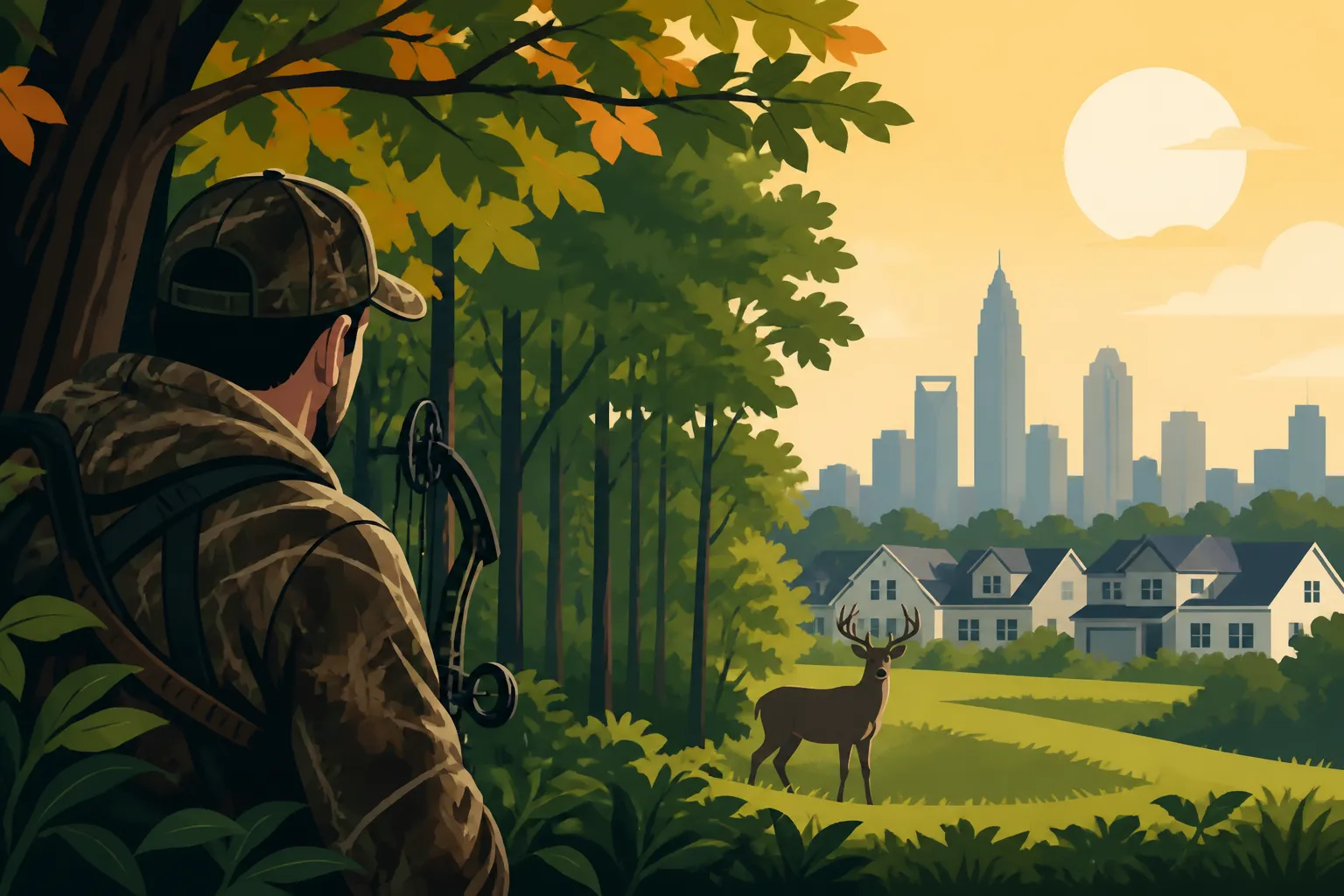
Hunting Small Woodlots Near Suburban Charlotte
Finding a prime hunting spot in North Carolina, especially when you live near a bustling metropolitan area like Charlotte, often feels like searching for a needle in a haystack. Many of us dream of expansive national forests or private land leases, but the reality is that time and travel constraints can make those options impractical. However, don't despair! There's a hidden world of opportunity right under our noses: the small, overlooked woodlots nestled in and around suburban Charlotte. This guide is all about uncovering the potential of these often-ignored pockets of habitat and giving you the realistic strategies to successfully hunt them.
The Unique Challenges and Opportunities of Suburban Woodlots
Hunting close to home, in the urban fringe of places like Matthews, Mint Hill, or even Huntersville, presents a distinct set of hurdles that you just don't encounter in vast wilderness areas. But with those challenges come some surprising advantages if you know how to adapt your approach. It's not about replicating a deep-woods hunt; it's about playing an entirely different game.
Understanding Deer Behavior in Fragmented Habitat
Deer are incredibly adaptable creatures, and the whitetails living near suburban Charlotte are often more street-smart than their backcountry cousins. They've learned to navigate fragmented landscapes, using even the smallest patches of woods, overgrown creek bottoms, or thick fencerows as travel corridors and bedding areas. What looks like an insignificant strip of trees next to a housing development to us might be a critical safe haven for deer. Their patterns are often highly nocturnal, especially near heavy human activity, meaning they'll move more at dawn, dusk, and under the cover of darkness. They quickly learn where people are and where they aren't, and they'll gravitate towards those pockets of dense cover that offer security. Think about how deer will use a small, brushy creek drainage that runs between two subdivisions – it might seem too small, but it's exactly the kind of hidden highway they rely on.
Navigating Public Perception and Safety Zones
One of the biggest hurdles in suburban hunting isn't necessarily finding the deer, but managing the human element. You're operating in an environment where non-hunters might be just around the corner, and their perception of hunting can range from indifferent to openly hostile. This means being meticulously discreet and hyper-aware of your surroundings. Safety zones around residences and roads are not just legal requirements; they're ethical imperatives. In North Carolina, you cannot discharge a firearm within 150 yards of an occupied dwelling without permission. Archery hunting often has more lenient setbacks, making it ideal for these smaller parcels. Before you even step foot in a potential spot, you need to understand local ordinances, which can vary wildly between Mecklenburg County and its neighbors like Union County. A quick call to the local sheriff's department or town hall can save you a lot of headaches. Always assume someone is watching, and conduct yourself with the utmost professionalism and respect.
Finding Access on Smaller Private Tracts
Unlike large game lands or national forests, most small woodlots near Charlotte are privately owned. This means you're going to have to do some legwork to gain access. The art of knocking on doors is alive and well, but it takes patience and a good approach. Start by identifying promising parcels using mapping tools like GoHunt or even Google Earth. Look for those unkempt areas, creek bottoms, or wood lines behind properties that seem less manicured. When you approach a landowner, be polite, well-groomed, and clearly state your intentions. Offer to help with chores, clear brush, or even assist with nuisance deer control if they're experiencing damage. Many landowners, especially those who don't hunt themselves, are often receptive to someone who can help manage deer populations, especially if it means fewer deer eating their landscaping or potential vehicle collisions. Always ask about their specific concerns and make it clear you prioritize safety and respect for their property. Remember, securing permission is a privilege, not a right.
Strategic Approaches for Maximizing Success
Once you've gained access to a promising suburban woodlot, your hunting strategy needs to be finely tuned to the unique dynamics of these smaller, often pressured areas. It's about being surgical, stealthy, and understanding how deer use every inch of available cover.
Scouting Smart and Minimally Invasive Tactics
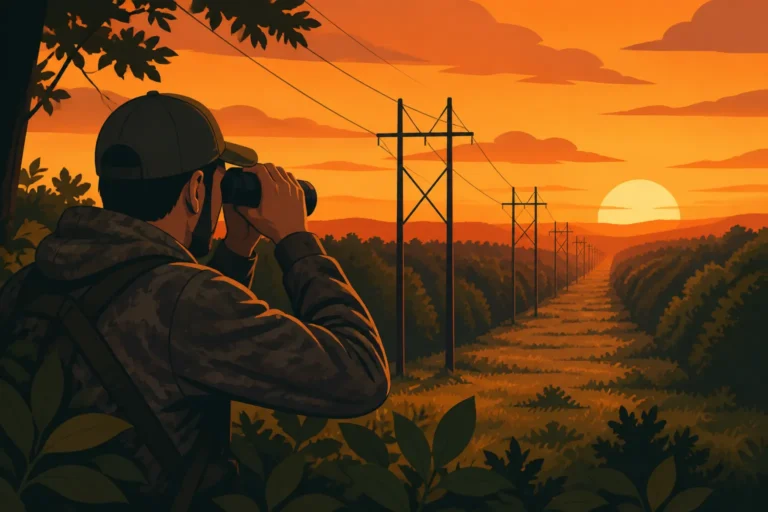
Traditional scouting methods, like stomping through the woods, can quickly blow out a small woodlot. Here, minimal intrusion is key. Use high-quality aerial photos, perhaps through a platform like GoHunt, to identify pinch points, funnels, and dense bedding areas. Look for subtle signs like tracks along field edges, faint trails through thickets, or browse lines. When you do enter the woods to scout, do it at midday when deer are typically bedded, move slowly, and avoid leaving strong scent trails.
Trail cameras can be incredibly useful, but they need to be placed discreetly and in areas where human intrusion is minimal. Think about hidden creek crossings or the backside of a brush pile. Thermal imaging can be an invaluable tool for scouting at night (where legal for scouting, not hunting) to understand deer movement patterns without disturbing them during daylight hours. The goal is to gather information without alerting the deer that they're being hunted. Learning to read aerial photos for Piedmont deer can give you a massive advantage before you even set foot on the property, showing you where bucks might cruise or does might bed down.
Stand Placement and Concealment
In small woodlots, every detail of your stand setup matters. You won't have the luxury of vast expanses to hide your silhouette. Ground blinds can be highly effective, especially when brushed in naturally. They allow you to get into position quietly and provide excellent concealment in areas where large trees for treestands might be scarce or too exposed. If you're using a portable treestand, choose one that's lightweight and easy to set up quietly. Focus on trees that offer maximum cover from multiple angles, not just the direction you expect deer to come from. Even in smaller woodlots, understanding how to hang a stand on a Pisgah ridge – applying the principles of prevailing wind, thermals, and deer travel routes – can inform your decision.
Consider the prevailing wind and thermal currents in these confined spaces. Often, suburban areas have more erratic winds due to buildings and clearings, so having multiple stand options for different wind directions is crucial. Your entry and exit routes are paramount; plan them to avoid disturbing bedding areas or alerting deer to your presence. The less impact you make, the more likely deer are to use that woodlot during daylight.
Hunting Pressure and Timing
Deer in suburban areas are constantly under pressure, even if it's not direct hunting pressure. They're used to dogs, joggers, children, and traffic. This makes them incredibly wary. Your best bet for encountering them during legal hunting hours often comes down to timing. Mid-day hunts, when most people are at work or school, can be surprisingly productive. Weekdays, in general, see less human activity than weekends.
Also, don't underestimate the power of inclement weather. A drizzly, cold weekday might keep most people indoors, but deer still need to eat and move. Fresh snow (if you're lucky enough to get it in the Charlotte area) or a heavy fog can provide excellent cover for your movements and mask sound, potentially making deer feel bolder. Understanding how deer react to hunting pressure on North Carolina public land can provide insights into how these suburban deer might react to any human disturbance.
Gear Considerations for Close-Quarters Hunting
Hunting small woodlots near Charlotte isn't about packing for an expedition. It's about efficiency, quietness, and having the right tools for tight spaces and quick recoveries. Every piece of gear should serve a purpose and minimize your footprint.
Weapon Choices for Limited Distances
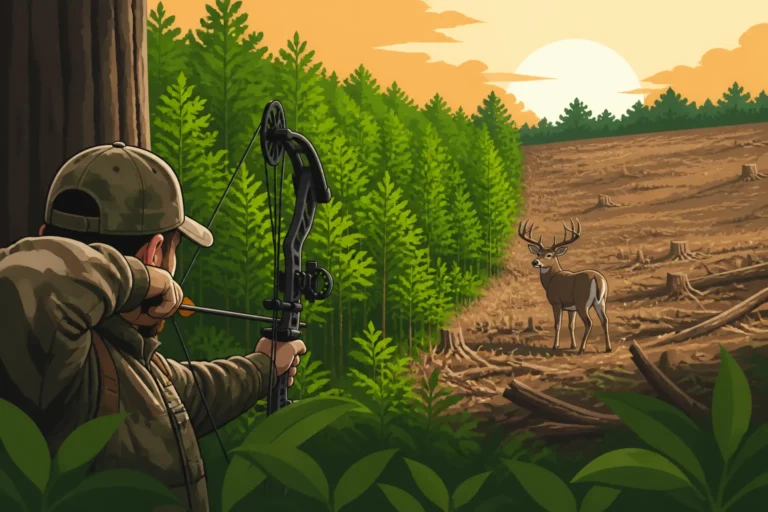
For suburban woodlots, archery is often the hero. Bowhunting North Carolina's statewide archery season allows for quiet, precise shots that minimize disturbance and offer excellent penetration at the close ranges common in these areas. Crossbow rules during North Carolina archery season also provide a fantastic option for those who prefer them, offering accuracy and ease of use in a compact package. The limited range of archery equipment makes it inherently safer in developed areas.
Table: Weapon Comparison for Suburban Woodlots
| Weapon Type | Pros | Cons | Ideal Scenario |
|---|---|---|---|
| Compound Bow | Quiet, precise, minimal sound disturbance, excellent for close range. | Requires practice and skill, shorter effective range than firearms. | Thick cover, residential proximity, quiet hunting. |
| Crossbow | Easier to master than a compound bow, very accurate, good for limited mobility. | Still has limited range, slightly louder than a compound bow. | Beginners, hunters with physical limitations, tight shooting lanes. |
| Shotgun (Slugs) | High knockdown power, relatively short effective range compared to rifles. | Loud discharge, limited to specific areas for safety and local ordinances. | Larger tracts further from dwellings, where firearm discharge is permitted. |
| Pistol (Hunting) | Extremely compact, good for very close range. | Very limited effective range, less forgiving than other options, loud. | Self-defense, extremely close quarters, where legal and safe. |
While a rifle might be your go-to in wide-open country, for these tight woodlots, a loud rifle shot can send deer running for miles and alarm every neighbor. If rifle hunting is permitted and safe, consider a straight-wall cartridge or a smaller caliber with reduced recoil. However, the best rifle caliber for North Carolina deer can still be too much for smaller, suburban parcels. For many, a bow or crossbow is the most pragmatic and ethical choice.
Essential Gear for Quick, Quiet Hunts
Your gear setup should be streamlined for quick in-and-out missions. Leave the massive pack and rattling antlers at home. Focus on portability and stealth. A small, lightweight portable stand or a comfortable ground blind is paramount. Think about climbing sticks for rough bark if you're using a hang-on stand, or a comfortable stool if you're going to use a ground blind.
Scent control gear for humid coastal hunts might seem like overkill for inland Charlotte, but the principle of minimizing human odor is critical everywhere. Deer in these pressured areas are extremely sensitive to foreign scents. Invest in good base layers, a quiet outer layer, and scent-eliminating sprays or a quality carbon suit. A good headlamp for walking in and out in the dark is essential, as is a reliable GPS unit or phone app like GoHunt to navigate property lines and your stand locations precisely.
Ethical Recovery and Game Handling
Making a quick, ethical shot is always important, but it's even more critical in suburban settings. You don't want a wounded deer running through someone's backyard or crossing a busy road. Practice regularly to ensure you're confident in your shot placement at realistic woodlot ranges.
Once the shot is made, a swift and efficient recovery is key. Having a good blood trailing after dark in North Carolina strategy is crucial, as you might need to recover your animal under cover of night. Discretion is also paramount during field dressing. If possible, consider the gutless method to minimize visible evidence and mess, then remove the carcass from the property quickly and cleanly. Having good coolers and game bags for early archery kills is vital, especially if you're dealing with warmer temperatures during the early season. A deer sled or cart can be invaluable for quietly extracting a deer without making a scene. Always have a plan for how you will transport your harvested deer from the property to your vehicle without drawing undue attention from neighbors.
Disclaimer
Please remember that hunting regulations, local ordinances, and landowner permissions can change. Always verify the most current laws with the North Carolina Wildlife Resources Commission and local authorities before heading afield. Safety should always be your top priority.