Hunting the North Carolina Youth Deer Weekend
Trying to introduce young hunters to deer season can feel overwhelming, especially when you're navigating specific regulations and trying to make it a truly positive experience. It’s easy to get caught up in the details and forget the most important part: fostering a love for the outdoors in the next generation. This guide is here to walk you through everything you need to know about making the most of the North Carolina Youth Deer Weekend, from understanding the rules to setting up for success and creating lasting memories.
Understanding the North Carolina Youth Deer Weekend Rules
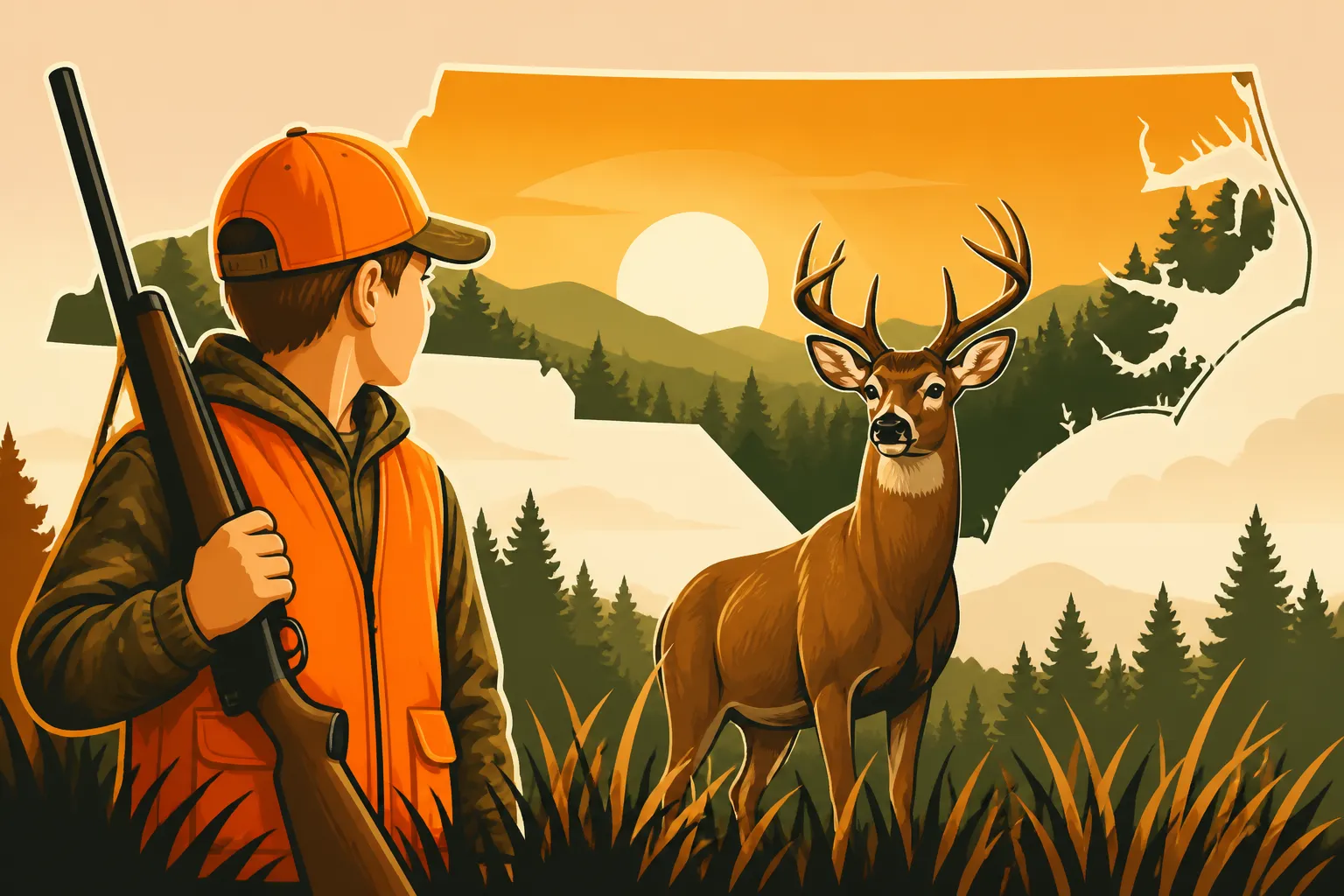
North Carolina's Youth Deer Weekend is a fantastic opportunity designed specifically to get young hunters afield with a mentor before the general gun season opens for adults. It’s a dedicated time to focus on education, safety, and the pure joy of the hunt without the added pressure of crowded public lands. Missing out on the specifics can lead to frustration or, worse, rule violations, so it's crucial to be well-informed.
Eligibility and License Requirements
First things first, let's talk about who can actually participate and what paperwork you'll need. The North Carolina Youth Deer Weekend is open to youth under the age of 18. This isn't just a suggestion; it's a hard and fast rule set by the North Carolina Wildlife Resources Commission (NCWRC). For any young hunter taking part, they must possess a valid hunting license. The good news is that North Carolina offers several affordable or even free options for youth, particularly the Lifetime Sportsman or Lifetime Hunting licenses purchased before age 16. Even if they don't have a lifetime license, a basic youth hunting license is readily available.
Another crucial aspect is the Mentored Youth Hunting License. This specific license allows young hunters under 16 to hunt without first completing a hunter education course, provided they are accompanied by a properly licensed adult who is at least 18 years old and remains within arm's reach. This adult, or mentor, must also hold a valid North Carolina hunting license. This program is truly a game-changer for getting kids into the woods quickly and safely. It acknowledges that the best way to learn is often hands-on, with an experienced guide right there beside them. Remember, regardless of the license type, the youth is the one pulling the trigger, not the mentor, so ensure they understand their responsibilities. If you have questions about specific license types, the NCWRC website and its customer service line are invaluable resources.
Season Dates and Bag Limits
The Youth Deer Weekend typically takes place on the Saturday and Sunday immediately preceding the opening day of the Eastern Deer Season. This means it often falls in late September, providing a fantastic early opportunity. It's vital to check the current year's North Carolina Youth Turkey Weekend Rules and hunting regulations digest for the exact dates, as they can shift slightly from year to year. These dates are usually announced well in advance, so you have plenty of time to plan your outing.
During this special weekend, youth hunters are generally permitted to harvest antlered or antlerless deer, with specific bag limits applying based on the state's deer management zones. For instance, in many zones, youth hunters can harvest one antlered deer and one antlerless deer per day, but these can count towards the overall statewide season limit. It's not a free-for-all; every deer harvested still needs to be reported through the North Carolina deer reporting requirements system, just like an adult harvest. This teaches young hunters proper game management practices from the start.
| Zone Category | Typical Youth Weekend Dates (Approximate) | Daily Bag Limit (Deer) | Season Bag Limit |
|---|---|---|---|
| Eastern Zones | Late September weekend | 1 Antlered, 1 Antlerless | Max 6 total (check local rules) |
| Central Zone | Late September weekend | 1 Antlered, 1 Antlerless | Max 6 total (check local rules) |
| Western Zone | Late September weekend | 1 Antlered, 1 Antlerless | Max 6 total (check local rules) |
Always consult the official NCWRC regulations digest for the most current and precise dates and bag limits, as these can be subject to change.
Mentorship and Safety Guidelines
The core of the Youth Deer Weekend is the mentorship aspect. It's not just about compliance; it's about responsibility and teaching. The accompanying adult isn't merely a supervisor; they are an active teacher. They need to ensure the youth understands firearm safety, shot placement, identifying legal game, and ethical hunting practices. This includes knowing the target and what is beyond it, handling a loaded firearm safely, and always treating every firearm as if it were loaded. North Carolina's blaze orange requirements also apply, so both the youth and the mentor must wear at least 500 square inches of hunter orange visible from all sides. This is non-negotiable for safety.
Mentors should also be prepared for anything, from a missed shot to a successful harvest that requires tracking. Being calm, patient, and knowledgeable is key. This weekend is a prime opportunity to teach everything from proper game care to understanding the deer's behavior. For example, knowing how to interpret deer signs like tracks, rubs, and scrapes can be a fun lesson in itself. This direct, hands-on teaching is invaluable, providing a foundation for a lifetime of safe and responsible hunting.
Scouting and Preparation for Young Hunters
Success in hunting isn't just about pulling a trigger; it's about the planning, the preparation, and the time spent in the woods long before opening day. This is especially true when hunting with a young person, as their attention spans and physical capabilities might be different from an experienced adult hunter. A well-planned outing dramatically increases the chances of a positive experience, regardless of whether a deer is harvested.
Pre-Season Reconnaissance with Kids
One of the most engaging ways to prepare for the Youth Deer Weekend is to involve your young hunter in the pre-season scouting. Take them out to the woods you plan to hunt and walk the trails. Show them how to identify deer sign, like tracks, droppings, and browse lines. Explain what a rub or a scrape means and why deer might use a particular area. This isn't just about finding deer; it's about teaching them to read the landscape. You can look at maps together, perhaps using a tool like the NC Wildlife App to identify property boundaries or potential bedding areas.
For example, if you're hunting a piece of private land near a cornfield, show them how deer will enter and exit the field, looking for those well-worn trails. If you're on public land, focus on areas that might hold less pressure, perhaps a little deeper walk than most hunters are willing to make. Scouting isn't just about looking for deer, it's about learning the land and building anticipation. It helps your young hunter feel invested in the hunt, making them more engaged when the actual season arrives. This pre-season groundwork is also an excellent time to practice quiet movement, identifying different tree species, and listening for sounds of the forest.
Gear Considerations for Youth Hunters
Choosing the right gear for a young hunter is paramount, balancing comfort, safety, and effectiveness. A poorly fitting rifle or uncomfortable clothing can quickly sour an experience. For firearms, consider a smaller caliber that still provides adequate knockdown power for deer but has less recoil, like a .243 or a 6.5 Creedmoor. Ensure the rifle fits them well, perhaps with an adjustable stock or a youth model. The fit of a rifle is crucial for accuracy and building confidence. It’s also wise to use good hearing protection, like earmuffs that fit snugly, to protect their ears during target practice and the actual hunt.
Beyond the firearm, think about layers of clothing. North Carolina weather in late September can be unpredictable, ranging from cool mornings to warm afternoons. Moisture-wicking base layers are a great starting point, followed by insulating layers and a good outer shell if rain is a possibility. Comfortable, waterproof boots are also non-negotiable, especially if you'll be walking through damp fields or creek bottoms. Don’t forget a small backpack for them to carry their own snacks, water, and perhaps a small pair of binoculars. Tools like the GoHunt app can also be incredibly useful for planning routes, marking sign, and navigating in the field, helping young hunters understand technology in the outdoors.
Practicing with Your Young Hunter
There's no substitute for practice, especially with a firearm. Before the Youth Deer Weekend, spend ample time at the shooting range. Start with static targets at close ranges, focusing on proper shooting fundamentals: breathing, trigger control, and sight picture. Gradually increase the distance as their confidence and accuracy improve. Don't push them too hard; keep practice sessions fun and positive. Even if they're using a crossbow, practice is essential to understand the crossbow rules during North Carolina archery season and ensure accurate shot placement.
Beyond shooting, practice other hunting skills. Walk through the woods quietly, identifying animal sounds. Practice glassing with binoculars. Teach them how to use a rangefinder. Simulate shot scenarios in the field without a live round. For instance, have them shoulder the rifle and aim at a stump, explaining where the vitals would be. This helps them visualize the shot and builds good habits. Consider using a hunting simulator if one is available nearby, as it provides a risk-free environment to make shooting decisions. Consistent, calm practice builds muscle memory and confidence, making them more prepared for the real moment of truth.
Tactics for a Successful Youth Deer Hunt
Making the Youth Deer Weekend a memorable and successful experience for your young hunter goes beyond just following rules and having the right gear. It involves smart hunting tactics tailored to their age and attention span, ensuring they stay engaged and learn valuable lessons along the way. The goal isn't just a deer; it's a positive introduction to the hunting lifestyle.
Choosing the Right Setup
When hunting with a youth, your setup is critical. You want something comfortable, safe, and that offers a good chance of seeing deer without demanding excessive patience. Ground blinds are often an excellent choice, especially on private land or less pressured public areas. They offer concealment, warmth, and the ability for a young hunter to move a bit more without being instantly detected. You can even brush in a blind on a field edge ahead of time to make it blend in perfectly. A ground blind allows for quiet conversation, snack breaks, and even a quick stretch without compromising the hunt. They are far more forgiving than a treestand for a squirmy youngster.
If a treestand is your only option or preferred method, choose a two-person stand that allows the mentor to sit right beside the youth, offering direct guidance and safety. Ensure it's sturdy, secure, and that you both use full-body safety harnesses at all times. Look for areas with high deer traffic but relatively close shot opportunities. A funnel between two pocosins or a well-used trail along a logging road can be ideal. The key is reducing the variables and maximizing comfort and safety, leading to a much better experience for both of you.
Keeping Kids Engaged During the Hunt
Let's be honest: sitting still for hours can be tough for anyone, especially a child. Keeping them engaged is crucial to a positive experience. Make it an educational adventure. Point out different birds, squirrels, or other critters you see. Talk about tree identification, or the different sounds of the forest. Bring quiet snacks and water. Some mentors even bring a small, quiet handheld game or a book for downtime, though this depends on the child and their ability to quickly re-engage. Just remember, the goal isn't necessarily silence, but rather controlled quiet.
Use observation time to teach. If you see a squirrel burying an acorn, talk about the food chain. If a blue jay squawks, explain that it might be alerting other animals to your presence. The GoHunt platform's mapping features can be a great way to show them exactly where you are and point out potential deer travel corridors on the map, connecting the digital to the real world. Even if you don't see a deer, these small lessons and conversations build a deeper connection to nature and the hunting experience. Make sure to choose comfortable clothing and boots that will keep them warm and dry, even if it means sacrificing some of the "ultimate camo" for comfort.
After the Shot: Ethical Recovery and Processing
Should your young hunter be successful, this is where another crucial teaching moment begins. Emphasize ethical recovery immediately. If a shot is taken, give the deer time before you begin tracking, especially if it's not a clear, immediate drop. Teach them how to look for blood, tracks, and broken vegetation. This process can be slow and meticulous, but it instills patience and responsibility. It’s also an important step in North Carolina deer reporting requirements.
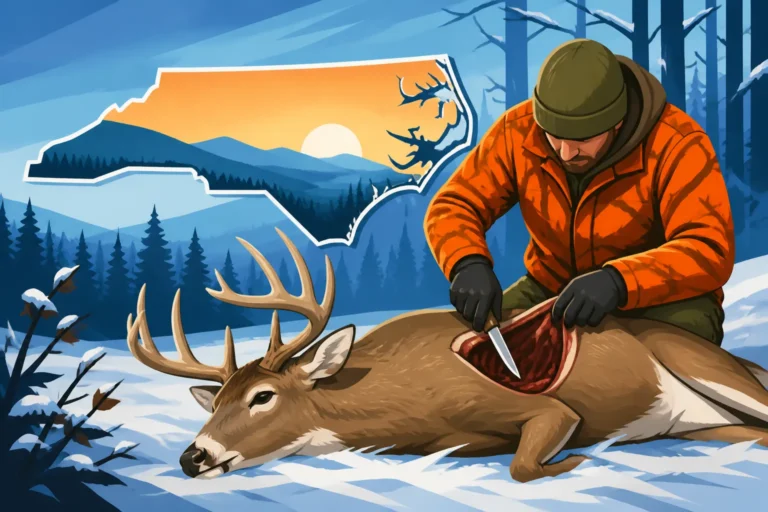
Once the deer is recovered, involve them in the field dressing process to the extent they are comfortable. Explain why it's done and how it helps preserve the meat. Even if they only hold a flashlight or hand you a knife, it's part of the process. Talk about the anatomy and the importance of a clean kill. Afterward, discuss the responsibility of taking an animal's life and the respect due to the animal. This hands-on experience, coupled with thoughtful discussion, reinforces the full cycle of the hunt, teaching them to honor the animal and the harvest. For instance, showing them how to quickly cool the meat can be vital, especially during an early season hunt when temperatures might still be warm.
Making Memories Beyond the Harvest
While harvesting a deer is certainly exciting, the true success of a Youth Deer Weekend lies in the memories created and the lessons learned. It’s about more than just filling a tag; it’s about building character, fostering a connection to nature, and strengthening family bonds.
Focusing on the Experience, Not Just the Kill
It’s easy to get caught up in the pressure of "getting one," but for a youth hunt, this mindset can be detrimental. Emphasize from the outset that the goal is to enjoy the outdoors, learn, and spend quality time together. Whether a deer is harvested or not, every moment spent in the woods is a win. Talk about the patience required, the beauty of a sunrise over the longleaf pine savanna, or the thrill of hearing a distant gobble during the early morning hours.
Celebrate the small victories: spotting a squirrel, hearing an owl, identifying a new bird. Share stories of your own hunts, both successful and unsuccessful, and the lessons you learned. A missed shot isn't a failure; it's an opportunity to learn about shot placement on a North Carolina black bear (even if you're deer hunting, it applies!) or practice breathing techniques. This approach helps reduce pressure on the young hunter, allowing them to relax and truly absorb the experience, which is far more valuable than any antler.
Documenting the Adventure
Even without a harvest, there are countless ways to document your Youth Deer Weekend adventure. Take photos of your young hunter in their hunting gear, enjoying a snack in the blind, or just admiring the scenery. Encourage them to keep a simple hunting journal, jotting down what they saw, what they heard, and how they felt. This not only preserves the memories but also helps them develop observational skills and a deeper appreciation for the details of their time afield.
You can also collect natural treasures – a unique feather, an interesting leaf, or a shed antler if you're lucky enough to find one from a previous season. These mementos serve as tangible reminders of their time in the woods. Later, you can revisit these photos and journals, reliving the experience and reinforcing the positive lessons learned. These shared experiences, whether successful in terms of game or not, are the true trophies of the Youth Deer Weekend, forging a lifelong bond with the outdoors and with each other.
Disclaimer
Please remember that hunting regulations, season dates, and license requirements in North Carolina can change. Always consult the most current North Carolina Wildlife Resources Commission (NCWRC) hunting regulations digest before heading afield to ensure you are fully compliant with all state laws. This guide is for informational purposes only and should not be considered a substitute for official regulations.