Do You Need Written Permission in North Carolina?
Navigating hunting regulations can feel like a maze, especially when it comes to accessing private land. Many hunters find themselves scratching their heads, wondering if a verbal "sure, go ahead" from a landowner is enough, or if they truly need a signed document to stay on the right side of North Carolina law. This guide is here to untangle the specifics of permission, helping you understand when written consent is crucial, when it's just highly recommended, and how to build strong relationships for lasting access.
Understanding North Carolina's Permission Laws
Let's dive right into the core of the matter: Do you legally need written permission to hunt private land in North Carolina? The straightforward answer is, often, no, but it's a huge "but." North Carolina law generally allows hunting on private land with oral permission, as long as the land is not properly "posted" against trespassing. This can be a huge point of confusion and frustration for hunters, as the absence of a sign doesn't automatically mean open season. Just because you don't see a "No Trespassing" sign doesn't mean you can assume implied permission.
The Nuance of "Posted" Land
North Carolina has specific requirements for what constitutes "posted" land. It's not just a random sign slapped on a tree. For land to be legally posted against trespassing, including hunting, it generally needs to have signs or markings that meet certain criteria. This could be clearly legible signs, prominently displayed, and spaced at specific intervals. The intent is to make it abundantly clear to any reasonable person that entry is forbidden without permission. If land is properly posted, then any entry without permission, oral or written, is trespassing. However, many landowners don't go through the effort or expense of properly posting every boundary, which is where the oral permission aspect often comes into play. You can learn more about the specifics of these rules in North Carolina Posted Land Rules.
Why Verbal Permission Can Be Risky
Even when not legally mandated, relying solely on verbal permission can be a precarious position for a hunter. Imagine this scenario: You've got a handshake agreement with old Mr. Johnson down the road. He said you could hunt his back forty, no problem. You're out there on opening day, only to have his son, who just inherited the property, come tearing up on an ATV, furious that you're on his land. Mr. Johnson may have forgotten to mention the agreement, or perhaps his memory isn't what it used to be. Suddenly, you're in a heated confrontation, with no tangible proof of permission. Or maybe Mr. Johnson sold the back forty, and the new owner has no idea who you are or what arrangement was in place. These situations are more common than you might think, and they can quickly sour relations and even lead to legal trouble, even if you had the best intentions. This is precisely why the question of needing written permission comes up so often.
The Importance of Written Permission: Best Practice
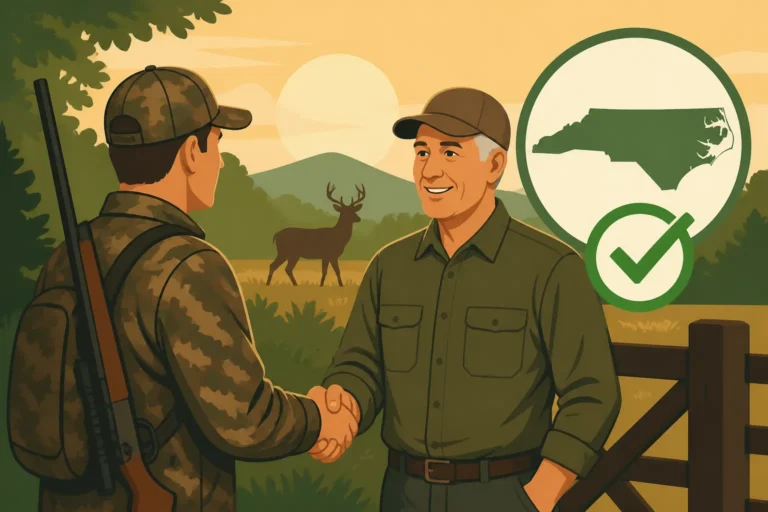
While oral permission might technically be sufficient in many cases, embracing written permission is simply best practice for every North Carolina hunter who values private land access. It eliminates ambiguity, protects both the hunter and the landowner, and demonstrates a level of professionalism and respect that can truly set you apart.
Protecting Yourself and the Landowner
A written permission slip, signed by the landowner, acts as a clear, undeniable record of your agreement. It can specify the dates you're allowed to hunt, the species you're pursuing, the areas of the property that are off-limits, and even details like parking locations or gate access. This level of clarity protects you from any misunderstandings or memory lapses on the landowner's part. It also protects the landowner by setting clear boundaries and showing that they've actively granted permission, which can be important for liability concerns or in case of any incidents. It's a sign of a responsible hunter.
Consider a small landowner who might not want you hunting near their house or barn, but is happy for you to pursue deer in the back woods. A written agreement can clearly delineate these zones, perhaps with a simple map attachment. This precision is difficult to achieve and remember with just a spoken conversation, particularly if you're dealing with multiple hunters or a large property.
Building Long-Term Trust and Relationships
Seeking written permission, even when not strictly required by law, sends a powerful message to landowners: You are serious, respectful, and organized. It shows that you value their property and their peace of mind. This kind of thoughtful approach can transform a one-time hunting opportunity into a lasting relationship, opening doors to future seasons. Landowners are often hesitant to grant access due to fears of property damage, litter, or irresponsible behavior. Presenting a simple, clear written agreement can alleviate many of these anxieties, fostering goodwill and trust.
Think about it from their perspective. They've likely dealt with hunters who've taken advantage, left trash, or simply vanished after the season. When you come prepared with a professional request for written permission, it immediately signals that you're different, that you're someone they can rely on and trust on their property. This level of respect often leads to incredible hunting opportunities for years to come. For more on how to approach these conversations, check out Getting Private Land Permission in North Carolina.
How to Secure Permission and Why It Builds Trust
Obtaining permission, especially written permission, requires a proactive and respectful approach. It's not just about getting a "yes"; it's about establishing a rapport and demonstrating that you're a responsible individual who will treat their land with care.
The Initial Approach: Respect is Key
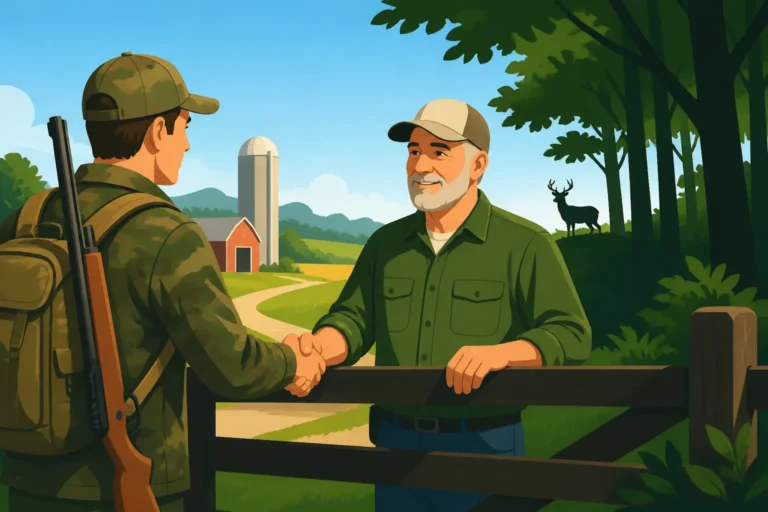
The first step is always to approach the landowner in person, if possible. A face-to-face conversation allows for genuine connection. Always introduce yourself clearly, explain why you're interested in hunting their property (e.g., "I've noticed some great deer sign on the back forty," or "I'm looking for a safe place to take my son deer hunting"), and most importantly, ask for permission. Never assume. Be prepared for a "no" and accept it gracefully; don't push or argue.
Have a simple, pre-printed permission form ready to present. This shows you're prepared and organized. The form doesn't need to be complex – just a few key details:
| Item | Description |
|---|---|
| Landowner Name/Contact | Their full name, phone number, and address. |
| Hunter Name/Contact | Your full name, phone number, and address, plus license number. |
| Property Description | Physical address or clear description of the land. |
| Dates of Permission | Specific start and end dates (e.g., "Deer Season 2024"). |
| Game Species Allowed | Which animals you are permitted to hunt. |
| Specific Conditions | Any off-limits areas, parking instructions, gate rules, etc. |
| Signatures | Spaces for both landowner and hunter signatures and dates. |
When discussing the property, tools like onX Hunt can be incredibly valuable. You can show the landowner a clear aerial map of their property, helping them visualize boundaries and potential hunting spots, and even mark off areas they don't want you to access directly on the map. This visual aid simplifies communication and leaves no room for doubt about where you'll be.
Following Through and Maintaining the Relationship
Once you have written permission, the real work begins: maintaining that trust. Always adhere strictly to the terms of your agreement. If you say you'll hunt deer, don't suddenly start calling coyotes without discussing it first. Leave gates as you found them, pack out all your trash (and maybe a little extra that wasn't yours), and generally be an exemplary guest.
After the season, it’s a wonderful gesture to check back in with the landowner. Offer them some of your harvest, help them with a chore around the farm, or simply send a thank-you card. These small acts of appreciation go a long way in securing future access and strengthening those vital landowner relationships. Platforms like GoHunt offer resources for finding good hunting areas, but remember that securing and maintaining private land access always comes back to personal relationships and respect.
Navigating Special Scenarios and Public Lands
While the focus here is on private land, it's important to touch on other access considerations in North Carolina.
Hunting on Game Lands
North Carolina's extensive Game Lands system provides fantastic public hunting opportunities. However, even on these lands, you typically need specific licenses and permits. You won't need private landowner permission, but you'll need the appropriate North Carolina Game Lands License Requirements in addition to your base hunting license and big game privileges. These areas often have their own specific rules regarding vehicle access, camping, and even stand placement, so always consult the NC Wildlife Resources Commission's regulations for the specific Game Land you plan to visit. Using the NC Wildlife Map Tool can help you identify Game Land boundaries and associated rules.
Corporate Timberlands and Managed Properties
Sometimes, large tracts of private land, like corporate timberlands or large conservation easements, are managed for hunting through leases or permits. In these cases, written permission is almost universally required. These agreements are often formal, involve fees, and come with a detailed list of rules. If you're considering such an opportunity, carefully review all terms and ensure you have a signed agreement before setting foot on the property.
Retrieving Game from Private Land
Another common question arises when an animal you've legally shot on public land or with permission on one private tract crosses onto adjacent private land where you don't have permission. North Carolina law generally states that you must have permission from the landowner to retrieve game from their property. You cannot simply cross the fence without consent, even if you know your deer is just on the other side. This is why it's always a good idea to know your property boundaries and, if possible, have relationships with adjacent landowners as well.
Disclaimer
This article is for general informational purposes only and does not constitute professional advice. Laws, prices and regulations vary by location and change over time. Consult a qualified professional for guidance on your specific situation.